
Egyptian rice koftas (koftet rozz)
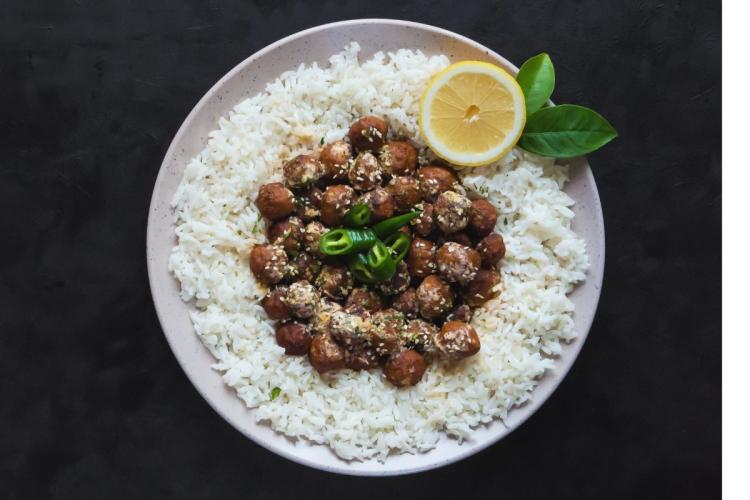
Ground beef worked with crushed rice, onion, and herbs, shaped into small meatballs, fried until golden, then simmered gently in a fresh tomato sauce. Known in Egypt as koftet rozz (rice kofta), this is a staple of everyday Egyptian cooking and a particular favorite during Ramadan, when it's often served with a side of fried rice.
Ingredients
Instructions
In a bowl, combine the garlic, grated onion, ground beef, and egg white. Season with salt, white pepper, cumin, and parsley. Mix thoroughly and mash with a fork until well combined, then work in the crushed rice and mash again.
With dampened hands, shape the mixture into balls about the size of a walnut. Fry in plenty of oil over medium heat until golden on all sides, then lift out with a slotted spoon and drain on paper towels.
In a separate pan, heat the 2 tablespoons of olive oil over medium heat and sauté the onion and garlic for the sauce. Add the chopped tomatoes and let them cook down for about 20 minutes.
Pass the sauce through a food mill into a clay pot or wide saucepan, add the fried meatballs, and simmer gently for 10 minutes.
Serve straight from the clay pot, with fried rice alongside if you like.
Notes
The rice needs to be crushed or ground rather than left whole — a spice grinder or food processor works well if you can't find it pre-ground. Damp hands make shaping the meatballs much easier, since the rice makes the mixture a little sticky. Pushing the sauce through a food mill (rather than just blending it) keeps the tomato skins and seeds out without losing any body in the sauce.
Variations
Ground lamb, or a mix of beef and lamb, is a common substitute for all-beef. A pinch of ground coriander or a chopped fresh chile in the meatball mixture is traditional in some households. For a lighter version, the meatballs can be baked at 400°F for about 20 minutes instead of fried, then finished in the sauce the same way.
Source
Koftet rozz is a mainstay of home cooking in Egypt, where rice is worked directly into ground meat rather than served only as a side — a technique that stretches the meat further while adding texture and helping the meatballs hold together without breadcrumbs. It holds a particular place at the table during Ramadan, when dishes like this one are prepared in larger batches for the evening iftar meal. Serving the meatballs over or alongside a plate of fried rice is the traditional way to round out the dish.