
Wine history started in Europe. No wonder European countries fall under the Old World wine label.
Wine in Europe comes from very old traditions. In ancient and medieval times, wine was part of daily life, of religion and medicine, and of trade; it kept better than many foods and was often a safer drink than untreated water. Wine, beer and other drinks have shaped Europe's history and economy for thousands of years.
Classical, full of historical pride, a wine heaven, maker of elite wines and ordinary ones, Europe is all of these, and it is also brimming with new ideas and new projects.
Old World wines, the foundation
European wines represent all that is traditional in winemaking. Nowhere else does wine reflect so closely the culture of the people who made it and the land where its grapes grew. Many European wines are named after their place of origin, such as Rioja, Chianti or Burgundy, rather than after the grape. European wines tend to follow local tastes more than international trends, and European Union rules on protected designations of origin, such as the French AOC, Italian DOC and Spanish DO systems, closely regulate where wines come from, which grapes can be used and how they are made.
Traditional European wines are often described as more restrained and less fruit-forward than many New World wines, thanks to cooler climates, traditional grape varieties and winemaking methods. Why should European countries change what they have done so well for centuries?
Precisely because of those centuries of experience, some European winemakers find the rules too rigid and want to experiment with other grapes and techniques. Some have gone beyond the regulations and created excellent, innovative wines, such as the "Super Tuscans" of Italy.
Wine and food are closely linked and an important part of French culture. France has the tradition, the diversity of land and the wide range of grape varieties to produce great wines, which is why French wines have long been the model for the world. Discover wine in France.
Wines in Italy are part of everyday meals. Find a short description of the most popular Italian wines, to help you choose one in a restaurant or for an Italian dinner at home.
Wine in Spain is ancient history. Spain is one of Europe's oldest wine-producing countries, yet it is also the source of some of the most modern wines on the European scene, not to mention the homey wines that never make the big catalogs but help make Spanish tapas a memorable experience.
Germany is one of the world's ten largest wine producers, but you wouldn't guess it from supermarket shelves outside German-speaking countries. Germany's wine districts get very busy preparing for the many German wine festivals, which offer great wines and fun.
Wine in Portugal has a history going back to the Phoenicians, Celts and Romans. That long history, its varied geography and wine's central role in the country's culture and economy have made Portugal one of the world's most dynamic and distinctive wine-producing countries.
From its stunning wine regions to its many native grape varieties, Austrian wines offer a unique experience for the palate.
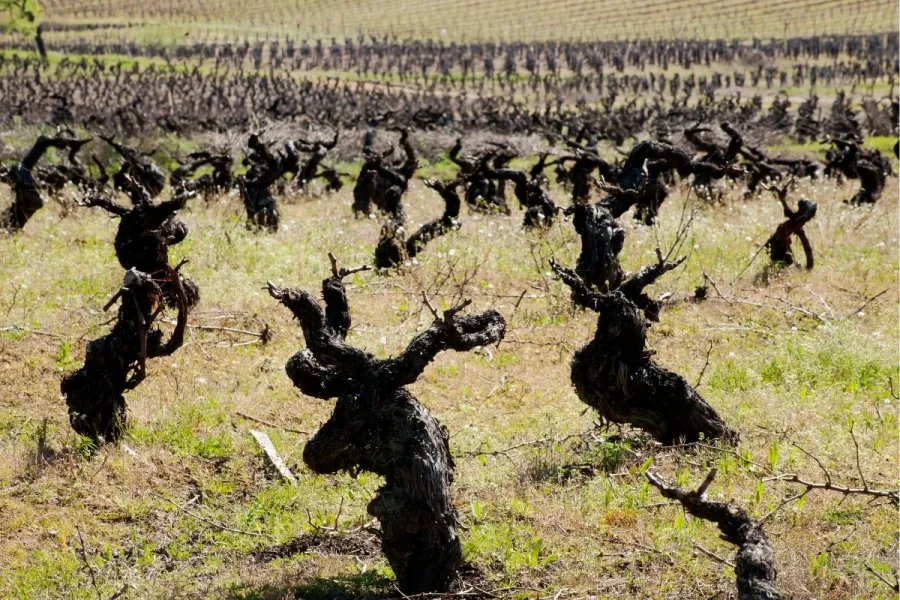
Experience the unique charm of Greek wines, from crisp Assyrtiko to bold Xinomavro, and centuries of winemaking tradition.
While you're in that part of the world, remember that the Black Sea region is close by. It has a long and often turbulent history, and its countries have long experience in winemaking. It is time to discover Black Sea wine. Then you could go on to taste wine in Cyprus.
Explore Georgian wine, the ancient qvevri method, amber (orange) wines, native grapes like Saperavi and Rkatsiteli, and the wine regions of Kakheti and beyond.
Not wine, but beer in Belgium: beer is the drink that calls out in Belgium. Wine is drunk with lunch and dinner too, but beer is often the best match for a Belgian meal. Belgium isn't the only country to favor beer; when you think of Ireland, one of the first things that comes to mind may be Irish beer.
British pubs are where people gather mainly to drink beer and other drinks and pass the time with friends, often over a game of darts or pool.