Turkey or venison? Uncovering the real menu of the first Thanksgiving?
What food was served at the first Thanksgiving.
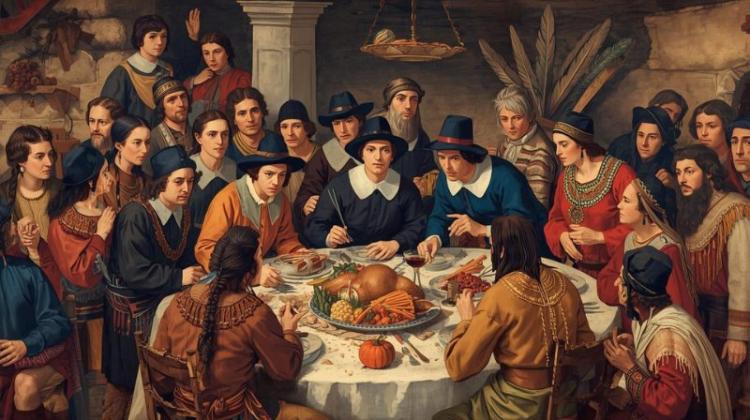
When we close our eyes and picture the first Thanksgiving, our minds often wander to a very specific, painted image. We see a massive, golden-brown turkey at the center of a long table. We imagine fluffy mashed potatoes, mounds of stuffing, sweet cranberry sauce, and perhaps a perfectly crimped pumpkin pie cooling on a windowsill nearby. It is a beautiful image, one that represents comfort, family, and tradition. However, if we were to hop in a time machine and travel back to the autumn of 1621 in Plymouth Colony, the dinner table would look, and smell, vastly different.
The event we celebrate as the "First Thanksgiving" was actually a three-day harvest celebration attended by 53 English colonists and 90 Wampanoag people, including their leader, Massasoit. It wasn't merely a dinner; it was a diplomatic gathering and a celebration of survival after a brutal winter. The menu reflected the landscape of coastal Massachusetts and the agricultural expertise of the Wampanoag people who had helped the colonists survive.
For food lovers and history buffs alike, exploring what was actually served offers a fascinating glimpse into the past. It allows us to strip away the commercial layers of the holiday and look at the ingredients that truly sustained these communities. So, let’s set aside the marshmallows and canned yams for a moment and take a culinary journey back to 1621 to discover the authentic flavors of the first harvest feast.
The Wampanoag contribution: Venison took center stage
If there was one star protein at this historic gathering, it likely wasn't the turkey, it was deer. Historical accounts from the time, specifically a letter written by colonist Edward Winslow, detail that the Wampanoag guests arrived with an incredibly generous contribution: five deer.
Venison was a staple of the Wampanoag diet and a symbol of the region's abundance. In the context of the feast, the arrival of fresh venison would have been a game-changer. It would have been roasted over open fires, likely on a spit, allowing the rich, gamey flavor to develop. The meat would have been smoky, tender, and shared among the crowd of nearly 150 people.
This inclusion of red meat might seem foreign to our modern poultry-focused holiday, but it highlights the cooperative nature of the meal. The Wampanoag weren't just guests; they were major contributors who brought the most substantial portion of the food to the table.
The colonists' fare: A focus on "wild fowl"
While turkey gets all the glory today, the colonists’ contribution to the meat selection was described more broadly as "wild fowl." Governor William Bradford noted that he sent four men on a "fowling" mission to prepare for the celebration.
While wild turkeys were certainly abundant in the area and likely part of the haul, they were not the only birds on the menu. The hunting party likely returned with:
- Ducks
- Geese
- Swans
- Passenger pigeons
The preparation of these birds would have been far more rustic than our modern roasting pans allow. Imagine birds roasted over open flames or boiled in large kettles to create rich stocks and stews. They wouldn't have been stuffed with bread cubes and sage as we know it today. Instead, if they were stuffed, it would likely have been with onions and herbs to flavor the meat from the inside out.
Grains and vegetables: The three sisters
The colonists would not have survived their first year without the agricultural guidance of the Wampanoag, who taught them how to cultivate native crops. Central to this diet were the "Three Sisters"—corn, beans, and squash. These three crops were planted together in a symbiotic method where the corn provided a stalk for the beans to climb, and the squash leaves provided ground cover to retain moisture and suppress weeds.
At the feast, these ingredients would have appeared in humble, hearty forms:
- Corn: Forget the sweet, cake-like cornbread we love today. In 1621, corn was typically dried and pounded into meal to make a porridge or a thick mush. It was a daily staple, serving as the foundation for most meals.
- Beans: Various types of beans would have been stewed for hours with herbs or aromatics, creating a creamy, savory side dish that provided essential protein.
- Squash and Pumpkins: These were not pureed into pies. Instead, they were likely roasted whole in the coals of a fire or boiled. The natural sweetness of the squash would have been a treat, specifically the native pumpkins that grew in the region.
The coastal reality: A seafood extravaganza
One of the biggest omissions from our modern Thanksgiving tables is seafood. Plymouth Colony was, after all, a coastal settlement. The ocean and nearby rivers were teeming with life, and early records make it clear that the colonists relied heavily on the water for survival.
It is highly probable that the feast included a bounty of seafood that would make any modern seafood lover jealous. The table likely featured:
- Clams
- Mussels
- Fish like cod and bass
- Lobster
You can imagine large iron pots filled with steaming shellfish seasoned with the seawater they were cooked in, or fish roasted on wooden planks near the fire. In 1621, lobster was so plentiful in the Massachusetts Bay that it was considered common food, a far cry from the luxury item it is today. Serving a lobster stew or steamed mussels would actually be more historically accurate than serving a green bean casserole!
Nature’s candy: Wild fruits and nuts
When it came to dessert, the options were limited by what could be gathered from the forest. There were no pastry chefs in Plymouth, and certainly no refined sugar. "Sweets" were simply whatever ripe fruit was available.
The colonists and Wampanoag likely grazed on:
- Wild berries (strawberries, raspberries, blueberries)
- Grapes
- Plums
- Dried fruits
Nuts were also a significant part of the diet, providing crucial fats and calories. Walnuts, chestnuts, and hickory nuts were native to the area. These might have been eaten raw or used to add texture to grain dishes. While apples are a staple of modern autumn cooking, they weren't native to North America and hadn't yet been successfully cultivated by the colonists, so apple pie was definitely off the menu.
Busting the myths: What was NOT on the menu
To set the record straight, many of the items we consider non-negotiable for Thanksgiving simply did not exist in 1621 Plymouth, or were impossible to prepare given the available technology.
- Mashed Potatoes: White potatoes originated in South America and hadn't yet become popular in English cooking. They certainly weren't being grown in Plymouth yet.
- Sweet Potatoes: These are a southern crop and wouldn't appear on New England tables for quite some time.
- Cranberry Sauce: While wild cranberries grew in the bogs of Massachusetts, the colonists didn't have the sugar required to stew them into a sweet sauce. They may have been used for tartness, but not as the jelly we know.
- Pumpkin Pie: Without wheat flour for a crust, butter for flakiness, and an oven for baking, pie was impossible.
- Stuffing: As mentioned, bread-based stuffing wasn't on the menu.
Bringing history to your modern table
Understanding the history is one thing, but tasting it is another. If you are looking to shake up your holiday tradition or simply want to pay homage to the true history of the harvest festival, you can incorporate elements of the 1621 feast into your own dinner.
We have curated three distinct menus that echo the spirit and ingredients of that first feast, adapted for modern kitchens. Whether you want a rustic meat-heavy meal, a coastal spread, or a vegetarian celebration, there is a way to honor the past while enjoying a delicious meal.
Menu 1: Forest & field harvest feast
This menu is best for people who love cozy roasts, stews, and that "classic Thanksgiving" vibe, but with a rustic, historical twist. It leans into game, poultry, and earthy vegetables, inspired by the wild fowl hunts and venison that anchored the original table.
- Herb-roasted turkey legs or chicken quarters: Skip the whole bird. Go for rich, juicy dark meat with crispy skin, rubbed simply with sage, thyme, garlic, and oil. This mimics the "we went fowling" description much better than a breast-heavy roast.
- Venison stew with root vegetables: A slow-simmered pot of tender meat, onions, carrots, parsnips, and potatoes. Think of something that could bubble all afternoon near a hearth, filling the home with savory warmth. No venison? Use beef instead.
- Roasted squash & pumpkin wedges: Simply tossed in oil, salt, and herbs, then roasted until caramelized. This is your nod to the pumpkins of 1621—no sugar bomb, just sweet-earthy flavor.
- Skillet cornbread (rustic-style): Aim for a sturdy, golden skillet bread made with plenty of cornmeal and baked in cast iron, rather than a cakey, sweet version. This is a modern take on early corn cakes and mush.
- Stewed beans with herbs: Creamy beans simmered with onion, garlic, and thyme or sage. This echoes both Wampanoag bean dishes and Old World legume stews.
- Baked apples with nuts & honey: Cored apples, stuffed with chopped nuts and a drizzle of honey, then baked until soft. It’s simple, fragrant, and historically minded.
Menu 2: Coastal harvest feast
This menu is perfect for seafood lovers, lighter eaters, or anyone who wants Thanksgiving dinner to feel a little fresher. It leans into what the colonists and Wampanoag actually had in abundance: fish and shellfish.
- Herb-baked white fish (cod, haddock, etc.): Gentle, lemony baked fillets with herbs and garlic. It is simple, clean, and very weeknight-friendly, yet special enough for the holiday.
- Steamed clams in broth (or mussels): A big pot of shellfish steamed with onion, garlic, and stock or wine, served with the briny broth. This might be the closest single dish to what 1621 actually tasted like.
- Shrimp (or lobster) & corn stew: A light, brothy stew with corn, potatoes, and shellfish. It is like a shrimp and corn chowder minus the cream. However, you can enrich it with a splash of milk or cream, or keep it austere to stay closer to early colonial cooking.
- Roasted root vegetables: Carrots, parsnips, turnips, and onion roasted together with oil and herbs. Rustic, sweet, and a perfect match for the seafood.
- Corn cakes on a griddle: Think small, rustic corn pancakes—crispy at the edges and tender inside. These are excellent for sopping up mussel broth or stew.
- Roasted grapes over yogurt: Warm, syrupy fruit spooned over tangy yogurt. Historically inspired by wild fruits, with yogurt serving as the modern, creamy upgrade.
Menu 3: Three sisters harvest table
This menu is ideal for mostly vegetarian or plant-focused holiday tables, or anyone who wants to center Indigenous agriculture traditions. It is inspired by the "Three Sisters" planting system.
- Three sisters stew (corn, beans & squash): A thick, cozy stew packed with squash, beans, and corn, plus onions, garlic, and herbs. It is fully satisfying as a vegetarian main.
- Oven-roasted squash halves: Squash roasted in big, dramatic halves until tender and caramelized, served straight in their skins or scooped and roughly mashed.
- Corn & wild greens sauté: Corn kernels tossed with wilted greens (kale, chard, spinach, or whatever you have) plus onion and garlic. Simple, colorful, and quick.
- Smoky bean & herb mash: Creamy mashed beans with smoked paprika and herbs. It acts like the earthy cousin of mashed potatoes but is higher in protein and fiber.
- Nut & seed "trail mix" bowl: A bowl of toasted nuts, seeds, and dried fruit for grazing, a nod to wild nuts and fruits without getting too fussy.
- Spiced poached pears (or apples): Fruit gently simmered in water with honey or maple, cinnamon, and maybe a little citrus peel. Light, aromatic, and great for making ahead of time.
A legacy of gratitude and survival
The menu of the first Thanksgiving tells a story of adaptation, cooperation, and gratitude for the land. It wasn't about excess or sugary treats; it was about celebrating the fact that the community had food to eat for the winter.
By looking at the specific ingredients, the venison, the shellfish, the corn, we gain a deeper appreciation for the cultural exchange that occurred between the Wampanoag and the colonists. It reminds us that the roots of this holiday are grounded in the sharing of resources and knowledge.
Whether you decide to roast a whole duck, steam a pot of clams, or stick to your family's favorite turkey recipe, knowing the history adds a layer of richness to the meal. This year, perhaps you can add a simple dish of roasted squash or a bowl of succotash to your table as a nod to the 1621 harvest. After all, good food and good company are timeless traditions that span centuries.