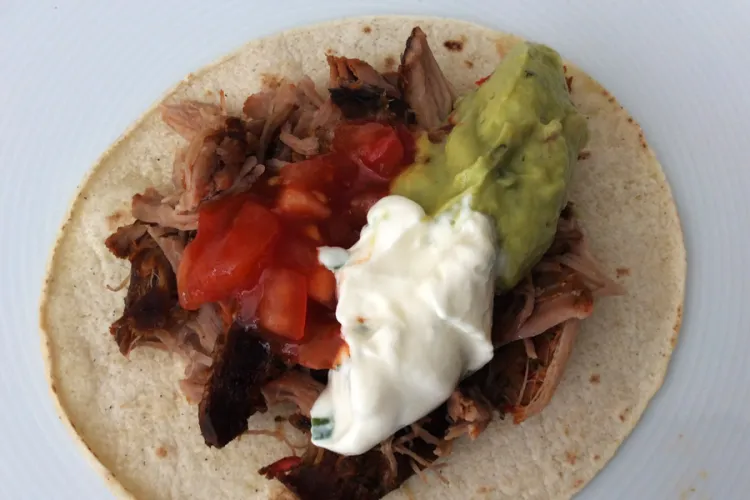
Mexican food has a reputation for being heavy, but that reputation comes mostly from a handful of restaurant favorites. Mexican cooking is varied and regional, and many traditional dishes and cooking methods are full of vegetables, beans and fresh flavors.
Deep-fried dishes such as chimichangas, and tacos or nachos loaded with cheese and sour cream, can be high in fat, sodium and calories, especially in large restaurant portions. But there are many choices that are lighter and just as tasty.
Healthy choices
Salsas made mostly of tomatoes, tomatillos, onions, chilies and cilantro are rich in vitamin C, very low in fat and full of flavor.
Corn tortillas, made from nixtamalized corn, are a whole grain that provides fiber and some calcium. Warm them, or bake tortilla chips instead of frying them.
Beans, a staple across Mexico, provide protein, fiber and folate. Choose whole or refried beans made without lard, and soups such as black bean or lentil soup.
Chilies add flavor without adding fat or salt, and they are rich in vitamin C.
Grilled and stewed dishes, such as grilled fish or chicken, chicken tinga, and vegetable-rich soups such as caldo de pollo or sopa de tortilla, make satisfying meals.
Easy swaps
A burrito or a plate of tacos can be made lighter without losing flavor. Fill it with beans, grilled chicken or fish, peppers and onions; add plenty of salsa, lettuce and avocado; use cheese and sour cream as toppings rather than fillings, or try plain yogurt instead of some of the sour cream; and choose corn or whole-grain tortillas.
Ceviche: enjoy it safely
Ceviche is a traditional part of Mexican coastal cooking: seafood, usually fish or shrimp, marinated in lime or other citrus juice. The acid firms the seafood and turns it opaque, so it looks cooked, but it isn't. Citrus juice does not kill bacteria, viruses or parasites the way heat does.
- Buy seafood from a reputable source and keep it refrigerated, at 40°F or below, at every step. Commercial freezing can kill parasites, but it doesn't kill all harmful bacteria and viruses.
- Children, older adults, pregnant women and anyone with a weakened immune system, liver disease or diabetes should not eat raw-seafood ceviche.
- For a safer version, briefly poach the shrimp or fish until it reaches 145°F, chill it, then toss it with the lime juice and vegetables. It's just as refreshing.
Drinks
Agua fresca, made with fresh fruit, water and a little sugar, is a refreshing choice; go easy on the sugar. Rompope is a rich, eggnog-like drink of milk, sugar, egg yolks and vanilla, often spiked with rum. Make it with a cooked base heated to 160°F, or with pasteurized eggs, as alcohol doesn't reliably kill Salmonella, and keep it refrigerated. It's a sweet, rich treat, best enjoyed in small glasses. If you serve it with rum, offer an alcohol-free version too, and don't serve alcohol to children or pregnant guests.
Mexican food offers plenty of ways to eat well and enjoy every bite.
Sources
- Selecting and serving fresh and frozen seafood safely (US Food and Drug Administration)