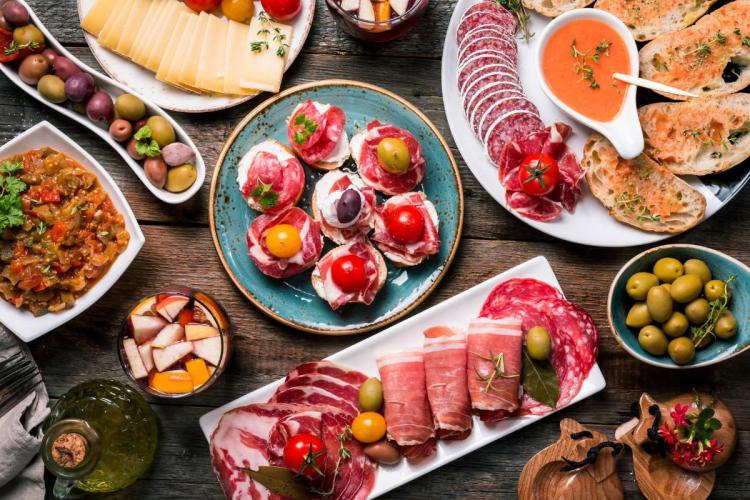
The anatomy of a perfect tapas board
Ratios for cheese, meat, and preserved goods.
Walk into any tapas bars in Madrid or San Sebastián, and you will find locals gathered around small plates of cheese, cured ham, and briny olives, all washed down with glasses of wine or cold beer. This convivial spirit—food meant for sharing, conversation, and lingering—is what makes spanish tapas so beloved around the world. A tapas board brings that same energy to your home table, offering a curated spread of small bites that invite guests to sample, pair, and explore.
This article focuses specifically on the anatomy and ratios of a tapas board: how to balance cheese, meat, and preserved goods so every element shines without overwhelming the others. We are not covering every dish in spanish cuisine—no patatas bravas or hot tapas recipes here—but rather the structural thinking behind a board that feels abundant, beautiful, and endlessly snackable. At World Food and Wine, we believe that understanding these fundamentals helps home cooks recreate the tapas tradition with confidence, whether you are entertaining two or twelve.
What is a tapas board?
A tapas board is a Spanish-inspired spread of small portions arranged for communal eating, typically enjoyed alongside wine, sherry, or beer. Think of it as the spanish version of a charcuterie platter, but with a distinct personality shaped by Spain’s food culture: briny olives, nutty Manchego, paper-thin jamón, and preserved peppers that spark the appetite rather than fill you up. In restaurants and bars across Barcelona, the Basque Country, and beyond, these small plates have been served since the thirteenth century, when tavern keepers in Andalusia would cover glasses of sherry with a slice of bread or cured ham to keep flies away. That practical gesture evolved into an entire tapas tradition of appetizers designed to encourage drinking and socializing.
At home, a tapas board serves a similar purpose. It is an invitation to gather around the table, sample a little of everything, and let the meal unfold at a leisurely pace. Unlike a full meal with courses, a tapas board encourages grazing—guests eat when they are ready, pairing a slice of cheese with a sip of wine, then reaching for an olive or a fold of meat. The idea is relaxed abundance, not fussy perfection.
For home cooks, building a tapas board is about balancing variety and restraint. You want enough diversity to keep things interesting, but not so many items that the board feels cluttered or flavors compete. The sections that follow break down the ratios that make this balance achievable, drawing on the wisdom of spain’s tapas culture and adapting it for your kitchen.
Core ratios for a perfectly balanced tapas board
The recommended overall balance for a tapas board is approximately forty percent cheese, thirty percent cured meat, twenty percent preserved goods, and ten percent fresh supporting elements like bread, fruit, and nuts. This ratio creates a board that feels generous without overwhelming guests, with enough variety in texture and flavor to pair beautifully with wine or other drinks.
Why does this ratio work? Cheese provides the rich, creamy anchors that give structure to the board. Meat offers salty, umami depth that makes guests reach for their glasses. Preserved goods—olives, pickles, tinned seafood—deliver the acidity and brine that cleanse the palate between bites. And the final ten percent of bread, almonds, and fresh fruit fills gaps visually while providing neutral carriers for the stronger flavors. For a gathering of four to six people, this balance ensures no single element dominates, and everyone finds something to enjoy.
In concrete terms, plan on about sixty to eighty grams (two to three ounces) of cheese per person and forty-five to sixty grams (one and a half to two ounces) of meat per person. Preserved goods and supporting elements scale proportionally. For a board serving four, that translates to roughly three hundred grams of cheese (three to four varieties), two hundred grams of meat (two to three types), one hundred fifty grams of preserved items (two to three small bowls), and a handful of bread slices, almonds, and fruit to fill the remaining space.
Visually, the cheeses should form the anchors of the board—wedges placed at different corners or along the center line, creating visual weight. Meats fan around and between the cheeses in loose, overlapping folds. Preserved items sit in small bowls or clustered together in a loose triangle, and bread tucks into open spaces along the edges. The goal is a board with no visible gaps but enough breathing room that guests can see what they are choosing.
These ratios flex depending on your guests. If the board replaces dinner entirely, lean slightly heavier on cheese and meat. If it is a light pre-dinner spread before a paella or other dishes, scale back quantities but keep the proportions intact. Most people find that this forty-thirty-twenty-ten split adapts well to almost any occasion.
Choosing the cheeses: styles, numbers, and serving tips
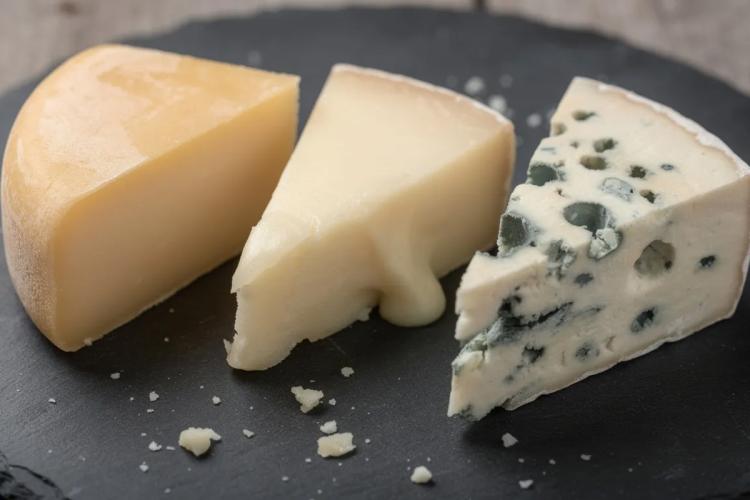
Within the cheese category, aim for variety in texture and intensity. A useful internal ratio is to choose one firm aged cheese, one soft and creamy style, and one bold or blue-flavored option for every three cheeses on the board. This ensures guests experience contrast with each bite—nutty and crumbly followed by rich and spreadable, then sharp and salty.
For a Spanish-inspired board, Manchego curado is the obvious choice for your firm aged cheese. Made from sheep’s milk and aged several months, it has a nutty, slightly tangy flavor that pairs beautifully with Rioja or dry sherry. Mahón, a cow’s milk cheese from Menorca, offers a tangy, buttery character and works well as a semi-soft option. For the bold category, Valdeón or Cabrales—both blue cheeses wrapped in leaves—deliver the robust, salty punch that wakes up the palate. If you cannot find Spanish varieties, substitute with a good aged cheddar, a creamy brie, and a wedge of Roquefort.
How many cheeses to serve depends on group size. For two people, two cheeses suffice. For four, three varieties create enough interest. For eight or more, consider four or five cheeses, but resist the urge to add more—too many options leads to waste and flavor fatigue. Keep portions manageable by slicing wedges into half-inch pieces while leaving some intact for guests to cut themselves.
Arrangement matters for both aesthetics and practicality. Place cheeses at different points on the board, leaving space around each so colors and textures are visible. Leave rinds on for character, but slice a few pieces off each wedge to signal that guests should dig in. Bring cheeses to room temperature thirty to forty-five minutes before serving; cold cheese mutes flavor and hardens texture.
Cheese is where wine pairing becomes especially delicious. A firm Manchego loves a medium-bodied Tempranillo, while a creamy cheese welcomes sparkling cava. World Food and Wine publishes detailed pairing guides if you want to explore these combinations further.
Balancing meats: cured, cooked, and seafood options
For the meat portion of the board, aim for about two-thirds cured meats and one-third other proteins if you choose to include them. Cured meats are the heart of cold tapas boards, and their rich, salty flavor defines the eating experience alongside cheese.
Jamón Ibérico is the crown jewel of spanish cured ham, with its nutty, slightly sweet flavor from acorn-fed pigs. If jamón ibérico is outside your budget, jamón serrano offers similar silky texture at a lower price point. Thinly sliced chorizo adds a touch of spice and paprika warmth, while lomo embuchado—cured pork loin—provides a leaner, milder option. For variety, consider adding a small dish of albóndigas (spanish meatballs in tomato sauce) or gambas al ajillo (shrimp sautéed with garlic clove and olive oil) from your favorite easy slow cooked tapas recipes as a hot tapas accent near the board.
Scaling meat quantities is straightforward. Plan on three to four slices of jamón per person, two to three slices of chorizo, and a small portion of any secondary meat. Cured meats are intensely flavored and rich, so small amounts satisfy. For a board serving four, roughly one hundred fifty grams of jamón and fifty grams of chorizo or lomo is plenty.
Arrange meats by folding or loosely fanning slices into organic piles rather than laying them flat. This creates height and visual interest while making it easier for guests to pick up individual pieces. Separate different meats with small bowls of olives or clusters of almonds to prevent everything from sticking together and to add color contrast.
For pescatarians or guests who eat less pork, swap some cured meat for boquerones (white anchovies marinated in vinegar), sardines in olive oil, or lightly smoked salmon. These substitutions maintain the same proportion of protein on the board while respecting dietary preferences. Salt cod prepared a la gallega—with potatoes, paprika, and olive oil—also makes a delicious addition for seafood lovers.
Preserved goods: olives, pickles, and pantry stars
Preserved goods occupy roughly twenty percent of the board, and their role is to cut through the richness of cheese and meat with bright acidity and brine. These are the palate cleansers that keep each bite feeling fresh and make the next sip of wine or drink taste even better.
Mixed Spanish olives are essential. Manzanilla olives are buttery and mild, while larger Gordal olives have a meaty texture that stands up to bold cheeses. Banderillas—small skewers of pickled gherkins, peppers, and sometimes anchovies—add a playful element and make serving easy. Piquillo peppers, roasted and packed in their own juices, bring sweetness and a touch of char. For an upgraded board, add a tin of quality sardines in olive oil or octopus in paprika oil; tinned seafood has become a respected category in spanish tapas bars, and a good tin adds luxury without much effort.
The sensory role of preserved foods cannot be overstated. Acidity from pickled vegetables and brine from olives reset the palate after fatty cheese and salty meat. This interplay is what makes tapas boards so moreish—each bite leads naturally to the next, and each sip of wine complements the cycle.
Present preserved items in small ceramic or glass bowls grouped loosely on the board. A triangle arrangement of three bowls creates visual balance without looking rigid. Place cocktail sticks nearby for easy serving, and include a small dish for olive pits. If you are shopping outside Spain, look for quality imports at specialty stores or simply choose the best olives your supermarket offers and upgrade with a drizzle of good olive oil and a sprinkle of fresh herbs.
Supporting elements: bread, spreads, and fresh accents
While cheese, meat, and preserved goods form the core, the remaining ten percent of the board should be structural: bread, simple spreads, nuts, and a little fresh produce to brighten the presentation.
For bread, crusty baguette slices or a loaf of rustic country bread work beautifully. Pan con tomate—toasted bread rubbed with ripe tomato, garlic, and olive oil—is a classic spanish bar snack that adds color and flavor without competing with the main elements. Slice bread thinly, toast lightly, and arrange in overlapping rows along the board’s edges. Marcona almonds, Spain’s prized fried and salted variety, add crunch and fill small gaps.
One or two easy spreads round out the board. Romesco sauce, made from roasted peppers, almonds, and garlic, pairs wonderfully with bread and grilled vegetables. A simple alioli—garlic clove pounded with olive oil—offers creamy richness that complements everything from cheese to seafood. Use spreads sparingly; they should accent, not dominate.
Fresh fruit adds brightness and echoes flavors found in Spanish wines. Small clusters of grapes, orange wedges, or thin slices of pear and apple provide sweetness that contrasts beautifully with salty meats. Arrange fruit in small piles near the board’s edges, repeating colors in different corners for visual balance.
When you step back and look at your finished board, you should see no visible gaps, with colors repeating across the surface and enough neutral bread and crackers to pair with every cheese and meat. The table should feel abundant but not cluttered—an invitation to lunch, dinner, or simply a relaxed sample of Spain’s best snacks.
Portion planning and drink pairings for home cooks
Simple planning formulas make building a tapas board stress-free. For a light pre-dinner board, plan on roughly one hundred grams of total food per person. For a board that replaces dinner entirely, double that to two hundred grams per person. A board for two on a weeknight might include two cheeses, one meat, one bowl of olives, and a few slices of bread. A board for six friends on a Saturday evening expands to four cheeses, three meats, three preserved items, and plenty of bread and almonds.
| Group Size | Cheese (total) | Meat (total) | Preserved items | Bread / Extras |
|---|---|---|---|---|
| 2 people | 150g (2 types) | 100g (1-2 types) | 1-2 small bowls | Handful |
| 4 people | 300g (3 types) | 200g (2-3 types) | 2-3 small bowls | Generous |
| 6-8 people | 450g (4 types) | 300g (3 types) | 3-4 small bowls | Abundant |
Wine pairing elevates the experience. Dry Spanish cava works beautifully with mixed boards, its bubbles cutting through rich cheese and salty meat. A Rioja crianza, with its oak and red fruit, complements jamón and Manchego perfectly. For briny olives and tinned seafood, fino or manzanilla sherry is traditional and delicious—its salty, nutty character mirrors the food. If you prefer non-alcoholic options, sparkling water with a citrus slice refreshes the palate just as effectively.
World Food and Wine publishes detailed wine pairing and recipe guides for those who want to explore further, including ideas for the best appetizers to serve at a wine tasting party. Our recipes section includes everything from calamari and croquettes to salads and squid dishes that complement a tapas spread.
Sign up for the newsletter to receive more Spanish-inspired boards, global recipes, and cooking tips delivered to your inbox.
Most importantly, remember that these ratios are starting points, not rigid rules. The tapas tradition is about flexibility and enjoyment. If your guests love cheese, add an extra wedge. If someone adores olives, fill another bowl. The goal is a relaxed, social experience inspired by spanish culture—good food, good drink, and good company around the table. Experiment freely, taste as you build, and let the spirit of Spain guide your menu. We hope your next tapas board brings as much joy to your home as it does to the bars and restaurants of Madrid, Barcelona, and beyond.