
Flavor profiles from well known world cuisines.
Some blends of flavors are traditional in a particular area or country. They define much of the cuisine of the region, and many have become classic flavor combinations in international cooking. Exploring these regions through their dishes offers a unique taste of their cultural heritage and culinary expertise.
Traditional flavorings
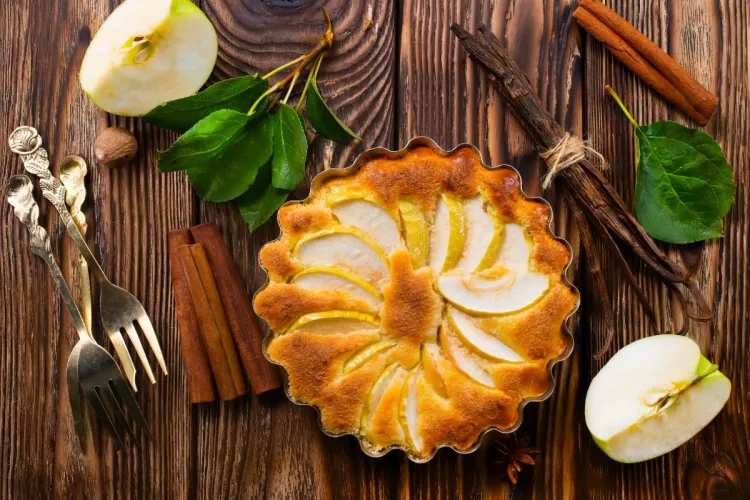
If it is apples and cream, whatever form the apples take, whether fruit, cider or apple brandy, we are talking about French cuisine from Normandy.
If it is shallot, garlic and parsley, it is also French cuisine, but French cuisine from Burgundy.
If you find caraway, onion and vinegar together, it is probably a German recipe.
A dish flavored with sour cream, paprika and caraway is likely to have come from Hungary.
If your food is flavored with sour cream or mustard, and dill, it tastes Scandinavian.
You will find cinnamon, honey and nuts together in many Mediterranean countries, especially in the Middle East and North Africa. Adding sesame seeds brings an extra layer of nutty, slightly sweet flavor typical of the region.
There is no doubt that a dish flavored with olive oil, tomato and basil is Italian, and one flavored with olive oil, garlic and anchovy is very likely to be Italian too. The essence of Italian cooking also shines through in pesto, where basil, Parmesan cheese and pine nuts come together.
If you find lemon and oregano in the same recipe, it is probably traditional Greek cooking. Feta cheese in Greek dishes adds a tangy, salty flavor that is unmistakably Greek.
The combination of olive oil, garlic and parsley has a good chance of being Spanish. With olive oil, onion, garlic and tomato, the base of a Spanish sofrito, the chances increase, and with olive oil, onion, garlic and paprika they grow even more. Add saffron, as in paella, and you are almost certainly in Spain.
Saffron is also prized elsewhere, from Iran and Morocco to Italy's risotto alla milanese, and in India it is often paired with cardamom or ginger. The marriage of onion, garlic and ginger is another cornerstone of Indian cuisine.
Chinese cuisine offers a similar but more delicate trio: ginger, garlic and scallion. Scallions are young onions, much milder in flavor than a mature onion bulb.
From Japan comes the combination of soy sauce, mirin or sake, and dried bonito. The blend of ginger and soy sauce is also typically Japanese.
If you find fish sauce, lemongrass and chili in one dish, it is very likely to be from Thailand.
Create your own delicious flavor combinations
All these combinations are classic flavors of their lands, but they are not the only ones used in those regions, nor the only ones you can use. Hopefully these mixtures of flavors have stimulated your imagination as much as your taste buds, and you are ready to build new blends that are uniquely yours. Let them inspire you to create dishes that reflect your personal taste and culinary creativity.
Last reviewed November 2026.