Cold sauces and dressings
There are a myriad of no-stove-required sauces and dressings that are very popular with cooks.
Cold sauces and dressings play a pivotal role in enhancing the flavor and texture of various dishes. Their importance lies in their ability to quickly elevate a simple meal, adding complexity and richness without the need for cooking. Versatile by nature, these sauces can be used as dips, marinades, or toppings, complementing everything from fresh salads and grilled vegetables to meats and seafood. Additionally, their ease of preparation and endless customization options make them a favourite among both amateur and professional chefs alike.
One of the primary benefits of no-cook recipes is their ease and convenience, making them ideal for busy lifestyles. With no need for heating, these recipes reduce preparation and cleanup time significantly, allowing you to create delicious meals without the hassle. Furthermore, no-cook sauces and dressings are perfect for maintaining nutritional integrity, as they often contain fresh ingredients that retain their vitamins and minerals. This makes them not only a speedy solution for mealtime but also a healthful one, ensuring you can enjoy vibrant, flavor-packed dishes with minimal effort.
Types of cold sauces and dressings
Cold sauces and dressings can be generally divided into three main categories: oil-based sauces, cream-based sauces, and vegetable-based sauces. Each category offers a unique range of flavors and textures, suitable for a variety of dishes and palates. Exploring these categories will help you understand the versatility and applications of different cold sauces and dressings in your culinary repertoire.
Oil-based sauces
Oil-based sauces are a quintessential component in the realm of cold dressings, offering a smooth, robust foundation that enhances the natural flavors of both simple and complex dishes.
Vinaigrette and its variations
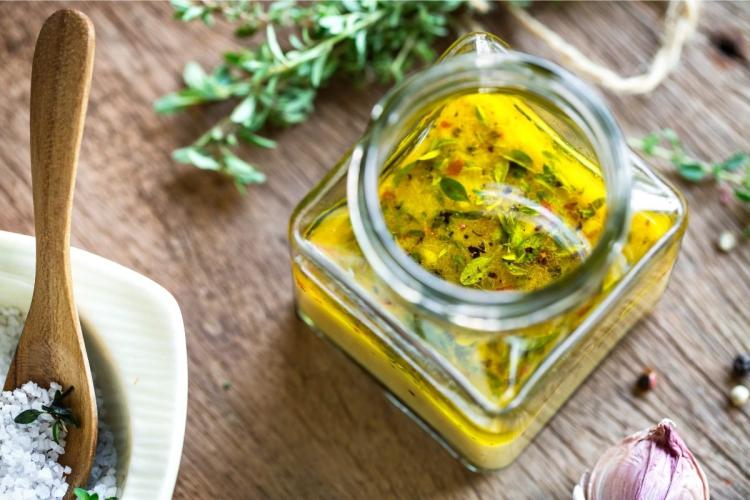
Vinaigrette is one of the most well-known and versatile oil-based sauces. Typically made from a simple emulsion of oil, vinegar, and seasonings, it serves as a fundamental dressing for salads and an excellent marinade for vegetables and meats. The balance of tangy and rich flavors makes vinaigrette an indispensable staple in many kitchens.
A vinaigrette is a basic salad dressing.
One of the classic vinaigrette dressings, variations of the basic vinaigrette, is the balsamic vinaigrette, which incorporates balsamic vinegar to add a sweet and robust flavor profile. Another popular version is the mustard vinaigrette, made by adding a dollop of Dijon mustard, giving the dressing a sharp and creamy texture. For an even more nuanced taste, the addition of herbs like basil, thyme, or tarragon can transform a basic vinaigrette into something extraordinary.
The French dressing popular in America is a vinaigrette with other ingredients added, typically includes additional ingredients like sugar, ketchup, paprika, and other spices, giving it a sweeter and creamier consistency than a traditional vinaigrette.
Mayonnaise and its variations
Despite its creamy texture, mayonnaise is classified as an oil-based sauce due to its primary ingredients of oil and egg yolk. This thick, rich sauce acts as a perfect base for a plethora of variations, making it a staple in both home kitchens and professional culinary settings. Traditional mayonnaise consists of oil, egg yolk, vinegar or lemon juice, and seasonings, which are emulsified to form a stable and luscious spread.
Mayonnaise and variations are cold emulsion sauces.
Variations of mayonnaise are vast and cater to a wide range of tastes. Aioli, for example, combines mayonnaise with a generous amount of garlic, resulting in a robust and flavorful dip often paired with seafood or roasted vegetables. Another popular variation is tartar sauce, which adds finely chopped pickles, capers, and fresh herbs to mayonnaise, providing a tangy complement to fried fish. For those who prefer a spicy kick, sriracha mayo incorporates the famous hot sauce, delivering a delightful blend of heat and creaminess.
Dairy-based sauces
Dairy-based sauces are rich and decadent, often incorporating ingredients such as yogurt, sour cream, or heavy cream to create smooth and luxurious textures.
The most popular from the dairy-based sauces are the yogurt-based sauces, celebrated for their creamy texture and tangy flavor, making them a versatile and healthful choice for enhancing a variety of dishes. Yogurt itself is packed with probiotics, which support gut health and digestion, as well as calcium and protein, contributing to a nutritious diet. These sauces are particularly popular in cuisines around the world due to their refreshing qualities, which can complement and balance spicy or rich foods.
One of the simplest and most beloved yogurt-based sauces is the traditional tzatziki. Originating from Greek cuisine, tzatziki is made by combining strained yogurt with cucumber, garlic, olive oil, and fresh herbs like dill or mint. This cooling sauce pairs exceptionally well with grilled meats, kebabs, or as a dip for fresh vegetables and pita bread.
Another popular yogurt-based sauce is raita, a staple in Indian cuisine. Raita is typically made by mixing yogurt with finely chopped vegetables or fruits, such as cucumber, tomatoes, mint, and sometimes even pineapple or pomegranate. Spices like cumin, coriander, and chaat masala add an aromatic dimension to the sauce, making it a perfect side dish to accompany spicy curries and biryanis.
For those who enjoy a bit of heat, a spicy yogurt sauce may offer an exciting variation. By combining yogurt with ingredients like harissa, sriracha, or chili flakes, you can create a sauce that adds a spicy kick to sandwiches, wraps, and roasted vegetables.
- Make a sauce with yogurt, or sour cream, and chives, seasoned with salt and pepper. This sauce goes well with for boiled or jacket potatoes.
- Mix crushed garlic, finely chopped parsley and basil, grated raw onion or finely chopped scallions with yogurt. Use this sauce for grilled or roasted vegetables such as grilled eggplant.
A creamy horseradish sauce can be considered a dairy-based sauce or a vegetable-based sauce.
Vegetable-based sauces and other sauces
Vegetable-based sauces, while they may often include oil, primarily derive their rich and diverse flavors from the fresh vegetables, herbs, and spices that serve as their main ingredients rather than relying on oil as a base.
Pesto and its variations
Pesto is a vibrant and aromatic vegetable-based sauce originating from Italian cuisine. Traditionally made with fresh basil leaves, garlic, pine nuts, Parmesan cheese, and olive oil, pesto offers a robust and herbaceous flavor that can elevate a wide range of dishes. Whether used as a sauce for pasta, a spread for sandwiches, or a drizzle over grilled meats and vegetables, the versatility of pesto makes it a beloved staple in many kitchens.
The classic basil pesto is the quintessential version, showcasing the aromatic sweetness of fresh basil. To make this sauce, fresh basil leaves are typically pounded in a mortar and pestle or blended in a food processor with garlic, pine nuts, Parmesan cheese, and olive oil until a smooth paste is formed. The result is a vibrant green sauce with a rich, nutty, and slightly tangy taste.
Spinach pesto is a delightful variation that incorporates fresh spinach leaves alongside or in place of basil. This version delivers a milder flavor, with an added boost of nutrients such as iron and vitamins A and C. Spinach pesto can be used in the same ways as basil pesto and offers a unique twist with its slightly earthier taste and brilliant green color.
Pesto's adaptability lends itself to numerous other variations, each adding its own unique twist to the traditional recipe. For example, kale pesto introduces the hearty and slightly bitter flavor of kale, complemented by the nuttiness of walnuts instead of pine nuts. Sun-dried tomato pesto swaps fresh basil for sun-dried tomatoes, creating a richly flavored, deep red sauce with a sweet and tangy profile. Additionally, arugula pesto or watercress pesto can be made using peppery arugula leaves or watercress, resulting in zesty and spicy sauces that pairs wonderfully with seafood and poultry.
Salsa cruda and similar sauces
Mexican cuisine is renowned for its vibrant and dynamic sauces, with salsa cruda being a quintessential example. Also known as "pico de gallo," salsa cruda is a fresh, uncooked tomato-based sauce that captures the essence of Mexican flavors. The basic ingredients typically include diced tomatoes, onions, cilantro, jalapeño peppers, lime juice, and salt. This simple yet delightful combination results in a refreshing and tangy condiment that can brighten up tacos, grilled meats, and tortilla chips. The versatility of salsa cruda makes it a staple in Mexican households and a beloved accompaniment for various dishes worldwide.
Hummus and its flavor variations
Hummus, a beloved staple of Middle Eastern cuisine, is a creamy and versatile sauce primarily made from blended chickpeas, tahini (a paste made from sesame seeds), lemon juice, garlic, and olive oil. Its smooth texture and rich, nutty flavor make it a popular dip and spread served with pita bread, vegetables, and various grilled dishes.
While the classic hummus is immensely satisfying, its simplicity invites a plethora of flavor variations that cater to different tastes and culinary creativity. One well-known variation is red pepper hummus, which incorporates roasted red peppers, adding a sweet and smoky depth to the traditional recipe. This variation not only enhances the taste but also introduces a vibrant red hue, making it a visually appealing addition to any spread.
For those who enjoy a bit of zest, lemon and garlic hummus heightens the citrusy and pungent notes, with extra lemon juice and garlic giving the hummus a refreshing kick.
Spicy hummus enthusiasts can add fiery ingredients like sriracha, harissa, or jalapeños to the mix, creating a bold and piquant version that pairs wonderfully with crunchy vegetables and chips.
For a unique twist, beet hummus blends in roasted beets, resulting in a stunning magenta-colored dip with a subtly sweet and earthy flavor. This variant not only tastes delightful but also provides additional nutrients, making it a healthy alternative.
Lastly, avocado hummus brings a creamy, smooth texture and the beloved flavor of avocados to the traditional ingredients, resulting in a rich and luxurious dip perfect for tortilla chips and raw veggies.
These flavor variations showcase the versatility of hummus, allowing it to be adapted and reinvented to suit diverse culinary preferences and dietary requirements.
Cold sauces for fruit
Cold sauces for fruit offer an exciting way to elevate the flavors of fresh produce, making them even more delightful and refreshing. These sauces can range from sweet to tangy, and from creamy to syrupy, providing endless possibilities for enhancing fruit dishes. Whether drizzled over a fruit salad, used as a dip, or served alongside a fruit platter, cold sauces add depth and complexity, making each bite more enjoyable. Exploring these sauces can transform simple fruits into sophisticated desserts or snacks, perfect for any occasion.
The most popular fruit salad dressing is orange juice, may be with a little sugar.
For a ginger-lemon fruit sauce, mix sugar, lemon juice and freshly grated ginger (substitute with ground ginger, if you don't have it) with a little water. Use it with sliced sweet apples or pears and with more exotic fruits such as passion fruit.
Serving and storing a cold sauce or dressing
The temperature has an impact on flavor.
Served cold
- Vinaigrette: The acidity and freshness of vinaigrette are best enjoyed cold, as it can become dull and oily if warm.
- Aioli: This garlic-infused mayonnaise is traditionally served chilled to maintain its thick, creamy texture.
- Rémoulade: A tangy mayonnaise-based sauce with pickles and herbs, rémoulade is typically served cold as a dipping sauce for seafood or vegetables.
- Tzatziki: A Greek yogurt-based sauce with cucumbers and dill, tzatziki is refreshing when served cold as a dip or side dish
Best if not chilled
- Pesto: While you can refrigerate pesto for storage, its flavors are more pronounced at room temperature. Allowing it to warm slightly also helps to loosen its texture for easier mixing.
- Hummus: This chickpea-based dip is typically served at room temperature to allow its flavors to fully develop.
- Salsa: Whether it's pico de gallo or a cooked tomato salsa, these sauces are best served at room temperature to avoid the chilling effect masking their vibrant flavors.
- Guacamole: While some people prefer chilled guacamole, it's traditionally served at room temperature to prevent the avocado from becoming discolored and to better showcase its creamy texture.
- BBQ Sauce: While often served warm on grilled meats, BBQ sauce is also delicious at room temperature as a dipping sauce for appetizers or as a condiment for sandwiches.
Storing
Store salad dressings containing egg, yogurt or cream in the fridge. Those based on oil and vinegar can be kept at room temperature for a couple of days. Stir them or shake the bottle well before use.
Don't keep mayonnaise it in the coldest part as it may separate, mayonnaise is not suitable for freezing either.
- Vinaigrette: Refrigerate for up to a week in an airtight container.
- Aioli: Store in the fridge for up to four days in an airtight container.
- Rémoulade: Keep refrigerated for up to a week in an airtight container.
- Tzatziki: Refrigerate for up to five days in an airtight container.
- Pesto: Store in the fridge for up to a week.
- Hummus: Refrigerate for up to a week in an airtight container.
- Salsa and Guacamole: Both can be stored in the fridge for up to three days in an airtight container.
- BBQ Sauce: Store in the fridge for up to two weeks in an airtight container. For longer storage, freeze in ice cube trays and transfer to a freezer bag for later use. Thaw before serving.
Endless variations
Cold sauces offer a multitude of options for enhancing and transforming flavors. Whether it's adding depth to fruits or elevating the taste of grilled meats, these sauces provide endless possibilities for culinary creativity. By understanding flavor profiles and proper storage, one can fully enjoy the versatility and convenience of these delicious accompaniments.
This is a great experimental area for cooks as most prefer their own variations over following a precise recipe, so learn the basics and then fly solo. So go ahead and experiment with different ingredients, textures, and temperatures to discover new favorite sauces to elevate your meals. Happy saucing! Bon Appétit!