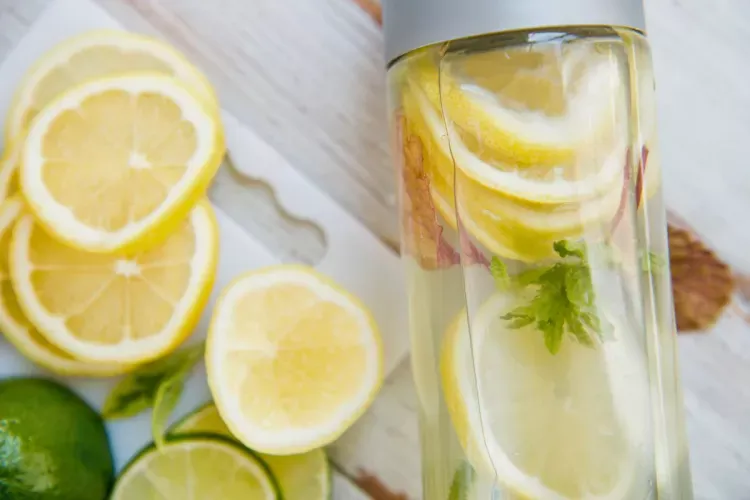
Staying hydrated is one of the simplest things you can do for your health. Water aids digestion, regulates body temperature, and supports a long list of everyday functions. Here is why it matters, and how to make it easy.
The short version
Good hydration supports nutrient transport, temperature regulation, and joint protection, among many other functions. Fall short and you may notice fatigue, poor concentration, and, over the longer term, it has been linked to poorer health. How much you need depends on your age, size, and activity level, but general guidelines suggest roughly 9 cups of fluid a day for women and 13 for men, with individual needs varying. Checking the color of your urine is a simple way to gauge how you're doing. The practical tricks are easy: drink steadily through the day, keep a reusable bottle handy, and flavor your water with fruit or herbs if plain water bores you. Pay extra attention during exercise and in hot weather.
Why hydration is so important
Water makes up between 50% and 70% of body weight and is the body's main chemical component. Every cell, tissue, and organ needs it to work properly. Hydration is not just about quenching thirst; it's about keeping the whole system running. Water:
- carries nutrients to cells and helps the body clear waste;
- protects joints and organs;
- acts as a lubricant;
- plays a central role in regulating body temperature.
Good hydration is associated with better concentration and energy, and a lower risk of urinary tract infections and kidney stones. A glass of water can also help you feel full between meals. Staying hydrated helps the heart pump blood more easily, so muscles work efficiently. Over the longer term, consistently low fluid intake has been linked in research to higher blood sodium levels and a greater risk of chronic health problems.
Even mild dehydration has consequences — fatigue, dizziness, and difficulty concentrating — that can take the edge off your day. The goal is steady hydration throughout the day, not just during exercise.
How much water should you drink daily?
Working out the right amount can feel confusing. The U.S. National Academies of Sciences, Engineering, and Medicine suggest that women take in about 9 cups of fluids a day, and men about 13 — counting all beverages, not water alone. Another familiar rule of thumb is the "8x8 rule": eight 8-ounce glasses a day. It's an easy target to remember, but it's a rough guide rather than a scientific requirement, and real needs vary from person to person.
Individual water needs depend on:
- age
- sex
- body size
- activity level
- overall health
Athletes and people in physically demanding jobs need more. If you'd like a figure tailored to you, your doctor or a dietitian can give a personalized recommendation.
Adjusting for personal factors
Larger people and those doing intense physical activity generally need more water. Children and older adults are at higher risk of dehydration — children because they have a higher percentage of body water and don't always recognize thirst, and older adults because the sense of thirst tends to fade with age, alongside changes in body composition and the effects of some medications. Studies suggest dehydration is common in older adults, which makes paying attention to fluids more important as we age.
Recognizing the signs of dehydration
It helps to know what dehydration feels like. Common signs include:
- thirst
- dark, strong-smelling urine
- passing urine less often, and less of it
- a dry mouth, lips, and tongue
- dizziness
- tiredness
More severe dehydration can cause unusual tiredness, confusion, dizziness that doesn't pass, and a fast heart rate. These need prompt attention, and medical help if they persist. Thirst itself is a useful early signal — for most healthy people it's a reliable prompt to reach for a drink. You don't need to stay ahead of thirst all day, but don't ignore it either, especially in heat or during exercise.
Tips for staying hydrated through the day
Staying hydrated doesn't have to feel like a chore. A few simple habits make a real difference:
- keep a reusable water bottle with you and sip through the day;
- set phone reminders if you tend to forget;
- add fruit, vegetables, or herbs to your water to make it more appealing.
Drink regularly
Pairing water with daily routines makes the habit stick. Have a glass before each meal, keep a bottle within reach, and use a tracking app or reminder if that helps. Drinking when you wake up, before meals, and before bed is an easy pattern to follow. Building these small habits means you're not relying solely on thirst, whose signal can sometimes lag.
Use a reusable water bottle
A reusable bottle has several advantages: it cuts down on plastic waste, saves money over buying bottled water, and can be a genuinely useful thing to have on hand. Pick one you like and you'll reach for it more often.
Add flavor to your water
If plain water doesn't appeal, infusing it with fruit, vegetables, or herbs is a flavorful, low-calorie way to make it more enjoyable — and to drink more of it. Some combinations worth trying:
- lemon and mint
- cucumber and lime
- strawberry and basil
- watermelon and mint
- orange and blueberry
Foods that help keep you hydrated
Water-rich fruits and vegetables are an easy way to top up your fluids. Among the fruits:
- watermelon (over 90% water)
- strawberries
- cantaloupe
- peaches
- pineapple
And among the vegetables:
- celery (about 95% water)
- cucumber
- cauliflower (about 92% water)
- iceberg lettuce (about 96% water)
Working these into your meals helps you reach your daily fluid intake without thinking about it.
Alternatives to plain water
If you're not keen on plain water, plenty of other drinks count toward your fluids:
- milk, including skim milk and soy milk
- herbal teas
- coconut water
- unsweetened coffee and tea
Most fluids contribute to your daily intake, and the mild diuretic effect of the caffeine in coffee and tea doesn't cancel out the water they contain. A few drinks bring extra benefits: milk and soy milk actually rank higher than water on measures of how well a drink hydrates, and coconut water contains electrolytes such as sodium, potassium, and magnesium. Fruit and vegetable juices count too, but keep them in moderation because of their sugar. Sugary sodas and similar drinks do provide fluid, but they aren't a good choice for everyday hydration — water is better.
Special considerations
Hot weather
In very hot weather, staying hydrated becomes even more important for avoiding heat-related illness. Heat stroke is a life-threatening emergency that needs immediate medical attention, but it can often be prevented. Wear light, loose clothing, use sunscreen, and cover up with a hat and sunglasses. Schedule vigorous activity for the cooler parts of the day. Together with steady hydration, these habits help you stay safe when it's hot.
Monitoring your hydration
Two simple checks tell you most of what you need to know: the color of your urine (pale and light is the aim; darker suggests you need more fluid) and a steady body weight. Used together, they give a good day-to-day picture.
The role of electrolytes
Electrolytes are minerals that carry an electric charge when dissolved in fluid. They keep fluid in balance, help move nutrients into cells, and help clear waste. Sodium and potassium in particular matter for the heart and muscles. In hot weather or during long, intense exercise, the body loses electrolytes through sweat and needs to replace them — this is where sports drinks and electrolyte waters can help. For everyday activity and shorter workouts, though, water is usually all you need.
Hydration and workouts
During exercise, good hydration helps the body clear waste, keeps joints lubricated, and regulates temperature through sweating. Drink water before, during, and after a workout, and listen to your body. For long or intense sessions, especially in the heat, a sports drink can help replace lost fluids and electrolytes; for ordinary workouts, water does the job.
A few common questions
What are electrolytes, and why do they matter?
Electrolytes are minerals such as sodium and potassium that the body needs to function. They're lost through sweat, so they need replacing after heavy sweating to keep fluid balance right.
What are the signs of dehydration?
Thirst, tiredness, dark-colored urine, a faster heart rate, and muscle cramps can all point to dehydration. Replace fluids, and seek medical attention if the symptoms don't ease.
How can I check my hydration?
Watch the color of your urine — pale is the goal — and keep an eye on a stable body weight. Both are quick, reliable everyday guides.
The bottom line
Hydration touches every part of the body, and keeping up with it is one of the easiest wins for your health. Whether through water, water-rich foods, or keeping an eye on the simple signs, there are plenty of ways to make sure you're getting enough. Reach for a glass when you're thirsty — it's a small, steady step toward feeling your best.