Food tips

Get the best of all ingredients.

Some ingredients are tricky to deal with, others require extra handling to give their best, and sometimes going a little out of your way gives spectacular results.

Seasonal

Salads are especially good when the warm season is upon us, helping to keep us hydrated. Soups are comforting when the chill sets in.

Fruits and vegetables are naturally low in fat, contain no cholesterol and are good sources of fiber, vitamins and minerals that help keep you healthy and full of energy.

Produce in season always has the best flavor. If fresh is not possible, frozen is the next best thing. Canned fruits and vegetables can be high in added salt or sugar, and their taste doesn’t match fresh, so look for no-salt-added vegetables and fruit packed in juice.
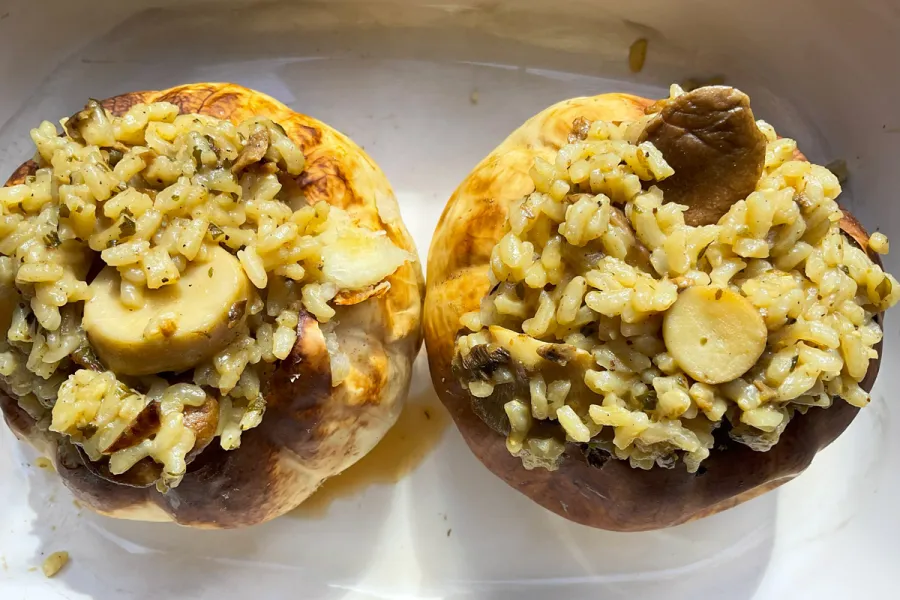
Reheating food

Heat cooked, commercially vacuum-sealed, ready-to-eat foods, such as hams and roasts, to 140°F.

Foods that have been cooked ahead and cooled should be reheated to at least 165°F. Reheat sauces, soups, and gravies to a boil.

Reheating leftovers in slow cookers, steam tables or chafing dishes is not recommended because foods may stay in the "danger zone," between 40°F and 140°F, for too long. Bacteria multiply rapidly at these temperatures.

You can reheat food on the stovetop. Place the food in a pan and heat thoroughly. The food should reach at least 165°F on a food thermometer when properly done.

To reheat food in the oven, place the food in an oven set no lower than 325°F. Use a food thermometer to check the internal temperature of the food.

To reheat food in the microwave, stir, cover, and rotate fully cooked food for even heating. Heat the food until it reaches at least 165°F throughout or until boiling.