
Food in Lesotho
A guide to traditional Basotho cuisine.
When you think about food in Lesotho, imagine a cuisine shaped by mountains, tradition, and making the most of what nature provides. This small country, completely surrounded by South Africa, has developed a unique way of eating that tells the story of the Basotho people’s resilience and creativity.
- Papa (thick cornmeal porridge) is the main staple food eaten with almost every meal in Lesotho
- Basotho cuisine focuses on simple ingredients like maize, sorghum, beans, and leafy greens grown locally
- Traditional breads like steamed bread (leqebekoane) and pot-roasted bread (liphaphatha) are important cultural foods
- Food preparation is deeply connected to Basotho culture, with cooking skills passed down through generations
- Meat dishes often use every part of the animal, reflecting the cultural value of not wasting food
The food in Lesotho reflects a deep connection between the land and its people. High up in the mountains, where the air is thin and the growing season is short, the Basotho people have learned to create satisfying, nutritious meals from simple ingredients. Every dish has a purpose, every ingredient has value, and nothing goes to waste.
What makes Basotho food special
Lesotho is unlike any other country in the world. This small country sits entirely above sea level at over 1,000 meters high, making it the highest nation on Earth. Being completely surrounded by South Africa, with no access to the ocean, has shaped everything about how people here grow, prepare, and eat food.
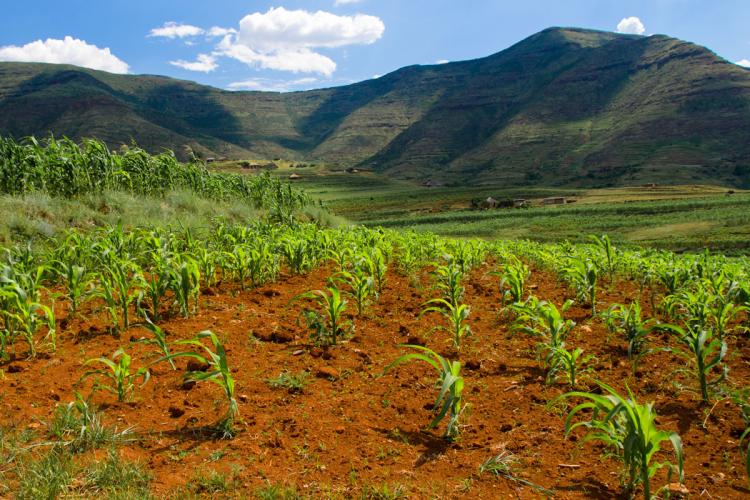
The high altitude means that only certain crops can survive the cold winters and short growing seasons. Maize and sorghum thrive here because they’re tough and can handle the challenging climate. These grains became the foundation of Basotho cuisine centuries ago, and they remain central today.
Poverty and limited resources have actually made Basotho cooking stronger and more creative. When you can’t waste anything, you learn to use every part of every ingredient. When you don’t have fancy equipment, you develop cooking methods that work with simple tools like clay pots and hot coals.
The influence of South African and British colonial history shows up in modern Basotho kitchens too. You’ll find British desserts like scones alongside traditional sorghum porridge, and wheat flour bread next to steamed corn bread. This mix of old and new creates a cuisine that honors the past while embracing change.
Most Basotho people still practice traditional cooking methods passed down through families. Mothers teach daughters how to make perfect papa, how to ferment sorghum for motoho, and how to steam bread in grass baskets. These culinary practices aren’t just about food, they’re about keeping Basotho culture alive.
Staple foods that fill every plate
Walk into any Basotho household during mealtime, and you’ll likely see the same core ingredients appearing again and again. These staple foods form the backbone of every meal because they’re nutritious, filling, and grow well in Lesotho’s challenging climate.
Papa is the undisputed king of Basotho food. This thick, stiff porridge made from maize meal gets cooked with water until it becomes solid enough to hold its shape. Most Basotho people eat papa at least once a day, often twice. It’s filling, cheap to make, and provides the energy needed for hard physical work. The texture is smooth and dense, and it doesn’t have much flavor on its own, which makes it perfect for pairing with other dishes.
Sorghum is another essential grain that appears in many forms throughout Basotho cuisine. This drought-resistant plant produces small, round grains that can be ground into sorghum flour for bread or sorghum meal for porridge. What makes sorghum special is its ability to ferment naturally, creating the slightly sour taste that defines many traditional foods. When left to ferment overnight, sorghum develops complex flavors that add depth to simple dishes.
Moroho refers to any leafy green vegetables, from cultivated spinach and cabbage to wild plants gathered from the mountains. These greens provide essential vitamins and minerals that balance out the carb-heavy grains. Fresh moroho gets cooked with a little salt and water until tender, while dried greens can be stored for months and rehydrated when needed.
Beans and peas serve as the main protein sources for most Basotho households. These legumes grow well in the local climate and can be dried for year-round storage. When cooked with equal parts care and patience, beans become creamy and satisfying. They’re often mixed with maize meal or sorghum to create complete, balanced meals that keep people full for hours.
Popular and traditional dishes
The heart of Basotho cuisine lies in dishes that combine these simple ingredients in satisfying ways. Each traditional dish has been perfected over generations, with recipes passed down from mothers to daughters in an unbroken chain of culinary wisdom.
Papa le moroho represents the most common meal eaten across Lesotho. This combination of thick maize meal porridge served alongside cooked leafy greens appears on tables from wealthy families to the poorest households. The papa provides filling carbohydrates while the moroho adds vitamins and a fresh, green flavor. It’s simple, nutritious, and can be prepared with just water, salt, and whatever greens are available.
Nyekoe is a heartier dish that combines sorghum, beans, and pumpkin in one pot. This mixture gets slow-cooked until all the ingredients meld together, creating a thick, porridge-like consistency with chunks of sweet pumpkin throughout. The fermented sorghum gives it a tangy flavor that pairs perfectly with the earthy beans and sweet pumpkin.
Motoho holds a special place in Basotho hearts as both food and drink. This fermented sorghum porridge starts with sorghum meal mixed with warm water and left to ferment overnight. The fermented mixture develops a slightly sour taste and smooth, drinkable consistency. People often eat motoho cold, especially on hot days, and it’s considered both refreshing and nutritious.

Likhobe is simplicity at its finest, just dry maize kernels boiled with a little salt until tender. While it might sound basic, this dish showcases how Basotho cooks can create satisfaction from the most humble ingredients. The maize kernels retain some texture while becoming soft enough to chew easily, and the cooking liquid often gets saved for later use.
Samp represents a more complex preparation where crushed dried maize kernels get mixed with beans and vegetables. The maize kernels are broken into smaller pieces before cooking, which helps them cook faster and creates a different texture than whole kernel dishes. This preparation method shows the ingenuity of Basotho cooks in making the most of their ingredients.
Traditional Basotho breads
Bread holds deep cultural significance in Basotho society, with different types marking various occasions and demonstrating different levels of cooking skill. Unlike Western bread made with commercial yeast, Basotho breads often rely on natural fermentation and traditional cooking methods that don’t require modern ovens.

Leqebekoane is perhaps the most technically challenging bread to master. This steamed bread gets cooked in special grass baskets placed over pots of boiling water. The bread dough, made from wheat flour, water, and a little salt, steams gently in the basket until it becomes light and fluffy. The grass baskets are woven with such precision that they let steam through while keeping the bread secure. Making perfect leqebekoane requires understanding exactly how much water to use, how to weave the baskets, and how to control the heat.
Bohobe ba polata showcases the clever adaptation of Dutch cooking methods to local conditions. This baked bread gets made in cast iron pots with coals placed both underneath and on top of the pot covered lid. The even heat from above and below creates an oven-like environment that bakes the bread evenly. The result is a crusty outside with soft, fluffy inside, similar to European breads but made with indigenous techniques.
Liphaphatha serves as the perfect travel food for shepherds and workers who need portable nutrition. This pot-roasted flatbread gets cooked on hot surfaces until it develops a tough, crispy exterior that preserves the soft interior. The bread can last for days without spoiling, making it ideal for long journeys into the mountains. The cooking method requires skill in controlling heat - too hot and the outside burns before the inside cooks, too cool and the bread won’t develop its protective crust.

Makoenya brings joy to school children and workers throughout Lesotho. These fried fat cakes start with simple dough made from wheat flour, water, and brown sugar, then get dropped into hot oil until they puff up golden and crispy. The contrast between the crispy outside and soft, slightly sweet inside makes makoenya irresistible. Street vendors often sell these warm, and the smell of fresh makoenya can draw crowds.
The bread-making skills required for these traditional foods represent important cultural knowledge that connects generations. Young girls learn by watching their mothers and grandmothers, gradually taking on more responsibility until they can manage the entire process themselves. This knowledge transfer ensures that traditional techniques survive even as modern conveniences become more available.
Meat dishes and no-waste cooking
Meat holds special significance in Basotho culture, often reserved for special occasions, Sunday meals, and when hosting guests. The approach to meat cooking reflects deep cultural values about respecting the animal by using every possible part and wasting nothing.
Likahare demonstrates the Basotho commitment to using every part of slaughtered animals. This dish features tripe and intestines that get thoroughly cleaned, then slow-cooked until they become tender and flavorful. The cooking process can take hours, with the meat simmered in its own juices until it develops a rich, thick gravy. While the idea might seem unusual to outsiders, likahare represents both practical nutrition and cultural respect for the animal.
Skopo has become an iconic street food, particularly popular with workers and young people. This dish consists of boiled sheep feet and heads that get cooked until the meat falls off the bones. Vendors often serve skopo cold, and eating it requires skill in navigating around bones to find the tender meat. The heads provide surprising amounts of meat, and the feet offer gelatin-rich tissue that many consider especially nutritious.
Lekakarane refers to spent layer chickens - older hens that have stopped laying eggs regularly. Rather than waste these birds, Basotho cooks have developed techniques to make them tender and flavorful. The key is long, slow cooking that breaks down the tough muscle fibers. Many Basotho people actually prefer lekakarane to younger chickens, claiming the older birds have more flavor and character.
Braai culture has been adopted from South African neighbors and represents the more social side of meat eating. During braai gatherings, families and friends cook various cuts of meat over open coals, creating a communal atmosphere where people share food and conversation. The meat gets seasoned simply with salt and sometimes basic seasonings, letting the natural flavors shine through the smoky cooking method.
The no-waste philosophy extends beyond just using every part of the animal. Basotho cooks save cooking liquid for later use, bones get cracked to extract marrow, and even fat gets rendered for cooking oil. This approach developed from necessity but has become a cultural value that emphasizes respect for food and resources.
Drinks and Beverages
Beverages in Basotho culture serve multiple purposes - providing nutrition, marking special occasions, and bringing communities together. Traditional drinks often require special preparation techniques that have been refined over generations.
Khemere represents celebration and hospitality in liquid form. This homemade ginger drink combines fresh ginger with brown sugar and warm water to create a spicy, sweet beverage that warms the body and lifts the spirits. The preparation involves grating fresh ginger root, mixing it with the right amount of brown sugar, then adding warm water and letting the flavors blend. Families often serve khemere during family gatherings, holidays, and when welcoming special guests.
Joala ba Sesotho holds deep cultural significance as the traditional fermented beer of the Basotho people. This alcoholic beverage gets made from maize meal and malt through a fermentation process that can take several days. The fermented mixture develops a slightly sour taste and moderate alcohol content. Traditionally, women controlled joala production, and the beer played important roles in ceremonies, negotiations, and community gatherings.
Tea and coffee culture arrived with British colonial influence and has become deeply embedded in modern Basotho life. Most Basotho households now include regular tea drinking, often accompanied by baked bread or british desserts like scones. The tea service follows somewhat formal patterns, with specific cups and serving methods that reflect the British heritage.
Fresh milk and sour milk represent traditional drinks that connect modern Basotho people with their pastoral heritage. Fresh milk comes directly from family cattle or goats, while sour milk develops naturally through fermentation. Both drinks often get served alongside papa, providing protein and calcium to balance the grain-heavy diet. The slightly sour taste of fermented milk pairs surprisingly well with the bland papa.
The preparation of these beverages often becomes social activities themselves. Women gather to prepare joala for community events, families come together for tea time, and sharing drinks creates opportunities for conversation and bonding. The act of preparing and serving drinks demonstrates hospitality and respect for guests.
Food culture and eating traditions
Food in Lesotho extends far beyond simple nutrition - it represents cultural identity, social relationships, and traditional values that have survived for centuries. Understanding Basotho eating traditions provides insight into how food shapes community life and personal relationships.
Traditional meal times follow patterns that reflect both practical needs and social hierarchies. Men typically get served first and often eat outside or in designated areas, while women and children eat inside the main dwelling. This arrangement isn’t about inequality but rather reflects traditional roles and the practical needs of shepherds and farmers who need to eat quickly before returning to work.
The use of traditional serving vessels adds ceremony to everyday meals. Food gets served in conical Basotho baskets called seroto, which are woven from local grasses with such skill that they can hold liquids without leaking. These baskets represent more than just functional items - they’re works of art that connect each meal to cultural traditions.
Special occasion foods mark important events in the Basotho calendar. During Moshoeshoe’s Day (celebrating the founder of the Basotho nation), families prepare elaborate meals featuring their best ingredients. Christmas celebrations often include both traditional dishes and adopted foods like british desserts. Weddings, funerals, and coming-of-age ceremonies each have their own food traditions that help mark these important life transitions.
Street food culture has developed especially around schools and work areas, where vendors sell quick, portable foods to busy people. Makoenya vendors set up near schools to catch hungry students, while sellers of roasted maize and cooked meat serve workers who need fast, filling meals. This informal food economy provides income for many families while serving practical community needs.
Communal cooking and sharing remain central to Basotho culture. Large pots of food get prepared for extended families, neighbors often share ingredients when someone runs short, and community work parties always include shared meals. This tradition of sharing ensures that no one goes hungry and strengthens the social bonds that hold communities together.
The role of women in food preparation carries special cultural significance. Cooking skills get passed from mothers to daughters through hands-on training that begins in childhood. Young girls learn not just recipes and techniques, but also the cultural knowledge about when to serve certain foods, how to show respect through food preparation, and how to maintain family traditions.

Modern changes in Basotho cuisine
Contemporary Basotho food culture reflects the ongoing balance between honoring traditional ways and adapting to modern realities. Changes in lifestyle, urbanization, and global connections are slowly reshaping what people eat and how they prepare food.
Urbanization has introduced Western and Asian influences, particularly in lowland areas where people have more access to imported ingredients and different cooking equipment. Fast food restaurants have appeared in larger towns, offering alternatives to traditional foods. Young urban Basotho people might eat sandwiches for lunch or pizza for dinner, foods that would have been unknown to their grandparents.
The rise of gas stoves and electric cooking equipment is changing traditional cooking methods in towns and cities. While rural families still cook over wood fires and use traditional techniques, urban families often use modern appliances that cook faster and require less physical effort. This shift affects not just convenience but also the flavors and textures of traditional foods.
Young people are adapting traditional recipes with modern ingredients, creating fusion dishes that honor the past while embracing new possibilities. For example, some cooks now add cooking oil to traditional bread recipes or use wheat flour mixed with sorghum flour to create new textures and flavors. These adaptations keep traditional foods relevant for modern tastes.
The challenge of maintaining food traditions while embracing change creates tension in many Basotho families. Older generations worry that young people are losing important cultural knowledge, while younger generations sometimes find traditional methods too time-consuming for modern lifestyles. This tension plays out in kitchens across the country as families negotiate between old and new ways.
However, there’s also growing pride in traditional Basotho cuisine, especially among cultural preservation groups and tourism initiatives. Some restaurants now specialize in authentic traditional dishes, cooking schools teach ancient techniques, and cultural festivals celebrate indigenous foods. This renewed interest helps ensure that traditional knowledge doesn’t disappear completely.
Modern challenges like climate change are forcing adaptations in traditional agriculture and food systems. Droughts and changing weather patterns affect the crops that have sustained Basotho people for centuries, leading to experiments with new varieties and different growing techniques. These agricultural changes will inevitably affect traditional recipes and cooking methods.
The influence of social media and global communication is also shaping food choices. Young Basotho people see international cuisines online and want to try new flavors and techniques. This exposure creates demand for ingredients and cooking methods that weren’t traditionally available, gradually expanding the range of foods considered normal in Basotho households.
Despite all these changes, the core elements of Basotho cuisine - the emphasis on simple, hearty foods, the importance of sharing meals, and the connection between food and cultural identity - remain strong. The challenge for modern Basotho people is finding ways to honor these values while adapting to contemporary realities.
Is Basotho food spicy?
No, traditional Basotho food uses mild seasoning, mainly salt. The cuisine is much less spicy than neighboring countries, focusing on simple, natural flavors. This reflects the historical availability of seasonings and the cultural preference for letting the natural tastes of ingredients shine through.
What do vegetarians eat in Lesotho?
Vegetarians can enjoy papa with moroho (leafy greens), various bean dishes, traditional breads, roasted maize, and sorghum-based foods. Many traditional dishes are naturally plant-based since meat was historically reserved for special occasions. The combination of grains and legumes provides complete protein.
How do Basotho people preserve food without refrigeration?
Traditional methods include drying maize and sorghum, fermenting porridge like motoho, making pot-roasted bread with long shelf life, and smoking meat when available. These preservation techniques developed over centuries and allow families to store food safely for months without modern refrigeration.
What makes Basotho bread different from regular bread?
Basotho breads are often steamed rather than baked, use traditional starters instead of commercial yeast, and are cooked in special grass steamers or cast iron pots with hot coals. These unique cooking methods create different textures and flavors compared to modern oven-baked breads.
Why is papa eaten with almost every meal?
Papa is filling, affordable, and made from locally grown maize. It provides the calories and energy needed for daily work, especially important in a country where many people do physical labor. The neutral flavor also makes it a perfect base for pairing with other dishes and seasonings.