
Choosing the right cooking oil
Choosing the ideal cooking oil involves considering your cooking technique, the type of dish you’re preparing, and your taste preferences.
Choosing the ideal cooking oil involves considering several important factors, including your cooking technique, the type of dish you’re preparing, and your personal taste preferences.
Cooking method and oil selection
The cooking method, whether it involves frying, baking, grilling, sautéing, or any other technique, is a critical factor when selecting the right cooking oil. Each method requires specific properties in an oil to ensure optimal results in terms of flavor, texture, and health. For instance, high heat cooking methods, such as deep frying, stir frying, or searing, demand oils with a high smoke point. These oils are less likely to break down under intense heat, which prevents harmful compounds from forming and ensures the food maintains its intended flavor and texture.
On the other hand, low heat cooking methods, like making salad dressings, finishing dishes, or preparing dips and sauces, allow for the use of oils with a lower smoke point. These oils, such as extra virgin olive oil, flaxseed oil, and walnut oil, often have a more delicate flavor and retain their nutritional benefits when not exposed to high temperatures. The choice of oil in these cases can enhance the overall taste and aroma of a dish, elevating it from simple to extraordinary.
Additionally, the type of food being cooked —whether it’s meat, vegetables, grains, or baked goods— can influence the choice of cooking oil. For example, oils like sesame oil pair exceptionally well with stir-fried vegetables or Asian-inspired dishes because of their nutty flavor. Meanwhile, neutral oils like canola or vegetable oil are ideal for baking, where the goal is to avoid overpowering the flavor of the ingredients. Similarly, cooking meats such as steaks or poultry often benefits from oils with a neutral taste and a high smoke point, ensuring a good sear and rich caramelization.
Understanding the interaction between cooking methods, ingredients, and cooking oils is a key skill for anyone aiming to create delicious and healthy dishes. By choosing the right oil for the technique and ingredients at hand, cooks can not only enhance the flavor and quality of their meals but also ensure better nutritional outcomes. Each oil brings its unique characteristics to the table, and knowing when and how to use them can transform cooking into an art form that balances flavor, health, and creativity.
High heat cooking considerations
High heat cooking, commonly used for frying, sautéing, or grilling, can significantly impact the quality and safety of cooking oils. When exposed to high temperatures, oils can break down, resulting in the formation of harmful compounds like free radicals and toxic byproducts, which may pose potential health risks. Additionally, this degradation can lead to unpleasant off-flavors and odors, affecting the taste of your food.
To minimize these risks, choosing the right cooking oil is key. Oils with a high smoke point, such as avocado oil, peanut oil, or grapeseed oil, are better suited for high-temperature cooking as they can withstand heat without breaking down as quickly. These oils are more stable and less likely to produce harmful compounds under intense heat. Refined oils, including canola oil, sunflower oil, and soybean oil, are also excellent options for high heat cooking since the refining process increases their smoke point and reduces impurities that can cause quicker degradation.
Proper cooking techniques play a vital role in maintaining the quality and safety of the oils. Monitoring the temperature carefully and avoiding prolonged exposure to excessively high heat can help preserve the integrity of the oil. Investing in a kitchen thermometer can be a helpful tool to ensure you’re cooking within the oil's safe temperature range. Additionally, keeping cooking times as short as possible at high heat further reduces the chances of oil degradation.
Regular maintenance and cleaning of cooking equipment are equally important. Burnt oil residues and accumulated grease in cookware can not only affect the flavor of your meals but also introduce harmful compounds during cooking. Ensuring that pans, pots, and frying equipment are thoroughly cleaned and regularly replaced when necessary will contribute to safer and higher-quality cooking outcomes.
Finally, avoid reusing cooking oil multiple times, as each round of heating further breaks down the oil, making it less stable and increasing the potential for harmful substances to form. If you frequently cook at high heat, consider purchasing oils in smaller quantities to ensure freshness and avoid waste.
By selecting the appropriate oil, maintaining proper cooking practices, and regularly cleaning or replacing equipment, you can enjoy high heat cooking without compromising on safety, flavor, or the nutritional quality of your meals.
Best cooking oils for specific needs
Considering the smoke point, fatty acid composition, and flavor profile of different cooking oils is essential in making informed decisions about oil selection. For example, oils with high smoke points, like avocado or peanut oil, are better suited for high-heat cooking such as frying or sautéing, while oils with lower smoke points, like extra virgin olive oil, are more suitable for dressings or low-heat cooking. Additionally, understanding the fatty acid composition of oils —whether they are high in saturated, monounsaturated, or polyunsaturated fats— can help consumers choose oils that align with their dietary preferences and health goals. Flavor profiles also play a significant role, as oils like sesame or coconut oil can add a distinct taste to dishes, while neutral oils like canola or vegetable oil are more versatile for everyday cooking.
Understanding the nutritional benefits and potential health risks of different oils can further guide oil selection and usage. Oils rich in healthy fats, such as omega-3 and omega-6 fatty acids, can support heart health, brain function, and overall well-being when used in moderation. However, some oils may be highly processed or contain trans fats, which can increase the risk of cardiovascular issues if consumed excessively. Being aware of these nutritional factors allows individuals to make choices that balance flavor, functionality, and health benefits in their cooking.
Consulting with healthcare professionals, registered dietitians, or culinary experts can provide personalized guidance on choosing the best cooking oils for specific needs and health goals. These experts can assess individual dietary requirements, health conditions, and cooking habits to recommend oils that not only enhance the flavor of meals but also contribute positively to overall health. For those with specific dietary restrictions, such as low-cholesterol or anti-inflammatory diets, expert advice can be invaluable in selecting oils that support these unique needs.
Finally, adopting a balanced and varied diet that incorporates a range of cooking oils can provide a broad spectrum of essential nutrients and health benefits. Each oil offers unique properties—for instance, olive oil is renowned for its antioxidants and heart-healthy monounsaturated fats, while flaxseed oil is a rich source of omega-3s. By diversifying oil choices and using them appropriately in different cooking contexts, individuals can enjoy greater culinary variety while optimizing their nutritional intake.
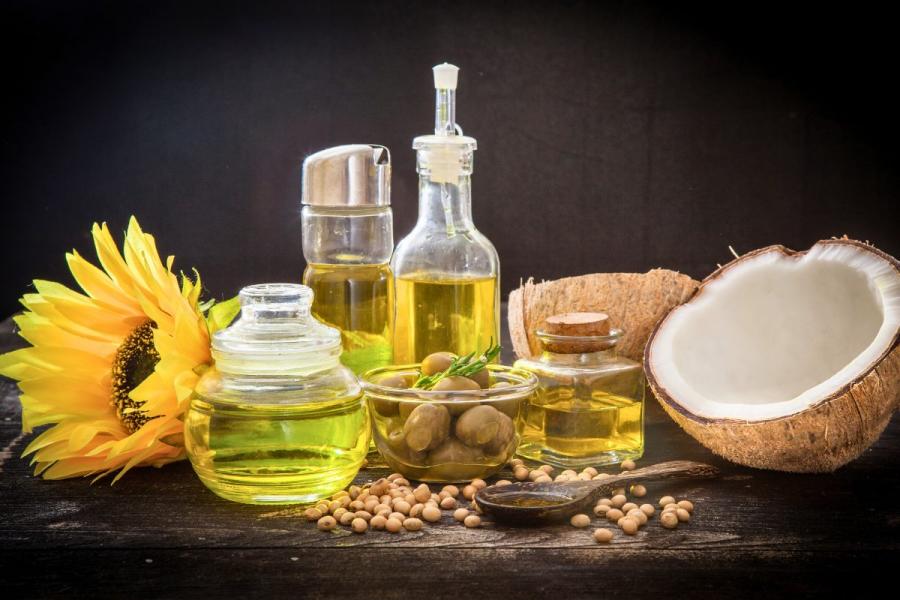
Choosing the best oils
For high heat cooking, such as deep frying, stir frying, or searing meats, it's important to use oils with a high smoke point to prevent burning and preserve flavor. Oils like avocado oil, peanut oil, sunflower oil, refined safflower oil or algae oil are excellent choices due to their ability to withstand high temperatures without breaking down. These oils are ideal for achieving crispy textures and caramelized flavors without imparting any unwanted burnt taste to your food.
For low heat cooking, like making salad dressings, dipping sauces, or lightly sautéing vegetables, oils with a lower smoke point are better suited. Extra virgin olive oil, with its fruity and robust flavor, not only enhances the taste of your dishes but also provides nutritional benefits. Similarly, toasted sesame oil can add a rich, nutty aroma and depth to Asian-inspired dishes, marinades, or finishing touches on stir-fries.
For baking and roasting vegetables, it's essential to choose oils with a high smoke point and a mild flavor that won't overpower the dish. Canola oil is versatile and affordable, making it a popular choice for baked goods like cakes and muffins. Coconut oil, on the other hand, adds a subtle sweetness and works well in both savory roasted vegetables and desserts, especially those with tropical or nutty undertones.
For finishing dishes and adding a burst of flavor, specialty oils with distinct flavor profiles can elevate your culinary creations. Truffle oil, for instance, lends an earthy, luxurious aroma to pasta, mashed potatoes, and risottos. Walnut oil, with its rich, nutty flavor, is perfect for drizzling over salads, roasted vegetables, or even adding complexity to desserts like cakes and cookies.
For health-conscious consumers, choosing oils rich in monounsaturated and polyunsaturated fats is key to promoting heart health and overall well-being. Extra virgin olive oil is celebrated for its anti-inflammatory properties and high levels of antioxidants, making it a staple of the Mediterranean diet. Avocado oil, another nutrient-dense option, is packed with vitamin E and healthy fats, making it a versatile choice for everything from sautéing to drizzling over dishes. Incorporating these oils into your diet can help reduce bad cholesterol levels, support brain health, and provide essential nutrients for optimal health.