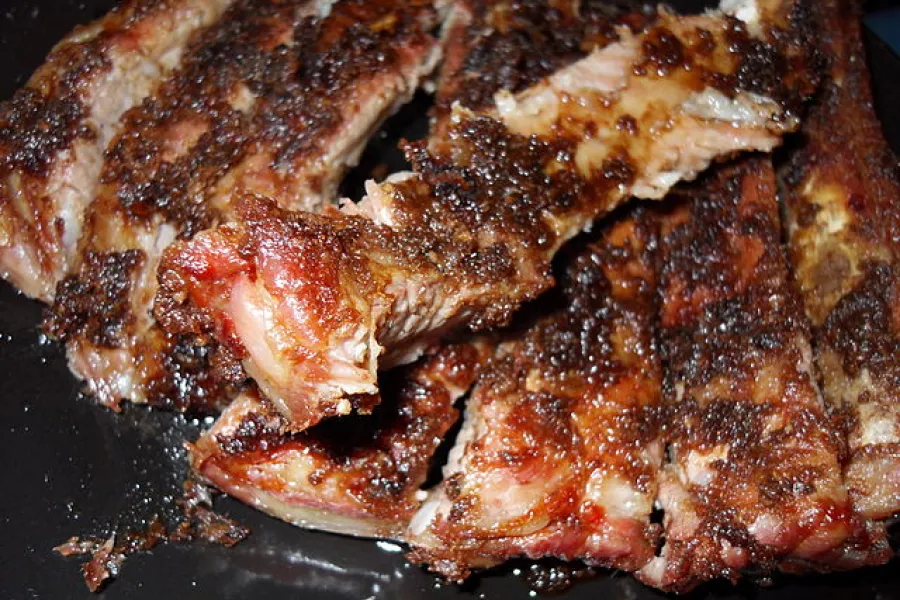
When barbecue season is in full swing, BBQ ribs are the most popular choice of all. But as the Fourth of July and other big grilling days approach, you might want to try something a little different, too.
Recipes for gas grills, electric grills or a backyard fire pit
When barbecue season arrives, the air is full of the aromas of every grilled food imaginable. No doubt you have your most reliable, favorite grilling recipes ready to thrill your family every weekend. If you can ignore your mother-in-law's comments and your neighbors drooling over the fence, why not try some new and simple ideas?
Ribs
We all have our favorite meats for grilling, and in my family, ribs come first. For easy, tender ribs, place them in a pan large enough for them to lie flat, pour apple or pineapple juice over them and cover with foil. Bake in a 300°F oven for about 2 hours, until tender, then finish them on the grill, brushing with your favorite sauce and turning a couple of times until glazed. They will be tender enough to fall off the bone. Some cooks simmer ribs on the stovetop before grilling instead, but slow baking keeps more flavor in the meat. For "authentic" ribs like the ones at rib joints, cook them low and slow over indirect heat with wood smoke; see our BBQ rib recipe.
More ideas for the grill
- Pork chops: mix 1 part pineapple juice with 2 parts of your favorite barbecue sauce and baste the chops every few minutes while they grill.
- Burgers: add ¼ cup applesauce to each pound of ground beef, season with salt and pepper, and grill over hickory chips for a fuller, smokier flavor.
- Chicken: bone-in, skin-on pieces stay juicier on the grill. Brush on sauce only during the last few minutes of cooking, since the sugar in it burns easily. If you prefer it skinless, remove the skin after cooking and then brush with sauce.
- Ham: grill a few pineapple slices alongside.
- Steak: try a simple lemon pepper marinade, or an easy one with brown sugar.
Grilling vegetables
If you're not a carnivore, or would like to introduce your family and friends to another food group, grill some vegetables. Roast corn on the cob with caramelized garlic, or brush asparagus and halved baby red potatoes with olive oil, sprinkle with a little tarragon and grill until tender.
Foil packets are easy and almost foolproof:
- Red onions: peel and slice, season with a little salt and pepper, add a pat of butter and wrap in foil. They come out so sweet you'll have to swear you didn't add sugar.
- Zucchini and yellow squash: cut into ½-inch slices, alternate them in the foil, season, add a pat of butter and wrap.
Most vegetable packets take about 20 minutes; turn them every 5 minutes. Potato wedges take longer, so start them first or bake them in the oven.
Side dishes
If your family is anything like mine, side dishes are the first to go, sometimes before the grilling is even finished. Classic picnic dishes like deviled eggs, potato salad and baked beans go even faster with a little added flair. Top deviled eggs with diced ham and capers. Boil potatoes with garlic and fresh dill, then stir a little sweet relish into the finished salad. Add some honey to your favorite baked bean recipe.
A garden salad and coleslaw are always welcome. I like to serve a garden salad with edible flowers, which always gets people talking; the few brave souls willing to eat a flower usually decide it's a must at every barbecue. You can even decorate a chocolate cake with them. If you try edible flowers:
- Use only flowers you can identify with certainty as edible, and grown without pesticides. Buy them from a grocery store or farmers market that sells them for eating, or grow your own. Never use flowers from a florist or garden center, which are usually treated with chemicals.
- Pick flowers at their peak, fully open; closed blossoms can be bitter.
- For most flowers, eat only the petals, and remove the pistils and stamens.
- Introduce new flowers slowly, in small amounts, in case of allergies.
Gas, electric or charcoal?
Which grill is best comes down mostly to taste and convenience. Gas and electric grills heat quickly, are easy to control and clean, and burn more cleanly than charcoal. Charcoal and hardwood give that classic smoky flavor. Charcoal briquettes are made from charred wood and sawdust pressed together with a starch binder; some are pre-soaked in lighter fluid to make them easier to light, so let the coals burn until they are covered in gray ash before you start cooking. A chimney starter lets you light charcoal without lighter fluid. If you like a smoky flavor on a gas grill, add soaked hickory or other hardwood chips in a smoker box.
High-temperature grilling, especially when fat drips onto the flames and meat chars, can form compounds linked with cancer in laboratory studies. To reduce them, trim excess fat, avoid long cooking over very high flames, cut off charred bits, and flip meat often. Marinating meat before grilling may also help.
Basic BBQ rules
- Use a food thermometer. The US Department of Agriculture recommends cooking poultry to 165°F, burgers and other ground meat to 160°F, and steaks, chops and roasts of beef, pork, veal and lamb to 145°F, followed by a 3-minute rest.
- Keep raw and cooked separate. Never put cooked meat back on a plate that held raw meat, and use separate utensils.
- Don't reuse marinade that touched raw meat as a sauce unless you boil it first.
- Keep food cold until grilling, and don't leave cooked food out for more than 2 hours, or 1 hour on a hot day above 90°F.
- Grill safely. Keep the grill well away from the house and overhanging branches, never leave it unattended, and keep children and pets at a safe distance.
- Know when to say enough, and keep portions moderate.
Plan your menu a few days ahead, and the only thing left to worry about is which relative will insist on lighting the grill for you. Have a tasty and safe barbecue season!
Sources
- Safe minimum internal temperature chart (US Department of Agriculture)
- Chemicals in meat cooked at high temperatures and cancer risk (National Cancer Institute)