The Einspänner
Vienna’s carriage coffee goes global.
Few drinks have travelled as far, or changed as much along the way, as the Einspänner. It started as a practical solution for 19th-century Viennese coachmen. It became a cornerstone of the city’s famous coffee house culture. And then, more than a century later, it went viral on TikTok, was reinvented by Seoul’s cafés, and turned up on menus in Los Angeles, New York, and San Francisco. The drink is simple. The journey is anything but.
A drink built for one hand
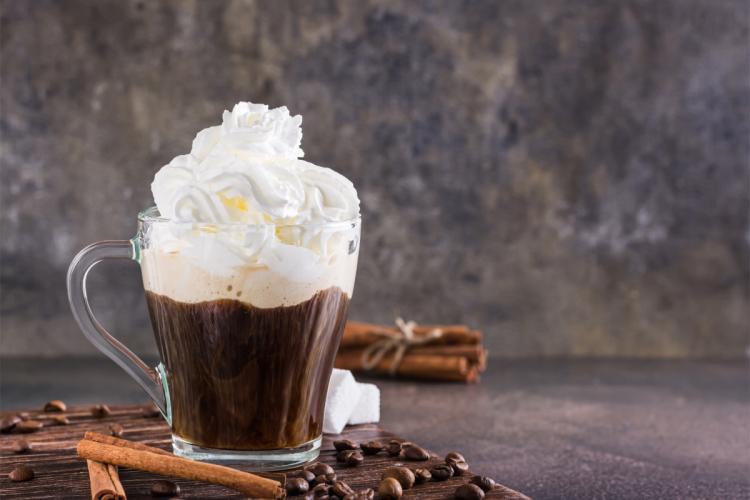
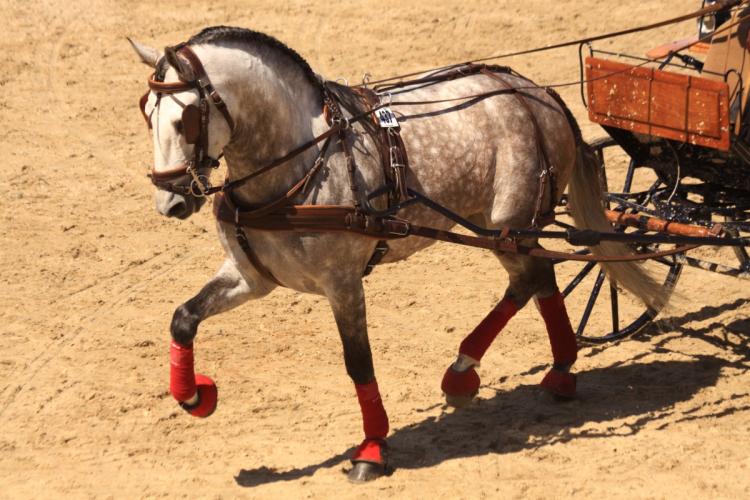
Einspänner means ‘one-horse carriage’ in Austrian German — the Fiaker, the horse-drawn cab that was once as common on Vienna’s streets as a taxi is today. The coachmen who drove them needed coffee to stay alert on long, cold shifts, but they also needed one hand free for the reins. A regular cup was too precarious and cooled too fast. The solution was a thick cap of whipped cream on top, which insulated the coffee against the cold air and kept it from splashing when the carriage moved.
The cream was not meant to be stirred in. You drink an Einspänner by sipping the hot coffee up through the cool cream, tasting both at once. The contrast — bitter and hot below, sweet and cool above — is the whole point of the drink. It is one of those combinations that sounds almost too simple and turns out to be exactly right.
The drink moved from the street into Vienna’s coffee houses, where it became a fixture alongside the Melange, the Verlängerter, and the rest of the city’s elaborate coffee lexicon. Viennese coffee house culture was eventually recognised by UNESCO as an Intangible Cultural Heritage, and the Einspänner remains one of its most characteristic expressions: coffee served with ceremony, in a clear glass, on a small silver tray, with a glass of water on the side.
The one rule
Every Viennese barista will tell you the same thing: do not stir. The Einspänner is not a coffee with cream mixed in — it is a layered drink, and the layer is the whole experience. Sip through the cream. Let the temperature contrast and the flavour contrast do their work. The cream softens as it warms, the coffee cools slightly at the surface, and somewhere in the middle the two meet in a way that neither achieves alone.
The traditional recipe uses a double espresso or a strong black coffee, lightly sweetened whipped cream, and a dusting of cocoa powder. That’s it. See our traditional Viennese Einspänner recipe for the full details.
How Seoul made it its own
South Korea has one of the most competitive and creative café cultures in the world, with more than 70,000 cafés in operation and a customer base that expects both exceptional quality and striking visual presentation. When the Einspänner arrived, it found the perfect environment.
The Korean version keeps the essential idea — coffee topped with a generous layer of cream — but reworks almost everything else. The coffee is cold brew or iced espresso rather than hot. The glass is filled with ice. And the cream is thicker, denser, and sweeter than the traditional Viennese style: whipped to a consistency that the most devoted fans describe as resembling melted ice cream, it sits on top of the cold coffee in a distinct, velvety cloud that barely moves when you tilt the glass.
The visual contrast — dark coffee, white cream, a dusting of cocoa or cinnamon — is exactly the kind of thing that stops a scroll. TikTok played a significant role in spreading the drink internationally, and Korean café culture has pushed it further, into flavoured territory: pistachio cream, strawberry matcha, Uji matcha, black sesame. Cafés in Seoul’s Yongsan district and beyond have built entire identities around cream-topped drinks, with the Einspänner as the anchor.
What is notable is how few Korean cafés serve the hot version at all. The iced Einspänner is the standard; the original is the variation. A drink that began as insulation against a Viennese winter has become a summer staple in a city where the cold version makes more intuitive sense.
From Seoul to your neighbourhood
The Korean iced Einspänner has followed the path of other K-café trends — dalgona coffee, the cloud latte, the fruit ade — out of Seoul and into cities worldwide. Specialty coffee shops in Los Angeles and New York were early adopters; by 2025, Bay Area cafés in San Francisco were embracing cream-topped drinks as a category in their own right, with the Einspänner at the centre.
Part of the appeal is that it is genuinely easy to make at home. You do not need specialist equipment, unusual ingredients, or barista training. Cold brew or a strong espresso, heavy cream, a hand mixer, and five minutes are enough. The home version is as good as most café versions, which is not something you can say about many drinks with this much visual appeal.
For the home version, see our Korean iced Einspänner recipe, which includes a latte variation and flavoured cream options.
The flavoured cream variations that Seoul's cafés have made their own are equally easy to recreate at home. Matcha is the most popular, its grassy bitterness plays off the sweetness of the cream and the depth of the coffee in a way that feels completely natural.
One drink, two ways
The hot Einspänner and the Korean iced version are different enough to feel like separate drinks, and similar enough that you can see the line between them clearly. Both centre on the same idea: that coffee and cream are better kept apart, sipped together, than blended into one. Vienna arrived at that idea out of necessity. Seoul arrived at it through aesthetics. The result, in both cases, is worth making.