
Summer berries
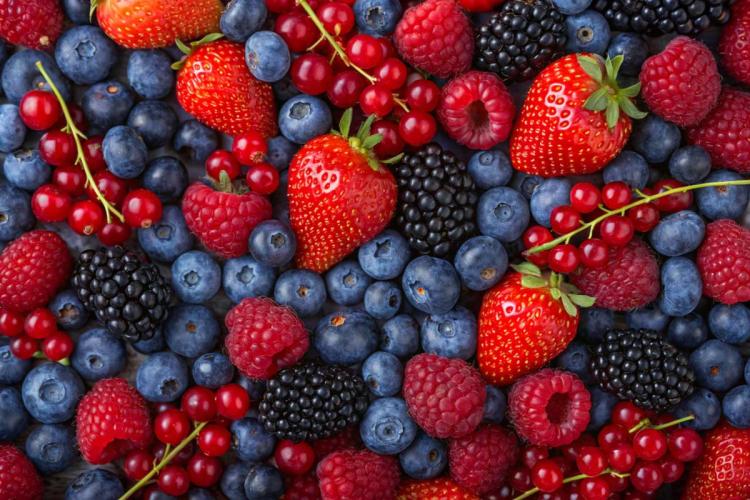
A wide variety of berries ripen during the summer months, their flavor and juices help to keep us chill during the hot weather.
From the first strawberries of June to the last blackberries of September, summer's berries are among the most rewarding things to eat — intense, fleeting, and almost impossible to improve upon.
Summer berries need almost no help. A handful of raspberries over yogurt, a bowl of strawberries with a little cream — these are already perfect. But knowing your berries well, choosing them right, and having a few ideas up your sleeve turns something simple into something genuinely memorable.
This guide covers everything: which berries peak when, how to choose and store them, how to freeze them, their considerable health credentials, and a range of ways to serve them — from a bowl of fruit with a glass of something chilled to a proper berry fool.
The summer berry season
Not all summer berries arrive at once. The season unfolds from June through September, with each variety at its best for only a few weeks.
| When | What's at its best |
|---|---|
| Early summer June | Strawberries, gooseberries, early raspberries |
| Midsummer July | Raspberries, red and white currants, blueberries, loganberries, cherries |
| Late summer August – September | Blackberries, black currants, elderberries, late blueberries, mulberries |
Buying in season makes a significant difference. A strawberry in June and a strawberry in November are not the same fruit. If you find a variety at peak ripeness, buy more than you need — they freeze beautifully (see below).
Choosing berries
Berries usually come in small transparent containers, which makes it hard to assess quality from the top. Tilt the container and look at the underside. Some juice staining is normal, but excessive pooled liquid at the bottom means the fruit underneath is overripe or beginning to break down. One moldy berry in a container will affect the rest within a day.
Storing, washing, and freezing
Storing
As soon as you get home, transfer the berries to a plate or shallow container and remove any damaged or moldy fruit immediately. A single bad berry left in contact with good ones will spoil the rest quickly. Refrigerate uncovered or loosely covered for air circulation, and use within two days. Don't wash them until just before you need them — moisture accelerates deterioration.
Washing
Place berries in a colander and dip briefly in cold water two or three times, or rinse gently under a slow-running tap. Don't soak them — berries absorb water easily and become waterlogged. Drain thoroughly and pat dry on a clean kitchen towel. Remove caps, hulls, or stems just before serving.
Freezing berries
Berries freeze extremely well and losing none of their flavor or color. The only trick is freezing them individually first, so they don't clump.
- Wash and dry the berries thoroughly — any moisture will cause them to stick together.
- Spread in a single layer on a baking sheet lined with parchment and freeze for 2–3 hours until solid.
- Transfer to freezer bags or containers, pressing out as much air as possible. Label with the date.
- Frozen berries keep well for up to a year. Use straight from frozen in smoothies, cooked desserts, and sauces. For eating fresh, thaw slowly in the fridge — they will be softer than fresh, but the flavor is excellent.
Why berries are good for you
The old phrase "loaded with antioxidants" doesn't quite capture it. Berries are among the most nutritionally dense fruits you can eat, and the research on their health properties has grown considerably over the past decade.
What's in them
- Anthocyanins — the pigments that give dark berries their color. Associated with reduced inflammation and cardiovascular benefits. The darker the berry, generally the higher the concentration.
- Vitamin C — blackcurrants contain several times more vitamin C than oranges, gram for gram. Strawberries, raspberries, and elderberries are also excellent sources.
- Fiber — important for gut health and sustained energy. Raspberries and blackberries are particularly high in fiber relative to their size.
- Polyphenols — plant compounds linked to reduced risk of type 2 diabetes, cognitive decline, and heart disease. Blueberries have been especially well studied for their polyphenol content.
- Folate and potassium — present in useful amounts in strawberries and blackberries, supporting heart health and cellular function.
One practical note: the polyphenols and vitamin C in berries are concentrated in and just beneath the skin, so eating them whole (or only lightly processed) is better nutritionally than juicing them.
Berries at the table
Perfectly ripe berries at the height of summer need very little. Sugar and cream is a complete dessert. A few drops of lemon or orange juice sharpens flavor and brings out the natural sweetness. Below are some ideas ranging from effortless to slightly more composed.
- Serve in small bowls with whipped cream, crème fraîche, or good vanilla ice cream.
- Spoon over cottage cheese and finish with a little brown sugar — unexpectedly good.
- Halve or slice strawberries or raspberries and pour over freshly squeezed orange juice. Leave for 10 minutes before serving; the juice draws out the berry liquid and creates its own sauce.
- Fill tall glasses with mixed berries and sliced ripe peach. Add a strip of orange zest and a splash of juice. For a celebration: pour over chilled cava or prosecco and serve immediately.
- Fill a halved cantaloupe melon with raspberries and sliced strawberries. Sprinkle with sugar, add a splash of Cointreau or Grand Marnier, and serve over crushed ice.
- Slice strawberries and bananas together. They combine remarkably well — the banana tempers the acidity and the strawberries brighten the banana's heaviness.
- For children: halved strawberries in a bowl of cold sweet milk, left in the fridge for 30 minutes to infuse — a classic in many European households.
- Layer berries and whipped cream between cake layers, or use as a filling for meringues and pavlova.
"A few drops of lemon juice over a bowl of mixed berries does more than sugar alone — it sharpens what's already there rather than covering it."
Simple berry recipes
A berry purée opens up a whole range of quick desserts. Make it by blending ripe berries — overripe ones work perfectly here — then pressing through a coarse sieve to remove seeds. Taste and add a little sugar and a squeeze of lemon juice as needed. The purée keeps refrigerated for three days and freezes well.
Cooking and preserving berries
Beyond fresh eating, summer berries repay a little more effort in the kitchen. Their high pectin content — especially in currants and gooseberries — makes them ideal for jams and jellies that set well without added pectin. A simple summer jam needs only berries, sugar (roughly equal weights), and lemon juice; cooked to setting point, it will keep for a year in a sealed jar.
For a quicker result, a berry compote — berries simmered briefly with sugar and a splash of water — keeps in the fridge for two weeks and goes with almost everything: porridge, pancakes, roast meat, cheese boards, and ice cream.
Cobblers and crumbles are the most forgiving baked berry desserts. Tart berries like gooseberries, black currants, and underripe blackberries that aren't worth eating raw come into their own here, their sharpness balancing the sweet crumble topping.
Elderberries deserve special mention for preserving. Elderberry cordial or syrup — made by simmering the berries with sugar, water, and spices — is one of the most useful pantry preparations you can make in late summer. Use it in drinks, drizzled over desserts, or taken by the spoonful.
Berries and wine
Few things suit a summer berry dessert better than the right glass of wine. The key is sweetness balance — the wine should be at least as sweet as the fruit, or the wine will taste thin and sour by comparison.
Strawberries and sparkling wine — the classic pairing. Champagne or good cava with strawberries and cream is hard to argue with. The acidity and bubbles cut through the cream and lift the berry flavor. A rosé sparkling wine is especially flattering.
Raspberries and Moscato d'Asti — the delicate effervescence and low alcohol of this lightly sweet Italian wine pairs beautifully with raspberries. It also works well with strawberry desserts.
Blackberries and late-harvest red — the deep, jammy character of a late-harvest Zinfandel or a Banyuls from southern France mirrors the intensity of ripe blackberries and works particularly well with a chocolate element in the dessert.
Mixed berries and Sauternes or Monbazillac — a classic French dessert wine with enough body and sweetness to stand beside a rich berry cream or fool. A smaller pour goes a long way.
No wine? Try elderflower cordial — a well-made elderflower cordial diluted with cold sparkling water is one of the most complementary non-alcoholic pairings for summer berries. Its floral sweetness doesn't compete with the fruit.
Berry tips
Keep your berries on top when grocery shopping, they are easily crushed.
Look for a "pick your own fruit" place close to you. This way you will be sure the berries are in top condition. Pool with friends and share the fruit or preserve excess fruit yourself.
Keep the summer sun always on your table by using frozen and canned berries, available in all seasons. Berries quick frozen at peak moment retain almost all their vitamins and antioxidant power. They are fantastic for smoothies, mousses, and ice creams. Canned fruit makes a great pie filling.