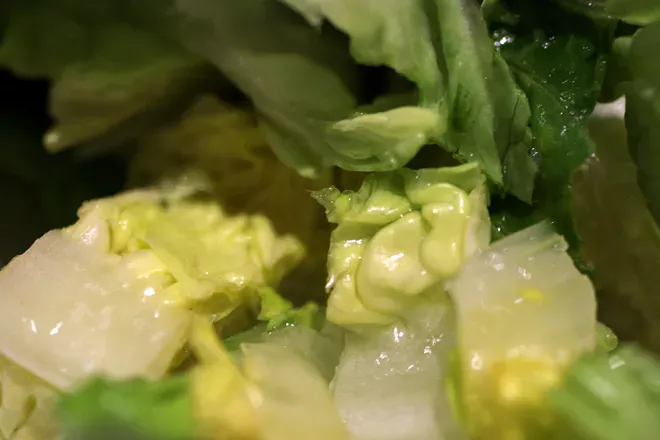
Most of us eat some raw food every day: an apple, a salad, a handful of nuts, sliced tomatoes on a sandwich. Raw fruit and vegetables are an easy way to eat more produce, and they need little preparation. But "raw" isn't automatically healthier, some raw foods carry real food poisoning risks, and an all-raw diet takes careful planning.
Easy ways to eat more raw produce
- Salads of leafy greens, tomatoes, cucumbers, peppers, carrots, radishes and herbs.
- Crunchy snacks such as carrot, celery and pepper sticks or broccoli florets with hummus or a yogurt dip.
- Fruit as a snack or dessert, on cereal or yogurt, or in a fruit salad.
- Smoothies made with fruit, a handful of spinach and milk or yogurt.
- Slaws and salsas, such as cabbage slaw or a fresh tomato and onion salsa.
- Nuts and seeds, in small handfuls.
Whole fruit is more filling than juice, because juicing removes most of the fiber. Frozen fruit and vegetables are a convenient, nutritious option; freeze fresh produce in airtight freezer bags if you have more than you can use.
Raw or cooked?
Raw and cooked foods each have advantages. Some vitamins, such as vitamin C and folate, are partly lost when food is cooked, especially if it's boiled. But cooking makes other nutrients easier to absorb: cooked tomatoes provide more lycopene, and cooked carrots and spinach more beta-carotene. Cooking also softens fiber, which some people find easier to digest, and makes beans, grains and potatoes edible in the first place. The healthiest approach is simply to eat plenty of fruit and vegetables, both raw and cooked.
Raw foods that need care
Cooking kills harmful bacteria, so some foods are riskier raw. This matters most for young children, older adults, pregnant people and anyone with a weakened immune system.
- Fresh produce. Rinse fruit and vegetables under running water before eating, cutting or peeling them, even if you won't eat the peel. Don't use soap. Cut away damaged or bruised parts, and refrigerate cut produce.
- Raw sprouts, such as alfalfa and mung bean sprouts, have been linked to many outbreaks of Salmonella and E. coli, because the warm, humid conditions they grow in also suit bacteria. People at higher risk should eat them only cooked.
- Raw flour and dough. Flour isn't treated to kill germs, so don't eat raw cookie dough or batter, and keep children from playing with raw dough.
- Raw milk and raw-milk cheeses can carry dangerous germs; choose pasteurized. Read more in is dairy good for you?
- Raw or undercooked meat, poultry, eggs and seafood, including raw oysters, carry well-known risks.
- Unpasteurized juice can carry harmful bacteria.
- Raw kidney beans contain a natural toxin and must be boiled thoroughly before eating.
What about an all-raw diet?
Some people follow a "raw food diet," eating mostly or only uncooked, unprocessed plant foods. It is usually high in fruit, vegetables and fiber and low in processed food, which is all to the good. But it is restrictive and hard to follow, and it can make it difficult to get enough calories, protein, vitamin B12, vitamin D, calcium, iron, zinc and omega-3 fats. Claims that cooking "kills enzymes" the body needs are not supported: the body makes its own digestive enzymes, and it digests the enzymes in food like any other protein. Dehydrated foods, a staple of raw diets, are concentrated sources of sugar and calories.
An all-raw diet isn't suitable for children, pregnant women or people with certain health conditions. If you are considering one, talk to your doctor or a registered dietitian first, and read about planning a vegan diet.
Sources
- Raw flour and dough (US Centers for Disease Control and Prevention)
- Handling flour safely: what you need to know (US Food and Drug Administration)
- Talking about juice safety (US Food and Drug Administration)
Last reviewed November 2026.