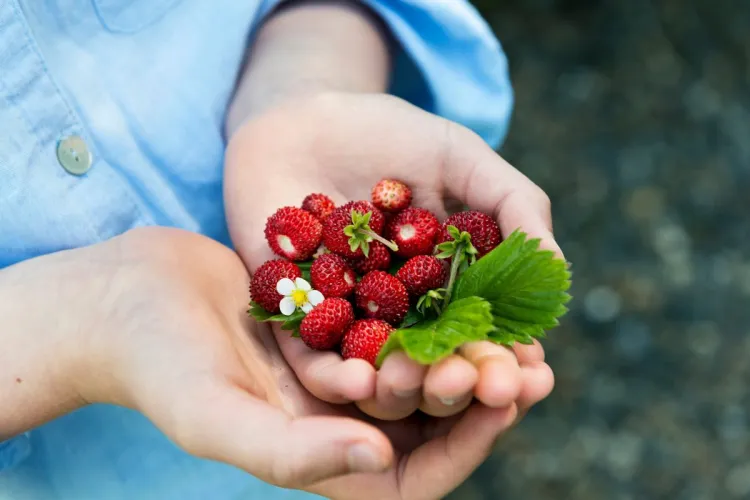
Picking wild berries on a summer walk is one of the pleasures of the outdoors. But many wild berries are poisonous, some look a lot like edible ones, and children are especially at risk. There is only one reliable rule: never eat a wild berry unless you are 100 percent sure what it is. If in doubt, leave it out.

Shortcuts that don't work
Several popular rules of thumb are unreliable, and following them can be dangerous:
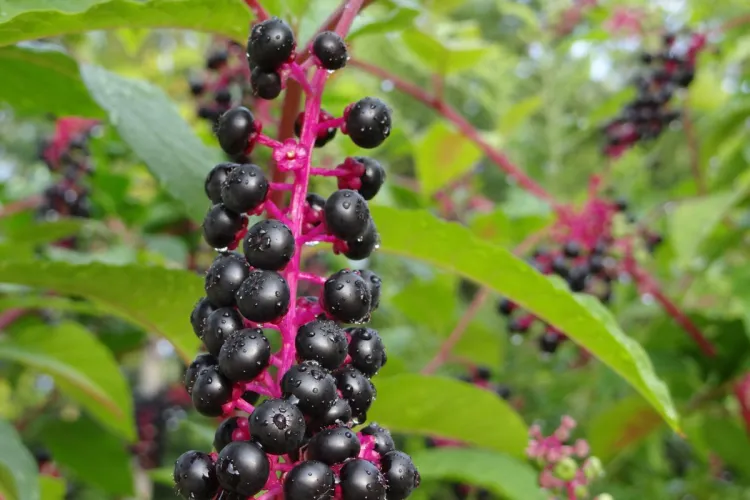
- Color rules. You may read that blue and black berries are safe and white, yellow or red ones are not. Some white and yellow berries are indeed poisonous, but many dangerous berries are blue, black or purple, including pokeweed and some nightshades, and many red berries, such as raspberries and wild strawberries, are edible. Color alone can't tell you whether a berry is safe.
- "Animals eat them." Birds and other animals eat many berries that are poisonous to people.
- "Edibility tests." Some survival guides suggest tasting a small piece of an unknown plant and waiting for a reaction. This is not safe: some poisonous berries cause serious harm in small amounts, and symptoms can be delayed.
- Taste. Some toxic berries taste sweet.
How to identify berries safely
- Learn from an expert. Join a guided foraging walk, or ask your state's Cooperative Extension office, a park naturalist or a local native plant society.
- Use reliable field guides specific to your region, and check more than one.
- Look at the whole plant, not just the berry: the leaves and how they are arranged on the stem, the stems (thorns, color, hairs), flowers if present, the growth habit (bush, vine, low plant), how the berries grow (singly or in clusters) and what is inside them.
- Be cautious with apps. Plant identification apps can be a useful starting point, but they make mistakes and should never be your only check.
- Start with the easiest berries. Many beginners stick to wild blackberries and raspberries, whose clustered, bumpy fruit growing on thorny canes is distinctive, and learn others gradually.
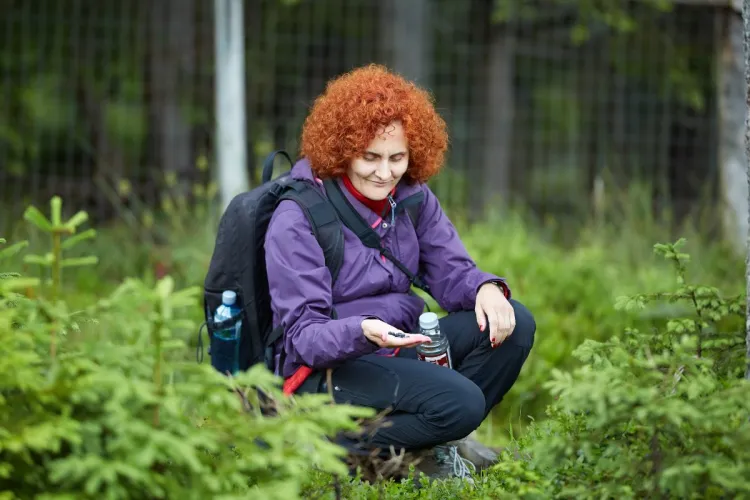
Common edible wild berries in North America
- Wild blackberries and raspberries, including black raspberries and dewberries, on thorny canes from midsummer.
- Wild strawberries, tiny but intensely flavored, on low plants with three toothed leaflets. Don't confuse them with mock strawberry, which has yellow (not white) flowers and bland fruit.
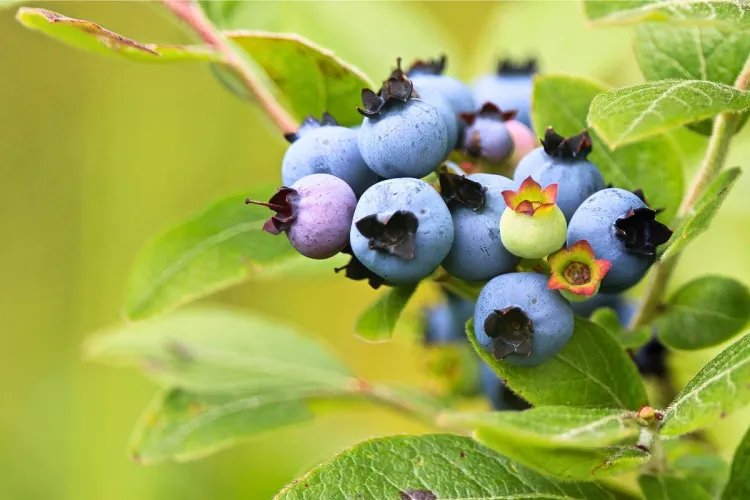
- Wild blueberries and huckleberries, low or tall shrubs with small, round berries, each with a small crown at the end opposite the stem.
- Mulberries, which look like long blackberries and grow on trees.
- Serviceberries (juneberries or saskatoons), small purple fruits on shrubs and small trees in early summer.
- Elderberries, small dark purple berries in flat-topped clusters. Only ripe berries should be eaten, and only cooked, in jams, syrups or pies: raw elderberries, and the stems, leaves, roots and unripe berries, can cause nausea, vomiting and diarrhea. Don't confuse them with water hemlock, a deadly plant with similar flat clusters of white flowers that grows in wet places.
Poisonous berries to know
These are some of the most common poisonous berries in the United States. Many are found in yards, gardens and parks as well as in the wild.
- Pokeweed: clusters of dark purple, juicy berries on bright magenta stems. All parts are poisonous, especially the roots and seeds.
- Nightshades, including bittersweet nightshade: small berries that ripen from green to red or black, on vines or bushy plants with star-shaped purple or white flowers.
- Holly: hard, bright red berries on shrubs with glossy, often spiny leaves.
- Yew: soft red berries with an open end showing a dark seed. The seeds and the leaves are highly toxic.
- Virginia creeper: blue-black berries on a vine with five-part leaves.
- Lily of the valley: orange-red berries that can affect the heart.
- Bittersweet (American and Oriental): orange-yellow capsules that split open to show red berries.
- Mistletoe: white berries.
- Others, including baneberry, moonseed, cotoneaster, jerusalem cherry, privet and English ivy.
Children and berries
Berries are a common cause of calls to poison control, mostly involving young children, who are drawn to bright, shiny fruit. Learn the names of the plants in and around your home and play areas, supervise young children outdoors, teach them never to eat anything from a plant without asking an adult, and keep decorative berries out of reach indoors.
If someone eats an unknown berry
Call Poison Control right away at 1-800-222-1222, or use the online tool at poison.org. Help is free, confidential and available 24 hours a day, and they can tell you whether you need medical care. Don't wait for symptoms. If the person is having trouble breathing, has a seizure or collapses, call 911. Keep a sample of the plant, ideally a piece with leaves and berries, to help identify it.
Foraging safely and responsibly
- Know the rules. Get permission on private land and check the rules in parks and public lands; some prohibit foraging.
- Pick from clean places, away from busy roads, sprayed areas, and places used by dogs.
- Take only what you'll use, and leave plenty for wildlife and for the plants to regenerate.
- Wash berries under running water before eating, and refrigerate them.
- Watch for poison ivy and ticks while you pick. Long sleeves, long pants and gloves help.

Enjoying your harvest
Like cultivated berries, wild berries are a good source of fiber, vitamin C and colorful plant compounds. Eat them fresh, scatter them over yogurt or oatmeal, or bake them into pies, crumbles and muffins. Most freeze well: spread them on a tray to freeze, then pack them in bags. Read more about summer berries.
Frequently asked questions
Are there poisonous berries that look like blueberries?
Yes. Some nightshade berries, Virginia creeper and pokeweed can be mistaken for blueberries by beginners. Blueberries grow singly or in small loose clusters on woody shrubs and have a small crown at the tip. If you're not sure, don't eat them.
How can you tell if a berry is poisonous?
You can't tell from color, taste or the fact that animals eat it. The only reliable way is to identify the plant with certainty, using expert help and good field guides.
What should I do if a child eats a wild berry?
Call Poison Control at 1-800-222-1222 right away, even if the child seems fine, and keep a sample of the plant.
Sources
- Fall berries only look edible (National Capital Poison Center, Poison Control)
- Poisonous berries (Children's Hospital of Philadelphia Poison Control Center)
- Foraging safely: lessons from the woods (North Dakota State University Extension)
Last reviewed November 2026.