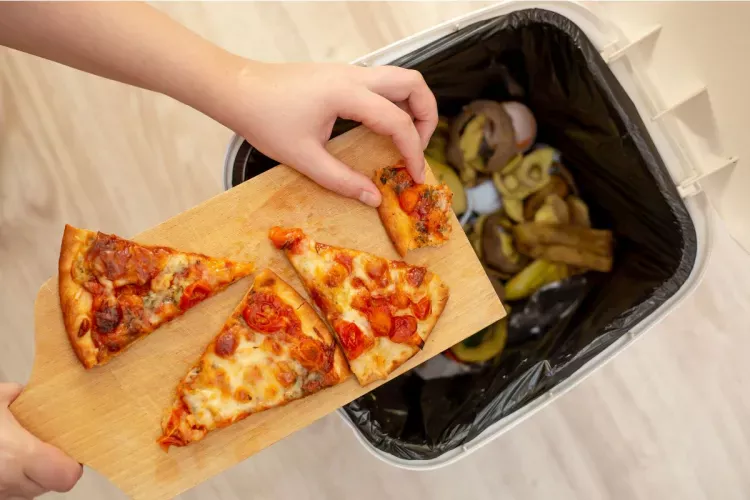
Every year, a staggering amount of perfectly edible food ends up in landfills, incinerators, and drains across the country. In the U.S., 40% of food produced goes uneaten - a reality that strains natural resources, accelerates global warming, and deepens food insecurity in communities that need relief most. The good news: whether you run a household, a restaurant, or a farm, there are concrete ways to reduce food waste starting today.
Key takeaways
- Up to 30–40% of the U.S. food supply is lost or wasted each year. The average family of four spends nearly $3,000 per year on uneaten food, while over 34 million Americans face food insecurity.
- Simple daily actions - creating a weekly meal plan, taking inventory before shopping, learning to store food properly, and freezing leftovers - can dramatically cut consumer food waste and save money at home.
- Businesses across the food system, from local farmers to grocery stores to caterers, can redesign operations to prevent food loss, donate surplus food, or feed animals instead of filling landfills.
- Food waste generates roughly 8–10% of global greenhouse gases, making waste reduction one of the fastest climate actions any individual or organization can take.
- National and global targets aim to cut food loss and waste by 50% by 2030, and readers can support progress through policy advocacy, food rescue volunteering, and community organizations.
Understanding food loss and waste
Food loss and food waste are related but distinct problems. Food loss occurs during production, harvest, storage, and transport - the stages before food reaches a store shelf. Food waste occurs at the retail and consumer levels: in grocery stores, restaurants, and homes where edible food is discarded rather than eaten.
Together, food loss and waste represents a massive failure in the food supply chain. The USDA and the Environmental Protection Agency estimate that roughly 30–40% of the national food supply goes unsold or uneaten each year.
Common causes vary by stage. On farms, cosmetic standards reject oddly shaped fruits and vegetables. In transport, inadequate climate control leads to food spoilage. Retailers overstock to appear abundant. At home, we overbuy, misread date labels, and forget leftovers in the back of the fridge. Measurement is still imperfect - different agencies use slightly different definitions - but newer protocols, including the Food Loss Index and Food Waste Index under UN SDG 12.3, are helping standardize tracking globally.
How much food is wasted and why it matters
The scale is difficult to grasp. In the U.S., 40% of food produced goes uneaten. In 2014, over 38 million tons of food waste was generated. Food waste costs the U.S. economy $161 billion annually. Globally, one-third of food produced is wasted - roughly 1.3 billion tons per year.
Translate those numbers into something tangible: reducing food waste by 15% could feed 25 million Americans who currently lack reliable access to nutritious meals. The contrast between too much food going to landfills and persistent hunger in communities across the country is stark.
Wasted food also means wasted resources. Every discarded apple or spoiled bag of greens carries embedded water, energy, fertilizer, and labor. Food waste accounts for 21% of municipal solid waste in the U.S. When that discarded food ends up in landfills, it decomposes without oxygen and releases methane - a greenhouse gas far more potent than carbon dioxide over the short term. Globally, food loss and waste is responsible for roughly 8–10% of all human-caused greenhouse gas emissions, placing it among the world's largest "emitters."
Common causes of food loss and waste across the food system
Food loss and waste happens from farm to fork, with different drivers at each stage of the food supply.
- Farms: Overproduction, low market prices, and labor shortages leave crops unpicked. Cosmetic standards mean imperfect produce - spoiled produce or merely oddly shaped - never reaches market. Understanding food labels at this stage is less relevant; the issue is economics and appearance.
- Manufacturers: Production processes involve frequent line changes, cleaning flushes, and packaging damage. Vegetable scraps and byproducts from trimming are often discarded even when still edible.
- Retail sector: Overstocking shelves, confusion over date labels like "best by" versus "use by," and rigid freshness standards cause safe, packaged foods to be thrown out before sale.
- Foodservice: Large portion sizes, buffet formats, inaccurate forecasting, and plate waste from uneaten food left by customers drive significant losses. Restaurants and cafeterias handle much food daily, so even small inefficiencies multiply.
- Homes: Impulse buying food, bulk deals on perishable foods, poor storage, and cultural norms favoring oversized meals but not leftovers fuel consumer waste.
Technology, infrastructure, regulations, and consumer expectations all intersect to create systemic barriers. Solutions must address both technical gaps and behavioral patterns throughout the food chain.
Practical ways to reduce food waste at home
Households are where individuals have the most direct control - and where quick wins are easiest to find. Reducing food waste at home can be achieved through better planning more than any single gadget or technique.
Take inventory. Assessing pantry stock before shopping prevents duplicate purchases. Once a week, scan your fridge, freezer, and pantry and jot down what needs to be used soon.
Plan meals. Creating a weekly meal plan is one of the most reliable strategies. Plan at least three to five dinners, factor in nights out or leftovers, and build a shopping list from that plan. Utilizing a meal plan can help avoid impulse purchases that lead to buying food you never cook.
Shop smart. Shopping with a list based on planned meals can reduce overbuying. Buy only what you expect to use. Be cautious with bulk deals on perishables, and consider buying imperfect produce - it tastes the same and helps reduce waste at the retail level. Visit a farmers market for loose quantities that match your actual needs.
Handle leftovers well. Cool and refrigerate prepared food within two hours - never leave perishable items out for more than two hours. Creating a designated "eat first" section in the fridge promotes using items before they spoil. Label containers with contents and dates.
Use it up. Designate one night a week for stir fries, soups, frittatas, or grain bowls that combine small amounts of vegetables, proteins, and grains. Cooking realistic portions reduces leftovers that may be wasted in the first place, but a "clean-out night" catches what remains.
Storing, freezing, and using food scraps wisely
Learning to store food correctly and freeze food before it spoils are among the most effective low-cost ways to prevent food spoilage at home.
Storage basics:
- Keep leafy greens in breathable containers lined with paper towels.
- Store potatoes and onions in a cool, dark place - not in the fridge.
- Leave tomatoes and bananas at room temperature.
- Keeping your refrigerator at or below 40°F helps minimize food waste and keeps perishable foods safe longer.
Freezing: Using the freezer can preserve food and extend its shelf life dramatically. Freezing excess ingredients before spoilage is an effective strategy - freeze bread, cooked grains, meat, and leftovers in airtight containers or freezer bags. Freeze food in portions (single-serving soups, sliced fruit for smoothies) so you thaw only what you need, producing less food waste overall.
Food scraps: Reusing vegetable scraps to make broth can minimize waste - save carrot peels, onion ends, and celery tops in a freezer bag, then simmer into soup stock. Stale bread becomes croutons or bread pudding. Soft fruit turns into compotes. These cooking methods stretch ingredients further and help you eat less food that would otherwise be discarded.
Composting: For unavoidable scraps and non-edible parts, composting food scraps can reduce overall waste. Composting can keep food waste out of landfills, returning nutrients to soil instead of producing methane. Check whether your city offers curbside food scraps collection or a community drop-off site.
Reducing food waste in businesses and institutions
Restaurants, cafeterias, grocery stores, and food manufacturers handle enormous volumes - so even small percentage improvements prevent wasted food on a large scale.
Restaurants and foodservice: Conduct waste audits to see where excess food accumulates. Adjust portion sizes, offer smaller plate options, and improve demand forecasting. In Alameda County, California, Just Fare reduced overproduction by 96%, preventing 4.5 tons of pre-consumer waste and saving roughly $35,000. Donate safe surplus food to hunger relief organizations.
Retailers: Better inventory management - including the first-in, first-out method, which ensures older items are used first - reduces spoilage. Dynamic pricing at discounted prices for near-date items, clearer date labels, flexible cosmetic standards, and partnerships with food banks or surplus apps help keep edible food in the food supply rather than in dumpsters.
Manufacturers: Redesigning production processes to reduce byproduct waste, finding markets for trimmings, and partnering with animal feed producers or upcycling companies turns waste streams into valuable resources. The food industry increasingly recognizes that waste prevention protects margins and reputation alike.
Staff training on storage, temperature control, and the difference between quality-based and safety-based dates is essential at every level. Voluntary commitments to national 2030 food loss and waste reduction goals and transparent reporting encourage industry-wide progress.
The environmental impact of food waste and why it's a climate issue
Wasted food means wasted resources and added pollution at every step - farm, factory, truck, store, and landfill. Food production requires water, fuel, fertilizers, pesticides, electricity, and packaging, all generating greenhouse gases before food even reaches consumers.
When food decomposes in landfills without oxygen, it produces methane - a gas with a heat-trapping effect many times greater than carbon dioxide over a 20-year span. Food waste accounts for 21% of municipal solid waste in the U.S., making landfills a significant source of climate-warming emissions. The climate crisis demands that we address this.
The EPA provides a food recovery hierarchy for managing excess food, and it places prevention at the very top - above donation, animal feed, composting, and landfill. Prioritizing waste prevention rather than relying only on downstream solutions like recycling delivers the greatest environmental impact: conserving freshwater, protecting biodiversity, reducing water pollution, and lowering energy demand for cold storage and transport.
Food rescue, donation, and feeding animals
Food rescue means redirecting safe surplus food from farms, manufacturers, and retailers to community organizations that feed people facing food insecurity - instead of sending it to waste.
Local food banks, food pantries, and meal programs partner with growers, grocery chains, and restaurants to collect surplus items like day-old bread, unsold produce, and prepared meals. Your local food pantry may accept donations you hadn't considered. In the U.S., "Good Samaritan" laws protect donors acting in good faith, reducing liability concerns.
Technology helps: apps and platforms now match businesses with nearby charities that can collect surplus food on short notice. Divert, Inc. has helped major grocery retailers divert over 230,000 tons of inedible food from landfills through collection infrastructure, composting, and anaerobic digestion.
Certain byproducts not suitable for people can still feed animals. Bakery leftovers, produce trimmings, and brewery grain serve as animal feed, reducing the need for other feed crops. Seek partnerships with local farmers or animal operations - turning what would be discarded food into a resource strengthens the broader food system.
Policies, targets, and systemic change
Individual actions matter, but meeting global goals requires coordinated systemic change. In 2015, the united states government set a national target to cut food loss and waste by 50% by 2030, aligning with United Nations Sustainable Development Goal 12.3. That same year, in 2015, the USDA and EPA launched the Food Waste Challenge to galvanize action across the food supply chain.
In June 2024, the federal government released a National Strategy to Reduce Food Loss and Waste and Recycle Organics, backed by nearly $200 million in infrastructure funding. Policy tools include standardized date labeling rules, tax incentives for donation and composting, liability protections, and support for data collection.
Better baseline data is crucial. EPA estimates and improved measurement protocols help track progress and direct investment to the most effective solutions. Local governments play a role too - many are expanding curbside food scraps collection and funding community compost programs.
Support policies that prioritize waste prevention, food rescue, and climate-friendly waste management. When households and businesses find it easier to do the right thing, the entire food system benefits.
Simple steps you can take today
You don't need to overhaul your life to prevent food waste. Start with a few habits this week and build from there.
- Plan meals: Sketch out at least three dinners, shop with a list, and designate one "leftovers night" to clear the fridge. You will save money almost immediately.
- Track your waste: For one week, write down or photograph what food you throw away. Tracking what food is thrown away helps identify waste patterns and reveals where to focus.
- Organize your fridge: Set up an "eat soon" shelf at eye level for near-date items and open containers. This simple change prevents good food from being forgotten.
- Explore community options: Check if your city offers food scraps collection or compost drop-off, and find at least one local food bank you could support with time, money, or surplus food.
Even small changes, scaled across millions of households and thousands of businesses, add up to major reductions in waste, greenhouse gases, and hunger. The food waste challenge is enormous, but every meal plan, every labeled freezer bag, and every donation to a local food pantry moves us closer to a food system that wastes less food and feeds more people.
Some questions about reducing food waste
Below are answers to common practical questions that go beyond the main sections above.
Is it safe to eat food past the "best by" or "best if used by" date?
"Best by" and "best if used by" dates usually refer to quality, not safety. Many foods remain safe to eat after these dates if you store food properly. Check for signs of spoilage - off smells, visible mold, or unusual texture - before discarding.
"Use by" on certain perishable foods like fresh meat, dairy, and seafood is more closely tied to safety and should be taken seriously. Infant formula is a specific exception with federally regulated dates that should always be followed strictly.
Understanding food labels is crucial to prevent waste. Much food is thrown away simply because a household misreads a quality date as a safety deadline.
What foods can I safely freeze, and for how long?
Most foods can be frozen safely, including bread, cooked grains, soups, stews, raw and cooked meats, and many fruits and vegetables, though texture may change after thawing.
General time frames for best quality:
- Leftovers and baked goods: about 3 months
- Ground meats: 3–4 months
- Whole cuts of meat: up to 6–12 months when well wrapped
Label containers with the date and contents. Freeze food in thin, flat portions for faster freezing and thawing, and always thaw in the refrigerator or microwave rather than on the countertop for food safety.
How can I reduce food waste if I'm cooking for one or two people?
Plan smaller recipes or halve standard ones, and freeze extra portions in single servings for quick future meals. Buy loose produce rather than large multipacks at grocery stores, choose smaller loaves of bread, and use bulk bins to purchase only what you need of dry goods.
Create a weekly "clean-out" routine to use up small amounts of ingredients - a soup, a stir-fry, or a grain bowl works well. Keep a simple inventory list on your fridge to avoid forgetting what's already in the house.
What should I do with food I can't eat but don't want to send to landfill?
If the food is still safe, donating it to local food banks, community fridges, or mutual aid groups is often the best option. This directly supports people facing food insecurity.
For inedible scraps or spoiled items, composting through backyard systems, worm bins, or municipal programs is ideal. Some areas accept food scraps alongside yard waste. Check local government websites for guidelines on what's accepted in your area's composting services. Composting can keep food waste out of landfills and returns nutrients to the soil.
How does reducing my household food waste really make a difference globally?
Household waste is a major portion of total food waste in high-income countries, so cutting personal waste directly lowers demand for resources and reduces emissions across the food system. Aggregated small actions - from meal planning and freezing leftovers to supporting food rescue and composting - add up across millions of households.
Visible consumer interest in reducing food loss and waste sends strong signals to retailers and policymakers. It encourages businesses and governments to adopt ambitious targets, invest in innovations, and improve policies that tackle waste at every stage of the food supply chain.