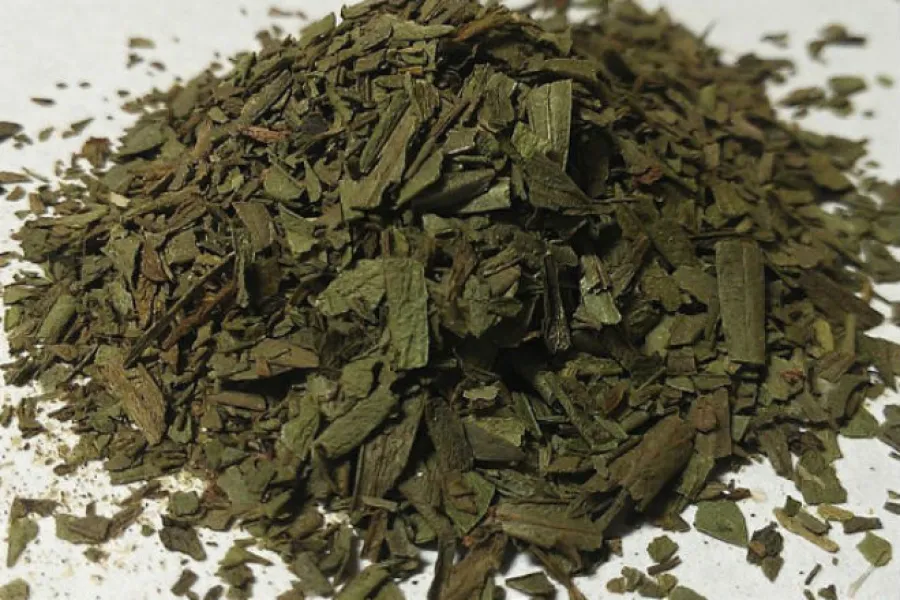
Tarragon is one of the classic herbs of French cooking, adding its sweet, anise-like flavor and aroma to many traditional dishes.
Its name comes from the French estragon and the Latin dracunculus, "little dragon," probably because of its serpentine roots or its supposed ability to cure snake bites.
In the Middle Ages, tarragon was used as a medicinal herb, and travelers put sprigs in their shoes to ward off fatigue.
How to identify tarragon
Tarragon has soft stems and long, narrow, dark green leaves. There are two main types, French and Russian tarragon. French tarragon is more tender and aromatic, with a strong anise flavor. Russian tarragon is coarser, with broader leaves and a much milder, sometimes slightly bitter flavor.
How to use and store tarragon
Tarragon has a distinctive flavor that is easy to recognize in dishes. It is perfect for flavoring vinegar and mustard and very good in marinades and sauces. Tarragon is one of the fines herbes, along with chives, chervil and parsley. Chopped fresh leaves added at the end of cooking go well with fish, chicken and eggs. Tarragon is also used in pickles, especially gherkins, onions, capers and peppers.
Tarragon freezes well, and it can be dried, though it loses some of its flavor.
Cooking with tarragon
Tarragon is the key herb in the famous béarnaise sauce, in creamy tarragon chicken and in these French-style peas.
Cold tarragon chicken for a buffet
1 whole chicken, about 3 pounds, giblets removed
2 sprigs tarragon
1 carrot, peeled and coarsely sliced
1 onion, quartered
1 celery stalk
Salt
Fill a large pot with enough water to cover the chicken, add salt and bring to a boil. Add the tarragon, vegetables and chicken, return to a gentle simmer and cook for about 1 hour, until the chicken is cooked through.
Drain the chicken, let it cool and cut it into pieces, discarding the skin. Serve cold with tarragon vinaigrette.
Tip: Don't throw away the broth; it makes great soups and sauces.
Experiment
For a lemon and herb butter sauce for fried, poached or steamed fish, melt 2 tablespoons butter with the juice of half a lemon and add 1 teaspoon each chopped fresh tarragon, parsley and basil and 1 crushed clove of garlic.
Young leaves of Russian tarragon are good in salads and cooked dishes, and its young shoots can be cooked in early spring like asparagus.