Fresh news
Food in 18th-century art tells the story of a century divided against itself.
In Baroque and Dutch Golden Age art, bread, oysters, fruit, wine and game show wealth, technical mastery and the fragility of earthly pleasure.
Renaissance painters in Italy and northern Europe looked at food with fresh eyes, bringing a new spirit of observation to markets, kitchens and tables.
In early Christian, Byzantine and medieval art, artists used bread, wine, fish and fruit to speak a spiritual language rather than to show appetite.
Food in ancient art carries meaning beyond the meal: bread, beer, fish, fruit and wine in the art of Mesopotamia, Egypt, Greece and Rome.
How food appears in prehistoric art, from cave paintings of hunted animals to carved figures, and what these images reveal about early human life.
Food in Mauritius is diverse, flavorful street snacks and traditional dishes are shaped by rich cultural influences across the island.
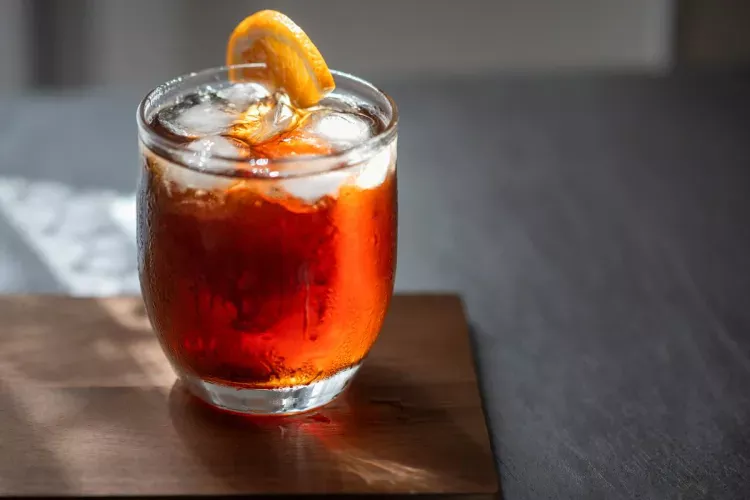
Vermouth explained: the dry French and sweet Italian styles, how vermouth is made, how to store it and how to use it in classic cocktails.