
Food in Eswatini
A guide to traditional Swazi cuisine and local dishes.
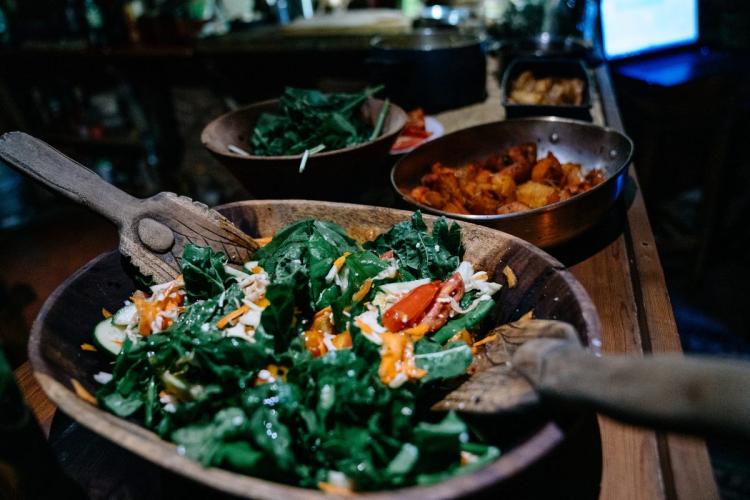
What is food in Eswatini and why it matters
Food in Eswatini is traditional African cuisine from the Kingdom of Eswatini (formerly known as Swaziland), featuring maize-based dishes, fermented milk, and communal eating customs that bring families together. This small landlocked country in Southern Africa has kept its food traditions alive for hundreds of years, creating a unique culinary experience that’s both simple and deeply meaningful.
In this guide, you’ll discover traditional dishes like thick porridge and sour milk, learn about cooking methods passed down through generations, understand the cultural significance of sharing meals, and find out where to try authentic Swazi food. Whether you’re a traveler planning a visit, a food enthusiast curious about African cuisine, or someone wanting to understand Eswatini’s rich cultural heritage, this complete guide will help you appreciate why food matters so much in Swazi culture.
Understanding Eswatini Cuisine
Eswatini cuisine, also commonly written eSwatini, is traditional African food based on maize meal, sorghum, and local ingredients that grow well in this landlocked country. Think of it like comfort food that’s been perfected over centuries - simple ingredients prepared in ways that bring people together and provide good nutrition.
Key dishes you’ll encounter include:
- Pap (lipalishi): Thick porridge made from ground maize - the most important staple food
- Emasi: Fermented milk that tastes sour but is packed with good bacteria
- Tjwala: Traditional beer made from fermented grains
- Braai: Barbecue cooking method popular throughout Southern Africa
The difference between everyday food and ceremonial dishes is important in Swazi culture. Daily meals are usually simple porridge with vegetables, while special occasions feature goat meat and traditional beer.
Cultural food relationships
Eswatini food connects closely to South African cuisine because of their shared border and similar ingredients. However, Swazi dishes tend to be milder in flavor and more focused on maize meal than their neighbors. The country’s food also shares similarities with Mozambican cuisine due to geographic location.
In Swazi culture, food represents more than nutrition, it’s about community, respect, and hospitality. When people gather for meals, they’re strengthening family bonds and cultural traditions. The connection between seasonal foods and traditional festivals is especially strong, like during the Buganu Festival when marula fruits are harvested to make traditional beer.

Why Eswatini food is important in African cuisine
Food in Eswatini carries deep cultural value because it represents community, tradition, and the legendary Swazi hospitality. In this absolute monarchy ruled by King Mswati III, sharing meals is a common practice that shows respect and builds relationships between the Swazi people.
The economic importance of traditional foods supports local communities, especially in rural areas where subsistence farming is still the main way people feed their families. Traditional dishes made from locally grown ingredients like maize meal, sweet potatoes, and pumpkin leaves help families save money while eating nutritious food.
Nutritionally, traditional Swazi foods offer excellent benefits. Maize porridge provides steady energy, fermented milk supports digestive health, and indigenous vegetables supply essential vitamins. According to food security reports, over 60% of rural households practice subsistence farming focused on these nutritious staple foods, with maize-derived foods providing up to 80% of daily energy intake for many families.
Popular Eswatini dishes Comparison Table
| Dish | Difficulty to Find | Main Ingredients | Cultural Significance |
|---|---|---|---|
| Pap (Thick Porridge) | Very Easy | Ground maize, water | Daily staple eaten at most meals |
| Emasi (Sour Milk) | Easy | Fermented milk | Traditional dairy product, symbol of hospitality |
| Chicken Dust | Medium | Chicken, spices, vegetables | Popular comfort food, special occasion dish |
| Mealie Bread | Easy | Maize meal, baking powder | Common side dish, similar to cornbread |
| Pumpkin Mash | Easy | Pumpkin, mealie meal | Nutritious vegetable dish, harvest season food |
| Goat Meat | Hard | Goat, traditional spices | Reserved for ceremonies and celebrations |
Guide to experiencing Eswatini foods
Exploring the food of Eswatini offers a delicious journey into the heart of Swazi culture. From staple dishes enjoyed daily to special ceremonial meals, each bite tells a story of tradition, community, and local flavors. This section guides you through the best ways to taste authentic Eswatini cuisine, understand its cultural significance, and avoid common pitfalls as you savor the unique flavors of this small but vibrant Southern African kingdom.
Start with staple foods
Begin your food journey with pap (thick porridge) and emasi (sour milk) - these foundation dishes are available everywhere from local markets to street vendors to family homes. Pap tastes mild and filling, similar to polenta, while emasi has a tangy flavor like Greek yogurt but thicker.
You can find these basics at any local market for just a few dollars. Don’t be surprised if vendors offer you a taste before buying - this is normal Swazi hospitality. The texture of pap might seem unusual at first since it’s thicker than regular porridge, but locals eat it with their hands or spoons.
Try traditional main dishes
Sample popular dishes like pumpkin pap, chicken dust, and boiled meat dishes that represent the heart of Eswatini cuisine. These flavorful dishes combine the mild base of maize meal with vegetables and occasionally meat to create satisfying meals.
The best places to find authentic versions are in rural areas, traditional restaurants in Mbabane, and cultural centers that demonstrate traditional cooking. When eating these dishes, follow local customs by washing your hands first and sharing from communal plates when offered.
Experience drinks and seasonal foods
Try traditional drinks like tjwala (local beer) during cultural festivals and emahewu (fermented porridge drink) available year-round. If you visit during marula season (February-April), you might experience buganu, a special traditional beer made from marula fruits.
Visit during cultural festivals to experience ceremonial foods and see how important sharing meals is in Swazi culture. Always ask permission before joining communal eating experiences, and show respect by participating fully in the meal rather than just observing.
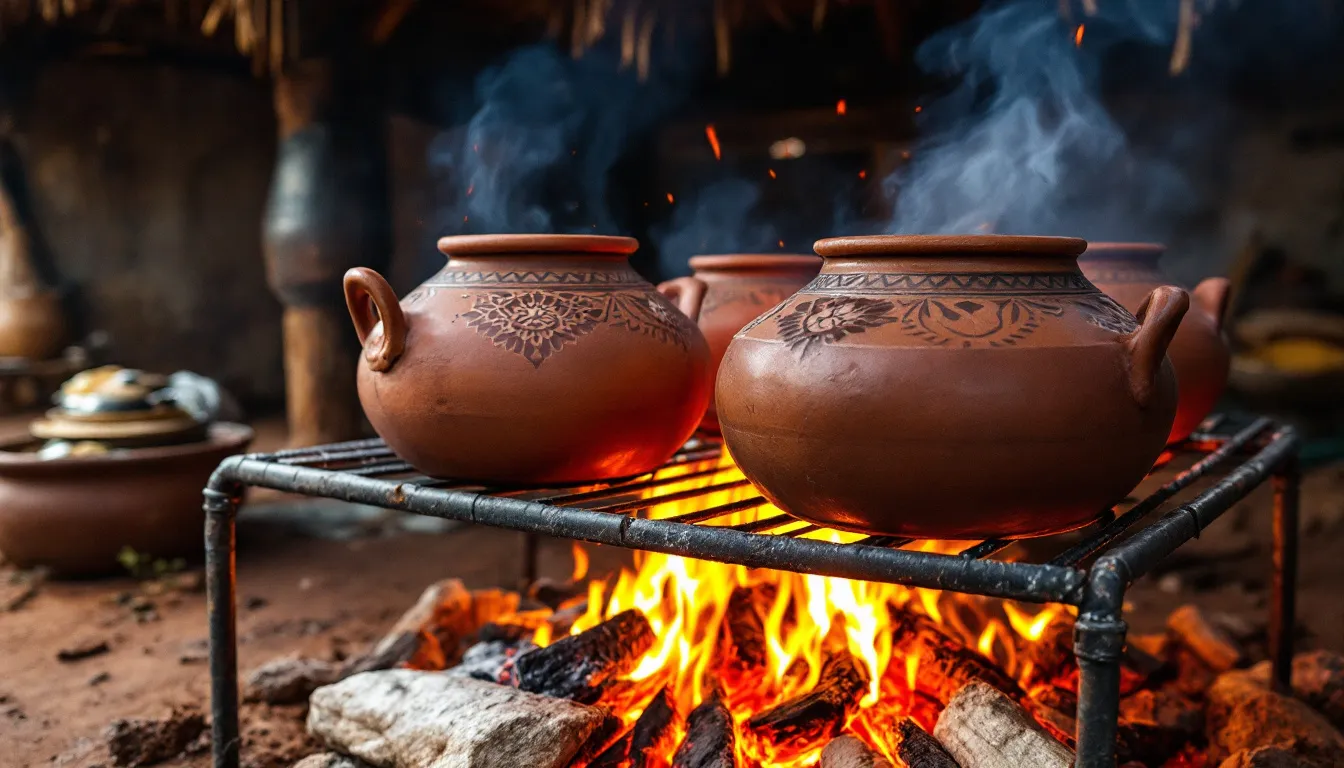
Common Mistakes to Avoid When Trying Eswatini Food
Expecting spicy food - Most traditional Eswatini food is mild with subtle flavors, unlike some other African cuisines that use lots of hot spices. The focus is on natural ingredient flavors rather than added heat.
Eating alone - Food is meant to be shared in Swazi culture. If someone invites you to eat, they expect you to sit down and share the meal properly, not grab food and leave quickly.
Avoiding fermented foods like emasi due to unfamiliarity - These foods are safe to eat and offer great health benefits, but they might taste different from what you’re used to.
Pro Tip: Show respect for food customs by accepting offered food graciously, eating with your right hand when using hands, and complimenting the cook. Learning a few words in siSwati like “ngiyabonga” (thank you) will make locals very happy.
Real-life food experience in Eswatini
Spending a week exploring Eswatini food culture from the capital Mbabane to rural homesteads is worth it. Even when you arrive with limited knowledge of local cuisine, worried about trying unfamiliar foods and unsure about cultural eating customs, it is easy to blend in.
Market visits: Spend mornings at local markets trying samples of mealie bread, dried fruits, and traditional vegetables.
Home-cooking experiences: Trey to stay with a Swazi family who can teach you to make pap and cook pumpkin leaves.
Festival attendance: Participate in a community celebration featuring goat meat and traditional beer.
You may end knowing how to prepare 6-8 traditional dishes, understanding the cultural significance of communal eating, and gaining confidence trying new foods. The total food cost per day is usually cheap (by western standards) for generous portions that often included sharing with new friends.
Food is never just about eating in Eswatini, it’s about building relationships, showing respect, and participating in community life.
Eswatini Food is not only about eating
Understanding food in Eswatini means appreciating five important aspects: its deep cultural significance in bringing people together, the incredible affordability that makes it accessible to everyone, the communal nature that emphasizes sharing over individual eating, the nutritional value of traditional ingredients like maize meal and fermented milk, and the accessibility of these foods throughout the country.
Your next step should be to visit local markets if you’re traveling to Eswatini, try cooking a simple dish like pap at home to understand the basics, or plan a cultural food tour that includes both urban restaurants and rural homestead experiences.
Remember that experiencing Eswatini food is really about experiencing Swazi culture and the warmth of its people. When you share a meal in this last absolute monarchy in Africa, you’re participating in traditions that have connected families and communities for centuries.
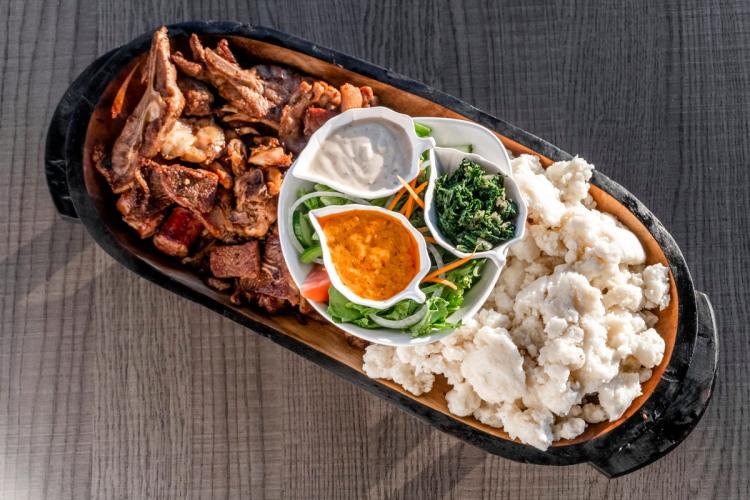
Is Eswatini food vegetarian-friendly?
Yes! Many traditional dishes like pumpkin leaves, bean stews, and maize porridge are completely plant-based. Meat is actually less commonly consumed due to cost, so vegetables and grains dominate most meals.
How much does traditional food cost in Eswatini?
Very affordable - basic meals cost $2-4 USD with generous portions. Street food and market meals are even cheaper at $1-2 USD per serving.
Can tourists safely drink traditional beer and fermented drinks?
Yes, but start with small amounts since your digestive system might not be used to fermented beverages. The alcohol content is usually mild, but the flavors can be quite different.
What’s the best time to visit for food experiences?
February-April for marula season when you can try special seasonal foods, or during cultural festivals like Incwala when ceremonial dishes are prepared.
Do I need special preparation to eat traditional Eswatini food?
No special preparation needed! Just bring an open mind, empty stomach, and willingness to try new flavors and textures.