Guide to functional coffees and teas
Beyond the buzz.
We all have that morning ritual. Maybe it's the whir of the grinder, the hiss of the kettle, or the comforting warmth of a ceramic mug in your hands. For centuries, coffee and tea have been our wake-up calls, our midday pick-me-ups, and our excuses to gather with friends. But recently, these humble beverages have undergone a transformation. They aren't just vehicles for caffeine anymore; they are becoming "functional."
You might have seen them on supermarket shelves or trendy café menus; coffees infused with mushrooms, teas promising better sleep, or lattes claiming to boost your brainpower. This is the world of functional beverages. It’s a rapidly growing movement where the goal isn't just hydration or energy, but specific health benefits. From reducing stress to improving gut health, these drinks are blurring the line between food and medicine.
If you are curious about upgrading your morning cup, you are in the right place. Let’s explore what makes these drinks "functional" and how they might fit into your wellness routine.
What are functional coffees?
Coffee is naturally functional, it contains caffeine for alertness and antioxidants for cellular health. However, the term "functional coffee" usually refers to coffee that has been fortified with additional ingredients designed to provide extra health benefits.
Think of it as your standard brew, but supercharged. The base is still the coffee bean you know and love, but it acts as a delivery system for other nutrients.
Key ingredients in functional coffee
The most common additives you will find include:
- Adaptogens: These are herbs and mushrooms (like Ashwagandha or Reishi) that help the body handle stress.
- Nootropics: Substances claimed to improve cognitive function, particularly executive functions, memory, creativity, or motivation. L-Theanine is a popular choice here.
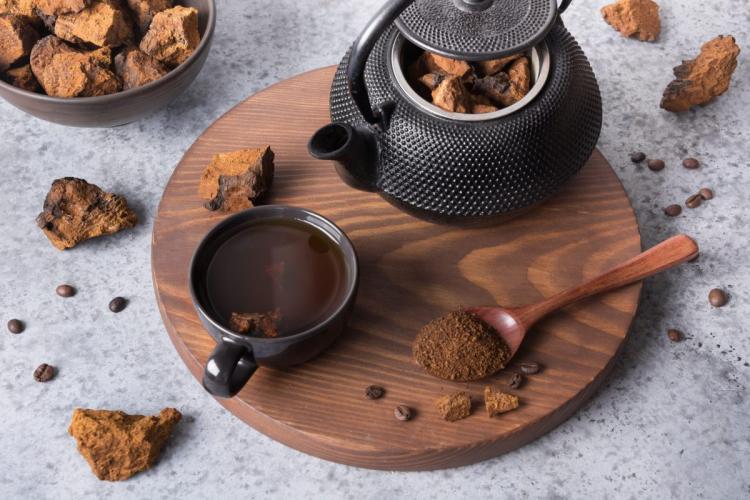
- Medicinal mushrooms: Varieties like Lion’s Mane (for focus) and Chaga (for immunity) are frequently blended with ground coffee.
- Collagen: Often added to support skin, hair, and joint health.
- MCT Oil: A type of fat usually derived from coconut oil, popular in the keto community for sustained energy.

Exploring functional teas
Is there such a thing as functional tea? Absolutely. In fact, tea has arguably been "functional" for thousands of years, long before marketing teams invented the term. Traditional Chinese Medicine and Ayurveda have used tea blends for ailments ranging from indigestion to insomnia for millennia.
Today, the category has expanded beyond traditional herbal remedies into scientifically formulated blends.
Types of functional teas
- Green tea (Matcha): Already a powerhouse of antioxidants called catechins, functional versions might be enhanced with probiotics for gut health.
- Herbal blends: These are naturally caffeine-free and often target specific needs. Chamomile and Valerian root are the heavy hitters for sleep, while ginger and peppermint rule the digestive aid category.
- Kombucha: A fermented tea that is rich in probiotics, supporting the microbiome.
- Yerba mate: A South American tea that provides a unique energy boost, often described as the strength of coffee, the health benefits of tea, and the euphoria of chocolate.
Functional hot chocolate
Functional hot chocolates are also a growing trend.
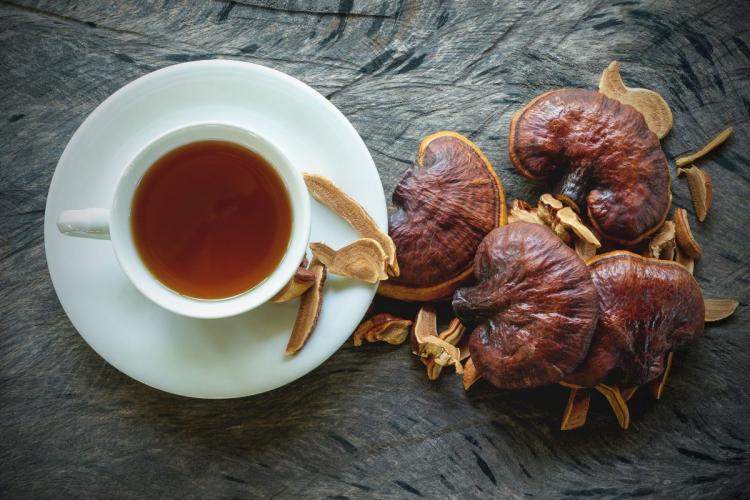
Mushroom-infused hot chocolate: These blends include functional mushrooms like maitake, lion's mane, cordyceps, and chaga, offering potential benefits for focus, immunity, and overall wellness.
Botanical hot chocolate: Some hot chocolates are crafted with botanicals like black cohosh, designed to address specific health needs, such as easing menopause symptoms.
Sleep and stress blends: Functional hot chocolates are also available with ingredients aimed at promoting relaxation and better sleep, often using fair trade cacao and clinically-proven active ingredients.
Vegan and guilt-free options: Many functional hot chocolates are made with natural sweeteners like coconut sugar and rich cacao, providing a luxurious yet health-conscious treat.
The benefits of functional sips
Why are people swapping their standard roast for a mushroom blend? The answer lies in the targeted effects. By stacking ingredients, these beverages aim to solve modern problems like burnout, brain fog, and fatigue.
Enhanced focus and cognitive function
This is the biggest driver for functional coffee. While caffeine stimulates the nervous system, adding Lion’s mane mushroom or L-theanine can help smooth out the jitters. L-theanine, specifically, is an amino acid found in tea leaves that promotes relaxation without drowsiness. When paired with caffeine, it creates a state of "calm alertness," perfect for powering through a spreadsheet or a creative project.
Boosted immune system
With health at the forefront of everyone's minds, immunity-boosting blends are surging in popularity. Ingredients like Chaga mushrooms, turmeric, and elderberry are rich in antioxidants and anti-inflammatory compounds. Sipping these regularly is seen by many as a tasty insurance policy during flu season.
Stress reduction and relaxation
It seems counterintuitive to drink coffee to relax, but that’s where adaptogens come in. Ashwagandha and Tulsi (Holy Basil) help regulate cortisol, the body's stress hormone. A functional latte infused with these herbs aims to provide energy without the anxiety spike that sometimes accompanies a strong espresso.
Improved physical performance
For the fitness enthusiasts, functional beverages can act as a pre-workout. Cordyceps mushrooms are believed to improve oxygen utilization in the body, potentially boosting endurance. MCT oil provides a rapid source of fuel, which is why "Bulletproof coffee" became a staple for endurance athletes and biohackers.
How to choose the right functional beverage
Walking down the beverage aisle can be overwhelming. Here is how to navigate the labels to find what works for you.
Understand the ingredients
Don't just look at the bold claims on the front of the package. Turn it over and read the ingredient list. If a coffee claims to be a "Brain Booster," look for Lion’s Mane or L-Theanine. If it promises "Inner Calm," check for Ashwagandha or Magnesium. Know what you are putting in your body.
Tailoring your cup to your body
Bio-individuality is key to functional nutrition. What works for your friend might not work for you, so it is important to consider your specific health profile.
- Caffeine sensitivity: If you are prone to anxiety or jitters, high-octane coffees may backfire. Stick to naturally caffeine-free herbal blends or mushroom elixirs (like Chaga or Reishi) that provide focus without the spike.
- Digestive health: High-acid coffee can aggravate sensitive stomachs. If you experience acidity, swap the espresso for a soothing tea blend featuring ginger or licorice root.
- Blood pressure & interactions: "Natural" doesn't always mean neutral. For example, while licorice root is great for digestion, it can actually raise blood pressure. If you have hypertension or are on medication, treat these ingredients like supplements: consult your doctor before making them a daily habit.
Watch out for additives
Some functional beverages, especially the ready-to-drink canned varieties, can be Trojan horses for sugar. You want the medicinal benefits, not a glucose spike. Look for unsweetened versions or those sweetened with natural alternatives like stevia or monk fruit. Also, be wary of "proprietary blends" where the exact amount of the active ingredient isn't listed, you might be getting a dusting of mushrooms rather than a functional dose.

Incorporating functional beverages into your routine
You don't need to overhaul your entire diet to see benefits. Small swaps can make a difference. It is easier than you would think as many coffe shops have started to sell functional beverages, adding the chosen supplement for an extra charge.
Best times to consume
- Morning: Stick to the caffeinated blends (coffee with MCT oil or Lion's Mane) to kickstart your brain.
- Afternoon: This is the slump zone. A Matcha latte or a Yerba Mate can provide a lift without the crash associated with sugary snacks.
- Evening: Switch to "down-regulating" drinks. A Turmeric latte (Golden Milk) or a tea with Valerian root signals to your body that the day is done.
Potential side effects
While natural, herbs and mushrooms are potent. Start with a small amount to see how your digestion reacts, especially with MCT oil, which can be hard on the stomach initially.
If you are pregnant, nursing, or on medication, always consult your doctor before adding adaptogens to your diet.
Serving suggestions
You can buy pre-mixed powders, or you can be your own barista.
- The DIY focus latte: Brew your favorite coffee. Add a teaspoon of Lion's Mane powder and a dash of oat milk. Blend until frothy.
- The golden nightcap: Warm up almond milk. Whisk in turmeric, ginger, cinnamon, and a crack of black pepper (essential for absorbing turmeric). Sweeten with a little honey.
Global trends and the South African connection
Functional beverages aren't just a Silicon Valley trend; they are deeply rooted in global cultures. South Africa, specifically, offers a prime example of a functional tea that has gone global: Rooibos.
Grown only in the Cederberg region of the Western Cape, Rooibos (Red Bush) tea is naturally caffeine-free and incredibly high in antioxidants, particularly aspalathin. In South Africa, it is more than just a drink; it's a cultural staple given to everyone from colicky babies to the elderly.
Today, Rooibos is being recognized globally as a functional super-tea. It is used for heart health, skin care, and even allergy relief. It serves as a reminder that while "functional beverages" feels like a new buzzword, the wisdom of using plants to heal and nourish is as old as humanity itself. Whether you are in Seattle or Cape Town, the desire to nourish the body through a comforting cup is universal.
Sip your way to wellness
The world of functional coffees and teas is an exciting frontier in nutrition. It invites us to ask more of our daily habits. It transforms a mindless caffeine fix into a moment of nourishment.
Whether you are looking to sharpen your mind for a big presentation, calm your nerves after a chaotic day, or simply support your overall immune health, there is likely a brew out there for you. The key is to experiment, listen to your body, and enjoy the process. After all, the most important function of a cup of coffee or tea is the joy it brings you.
So go ahead, explore the aisles, try that mushroom blend, or steep some Rooibos. Your body (and your tastebuds) might just thank you.