
The magic of wine in China
The ultimate guide to wine in China: Regions and history.
When we think of grand wine traditions, our minds often wander to the rolling hills of Tuscany, the historic chateaus of Bordeaux, or the sun-drenched valleys of California. Yet, a vibrant and dynamic wine culture is flourishing in a place many wine lovers are just beginning to explore. China is rapidly transforming into a fascinating destination for wine enthusiasts, offering a blend of ancient history and cutting-edge viticulture.
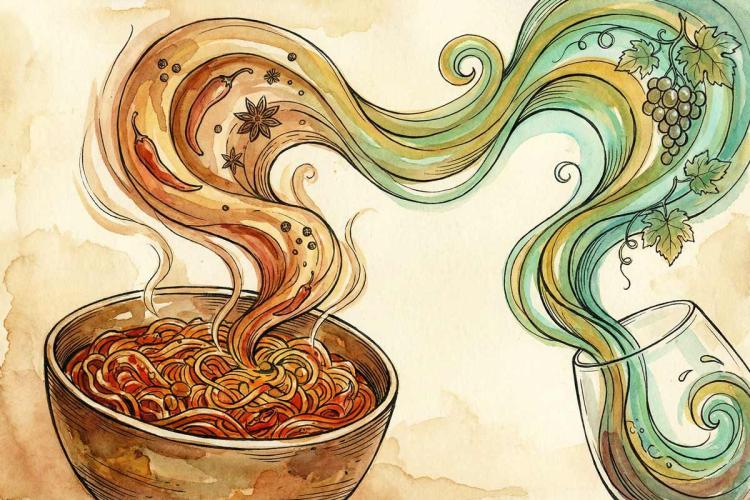
For passionate cooks and avid travelers, understanding the Chinese wine landscape opens up a whole new world of culinary possibilities. Pairing a perfectly roasted Peking duck with a bold local red, or sipping a crisp white alongside delicate dim sum, brings a fresh dimension to your dining table. The country's massive geographical diversity provides the perfect canvas for a wide array of wine styles, each telling a unique story about its terroir.
This guide will take you on a journey through the vineyards of China. You will learn about the deep historical roots of Chinese winemaking, explore the top producing regions, and discover the unique grape varietals that define the modern market. By the end of this read, you will be ready to impress your friends at your next dinner party with your knowledge of one of the world's most intriguing wine frontiers.
Tracing the ancient roots of Chinese wine
Winemaking in China is not a recent phenomenon. In fact, archaeological discoveries have completely rewritten the timeline of global wine history. Researchers analyzing pottery jars found in the Neolithic village of Jiahu discovered traces of a fermented beverage dating back roughly 9,000 years. This ancient concoction was a mix of wild grapes, hawthorn, rice, and honey, proving that the people of ancient China were among the world's first vintners.
As dynasties rose and fell, the cultivation of grapes continued, though they were primarily enjoyed as fresh fruit or dried into raisins. For centuries, traditional alcoholic beverages like sake-style rice wines and potent spirits took center stage in Chinese culture. Grape wine remained a niche product, often reserved for royalty or special occasions.
The modern era of Chinese wine truly began to take shape in the late 19th and 20th centuries. With the introduction of European grape varieties and modern winemaking techniques, pioneers started to lay the groundwork for the industry we see today. The transition from sweet, medicinal wines to the dry, sophisticated styles enjoyed globally marked a significant turning point, setting the stage for China's current viticultural renaissance.
Exploring the key wine-producing regions in China
China's immense size means that its wine regions experience wildly different climates and soil types. This diversity allows winemakers to experiment and find the perfect conditions for various grape varieties.
Shandong province and the coastal pioneers
Located on the eastern coast, Shandong is one of the most historically significant wine regions in the country. The maritime climate here provides a moderate environment that helps vines thrive. This region is home to the Huadong Winery, established in 1985. Founded with the help of British merchants, Huadong was a trailblazer in bringing European grape varieties like Chardonnay, Riesling, and Cabernet Sauvignon to Chinese soil. Their early efforts helped prove that China could produce wines capable of standing alongside international competitors.
Hebei province and the Great Wall legacy
Just a short trip from Beijing, Hebei province holds a special place in the modern history of Chinese wine. The region is famously home to the HuaXia Winery, which played a massive role in popularizing wine across the nation. This area is responsible for creating the Great Wall Red wine, a brand that developed China's first bottle of dry red wine in 1983. Great Wall also pioneered the country's first dry white and traditional method sparkling wines. The terroir in areas like Changli and Huailai County provides excellent drainage and ample sunlight, making it a reliable powerhouse for large-scale production.
Emerging regions with incredible potential
While the coastal areas have the history, the inland regions are currently capturing the attention of wine critics worldwide.
Ningxia, nestled at the edge of the Gobi Desert and protected by the Helan Mountains, is often hailed as the crown jewel of modern Chinese wine. The arid climate, high altitude, and intense sunlight produce grapes with incredible concentration and complexity. Wines from Ningxia consistently win medals at international competitions, drawing comparisons to top Bordeaux blends.
Xinjiang, located in the far northwest, is an ancient yet young winemaking region. Known for centuries for its sweet table grapes, the area is now producing vibrant, fruit-forward wines. Meanwhile, the high-altitude vineyards of Yunnan in the southwest offer a completely different profile. Here, winemakers are crafting elegant, terroir-driven wines in the shadow of the Himalayas, proving that Chinese viticulture knows no bounds.
Grape varietals cultivated across the country
The story of Chinese wine is told through the grapes that grow in its diverse soils. Winemakers are successfully blending familiar international favorites with unique local stars.
International favorites finding a new home
Walk through almost any major vineyard in China, and you will find Cabernet Sauvignon. This robust red grape has become the backbone of the Chinese wine industry, particularly in Ningxia and Hebei, where it produces structured, age-worthy wines. Chardonnay and Riesling are also widely planted, yielding crisp, refreshing whites that pair beautifully with the complex flavors of Asian cuisine. Merlot and Pinot Noir are gaining traction as well, offering softer, more approachable alternatives for local consumers.
Unique local and signature varieties
While international grapes dominate, China is slowly establishing its own signature identity. Marselan, a cross between Cabernet Sauvignon and Grenache originally developed in France, has found its true spiritual home in China. This grape produces deeply colored, aromatic wines with smooth tannins and notes of dark berries and spice. Many experts believe Marselan will become the definitive Chinese wine grape in the coming years.
Another fascinating local variety is the Longyan, or "Dragon Eye" grape. Traditionally grown as a table grape, innovative winemakers are now using it to produce aromatic, slightly floral white wines. Embracing these unique varieties helps Chinese producers stand out in a crowded global market.
Navigating challenges and embracing opportunities
The path to success for the Chinese wine industry is not without its hurdles. The extreme climate in regions like Ningxia and Xinjiang presents a massive challenge. To protect the vines from freezing winter temperatures, workers must manually bury the vines under mounds of dirt each autumn and unearth them in the spring. This "winter burial" technique is incredibly labor-intensive and costly, adding a unique layer of difficulty to the winemaking process.
Market dynamics are also shifting rapidly. Recent data shows that China's wine production has seen a decrease, and imports fell sharply by 21% in early 2025. Economic factors and changing consumer preferences mean that wineries must work harder than ever to capture the attention of a highly discerning public.
However, these challenges breed innovation. The drop in mass-market consumption is making way for a focus on boutique, high-quality production. Domestic consumers are becoming more educated and are increasingly seeking out premium local wines over imported bottles. This shift presents a golden opportunity for dedicated winemakers to showcase their craftsmanship and elevate the overall reputation of Chinese wine.
Looking at the future of Chinese wine on the global stage
The next decade promises to be a thrilling time for the Chinese wine industry. As quality continues to soar, the export potential for these wines is expanding rapidly. High-end restaurants across Europe and North America are beginning to feature bottles from Ningxia and Shandong on their wine lists, eager to offer their guests something genuinely novel.
International recognition is growing, with Chinese wineries consistently taking home top honors at prestigious global wine competitions. This critical acclaim is breaking down old stereotypes and proving that China is a serious player in the fine wine market. As sustainable practices and eco-friendly viticulture become more prevalent, the industry is also aligning itself with the values of modern, conscientious consumers.
A toast to China's unique contribution to the world of wine
The evolution of wine in China is a testament to the country's profound ability to blend ancient traditions with modern innovation. From the 9,000-year-old pottery jars of Jiahu to the state-of-the-art cellars in Ningxia, the journey of Chinese wine is a captivating story of resilience and passion.
As you plan your next dinner menu or dream about future travel destinations, consider adding a bottle of Chinese Marselan or a crisp coastal Riesling to your table. Exploring these distinct, terroir-driven wines will not only enhance your culinary repertoire but also connect you to one of the most exciting movements in the global food and beverage scene. Grab a glass, pour yourself a taste of history, and celebrate the magnificent flavors that this extraordinary country has to offer.
Back to wine in Asia