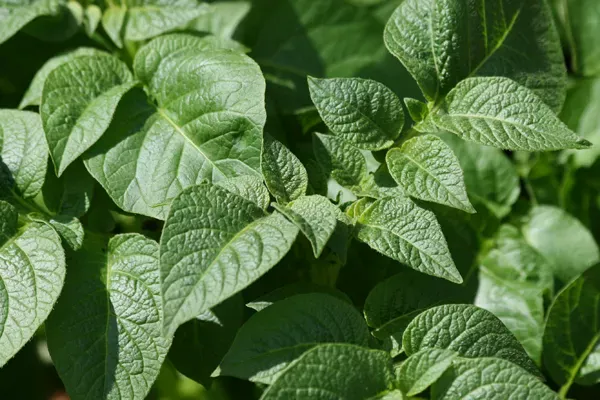
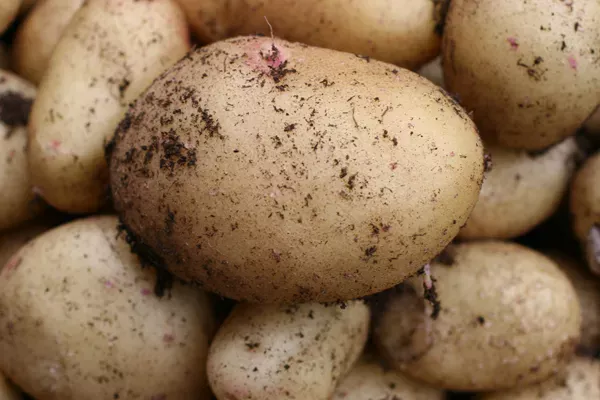
Potatoes are full of starch and carbohydrates to fuel a hard day in the field as it was with the early days of this country.
Boiled potatoes can be mashed or placed into stews and soups. Fried potatoes are eaten for breakfast in some places and lunch all over. The popular French fries are the way most people prefer their potato even though it is not the healthiest of foods.
Picking the right potato
Potatoes grow in the dirt. When choosing a good one, look for any types of spots, blemishes, or nicks. Spots or blemishes indicate that there may be a problem with the potato. Nicks can introduce bacteria and bugs into the flesh of the vegetable.
The flesh should be creamy and the skin light brown to red - there are potatoes with very dark, almost black skin - depending on the variety. The flesh turns green when potatoes are exposed to light. The green areas should not be eaten, as the greening is a sign of higher levels of solanine, a natural toxin that concentrates near the skin and in sprouts. Cut away green patches and sprouts generously, and throw out potatoes that are very green or taste bitter.
Potato trivia
There is more than one type of potato. We have white potatoes, russet potatoes, red-skinned potatoes, yellow potatoes, and even blue potatoes. Potatoes are mainly prepared in one of four ways: baked, fried, boiled, or mashed.
Nutritional value
A potato provides vitamin C, potassium, vitamin B6, some protein and iron, and dietary fiber, especially in the skin. Although they have fewer calories than the same weight of bread, potatoes are often shunned by people on diets. They rank high on the glycemic index, a measure of how quickly a food raises blood sugar, so they can make blood sugar spike, especially when eaten on their own. Eating too much starch can fatten you up sooner than you think.
Storage
Store potatoes in a cool, dark, dry and well-ventilated place, ideally around 45 to 50°F (7 to 10°C), but not in the refrigerator, where their starch turns to sugar, and not next to onions. Don’t forget about them, though: if you do, they will start to sprout long, thin shoots from the “eyes.” Potatoes that have sprouted are past their best, and next they will shrivel until they are completely unusable.
Raw potatoes do not freeze well. Potatoes that have been cooked or used as an ingredient for another recipe are easier to freeze, but the only way to freeze potatoes without any problems is when they are mashed or pureed.
Preparation and cooking
Be sure to scrub potatoes well before cooking, as dirt can stick to them. A vegetable peeler removes the skin with the least amount of vegetable attached. You would not be the first one to slice a potato with a knife before and cut away half the potato. It isn't a pretty sight. Potatoes are not eaten raw; they are starchy and hard to digest.
Potatoes add weight to your cooking dishes. For instance, a breakfast casserole with potatoes, eggs, and cheese is more filling than a meal with eggs alone. You may prepare your potato any way you want, and it is still good. They are great additions to any meat dish, soup, or breakfast casserole.
How to boil potatoes: Peel the potatoes, cut them into even chunks and place them in a pot. Add cold water to cover and a little salt. Cover the pot and bring to a boil over high heat. Reduce the heat to medium-low and simmer for 15 to 20 minutes, until tender when pierced with a knife. Drain and serve.
How to bake a potato with foil: Clean your potatoes with brush and water. Poke each potato with a fork several times. Wrap them in foil and bake in a 350°F oven for about 75 minutes, until soft. Remove the foil from any leftovers and refrigerate them promptly.
How to bake a potato without foil: You don’t actually need foil to bake a potato, but because the skins tend to dry in the baking process, you can brush them with oil. To start, scrub your potatoes with a brush and water. Poke each potato with a fork several times. Brush lightly with olive oil and place them directly on the middle rack of a 350°F oven. Make sure you place a pan or something under them to catch the oil drippings. Bake for about 75 minutes.
They do not need much. Simply boiled or steamed in their skins, left to cool and served with mayonnaise or other cold sauces or dressing, potatoes make a great simple supper.
Herbs and spices to use with potatoes: basil, caraway seed, cayenne, celery seed, chervil or chives, especially in salads, dill, fennel, horseradish, marjoram, mint, oregano, paprika, parsley, rosemary, savory, tarragon.