
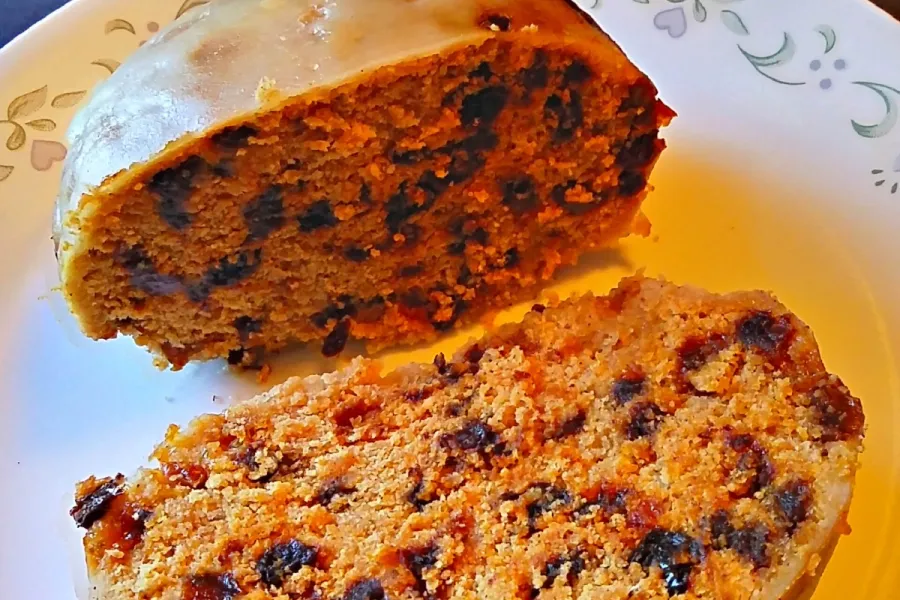
A rich, dark cake, heavy with dried fruits like sultanas and currants, and warmed by the gentle heat of cinnamon, nutmeg, and ginger. Traditionally made for birthdays, holidays, and celebrations.
Ingredients
Instructions
Prepare the "cloot"
Bring a very large pot of water to a rolling boil—it needs to be big enough to completely submerge the dumpling. Dip your cloth into the boiling water (use tongs to be safe!), then carefully lift it out and wring out the excess water. Lay the hot, damp cloth flat on your work surface and sprinkle it generously with an even layer of all-purpose flour. This step is vital as it creates the famous "skin" on the dumpling.
Mix the dumpling batter
In a large mixing bowl, combine all the dry ingredients: flour, cornmeal, suet, brown sugar, all the dried fruits, spices, and baking soda. Use your hands to rub the suet into the flour mixture until it is well distributed.
Combine wet and dry
In a separate small bowl, whisk together the egg, milk (or buttermilk), and black treacle (molasses). Pour this wet mixture into the dry ingredients. Mix with a wooden spoon until you have a soft, sticky, and well-combined dough.
Wrap the dumpling
Place the dough into the center of your prepared, floured cloth. Gather the corners of the cloth and tie it tightly at the top with kitchen twine, leaving a little room for the dumpling to expand as it cooks. There should be about an inch or two of space between the twine and the dough.
Boil the dumpling
Place an inverted saucer or a small trivet at the bottom of your pot of boiling water. This prevents the dumpling from touching the bottom and scorching. Gently lower the wrapped dumpling into the boiling water, ensuring it is fully submerged. Cover the pot and let it simmer gently for 3 to 4 hours. Keep a kettle of hot water nearby to top up the pot as needed, making sure the dumpling stays covered in water throughout the cooking process.
Dry and form the skin
Carefully lift the dumpling out of the water. Place it in a colander in the sink and untie the cloth. Gently peel back the cloth to reveal the steamed pudding. The surface will be pale and damp. Now for the magic: place the unwrapped dumpling on a plate and put it in a preheated oven at 300°F (150°C) for 15-20 minutes, or simply leave it in a warm, dry place. This step dries the surface, creating the classic, slightly chewy skin.
Serve
Serve the clootie dumpling warm in thick slices.
Notes
You will need a large square of unbleached muslin, cotton, or a clean pillowcase (at least 20x20 inches) for the "cloot" (cloth). A new, clean, and un-dyed dish towel or pillowcase works perfectly. Just be sure to boil it in water first to remove any manufacturing residue. After use, wash it thoroughly and save it as your dedicated "clootie."
A clootie dumpling is traditionally served with a splash of whisky, a dollop of clotted cream, or a drizzle of custard.
Leftover clootie dumpling is a true treat! Slices can be pan-fried in butter until golden and caramelized, then served with bacon and eggs for a hearty Scottish breakfast.
Variations
For an extra layer of flavor, soak the dried fruits in 1/4 cup of whisky or dark rum for an hour before adding them to the batter.
For a vegetarian version, substitute beef suet with the same amount of cold, grated vegetable shortening. You can also use vegetable shortening as a substitute if beef suet is unavailable.
Feel free to customize the fruit. Chopped dates, glacé cherries, or mixed candied peel all make wonderful additions.
Source
Clootie dumpling is a traditional steamed pudding that’s steeped in history and fragrant with spice. The name itself is a piece of Scottish heritage: a "clootie" is a strip of cloth, which is exactly what this magnificent dessert is boiled in. The process creates a unique, dense, and wonderfully moist fruitcake with a distinctive skin, a hallmark of this dessert.
Food in Europe