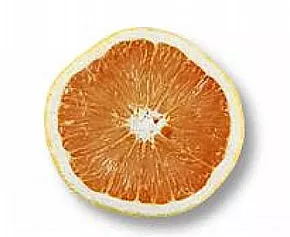
With a powerful pucker-up quality, the grapefruit needs to be fully ripe before enjoying. Not only are grapefruits a great way to start your day at breakfast, they are versatile enough to take you all the way to dessert. Let's look at this refreshing fruit and learn more. Although it is a fairly modern fruit, only given its scientific name in 1830, grapefruit has crossed the line from breakfast fruit to a useful flavor to have around the kitchen.
Tart and tangy, with a sweetness that grabs your taste buds, grapefruit has a loyal following. Although they are generally available throughout the year, grapefruit are at their peak during the winter months. Grapefruits are typically two to three times larger than their orange cousins. The Latin scientific name for grapefruit, Citrus paradisi, means “of paradise.” Grapefruits are categorized as white, pink, or ruby, but their color isn't evident from the outside. The classification reflects the color of their flesh.
Grapefruit beyond breakfast
Grapefruit is one of the newer fruits. It first appeared in Barbados in the 18th century as a natural cross between the sweet orange and the pomelo, and it was first described there as the “forbidden fruit.” Grapefruit trees came to Florida in the early 19th century. The name 'grapefruit' actually came from the way these delicious fruits grow – hanging in clusters, like grapes, from trees. Florida, Texas and California are the main grapefruit-growing states in the US.
Choose grapefruits that feel heavy for their size, a sign of plenty of juice. Grapefruits taste juicier when they're at room temperature rather than cold, so you can keep them on the counter if you plan to eat them within a week of purchase. If you will not be eating them within this time period, store them in the refrigerator crisper where they will keep fresh for about two to three weeks. Grapefruit is a great freshener, just like lemon. Put the peelings down the garbage disposal for deodorizing. The essential oils from grapefruit are also used in many scented products as well as beauty products.
How to use and store grapefruit
Grapefruit is usually served halved, with or without a sprinkle of sugar, or juiced as a healthy way to start your breakfast.
Grapefruit has long been part of weight-loss diets. It doesn't contain any special fat-burning enzymes, but it is low in calories and filling.
It is widely used in sweet or savory salads. Apart from that, grapefruit pulp and peel make an interesting marmalade.
Cooking with grapefruit
Grapefruits are citrus fruit, so you eat them like other citrus fruits. They can be eaten by peeling and separating the segments. You can also slice a grapefruit around the 'equator' and eat it like a bowl, using a serrated spoon to scoop out the sections to eat. You can cut around from top to bottom and continue to cut into wedges, just like other citrus. With the grapefruit, however, you must be sure to avoid eating the white 'pith' as it is very, very bitter. Beyond breakfast and snack time, grapefruit has seen a resurgence in popularity in everything from vinaigrette to grilled meals to desserts.
Substitute lemons or oranges with grapefruit in your recipes and you will be surprised by a very refreshing flavor.
This citrus, that has been familiar as a breakfast staple, is finding all sorts of new ways to make it to the table. Get familiar with this tangy sweet and juicy fruit to expand your culinary experience way beyond the ordinary.
Grapefruit is very popular as a breakfast fruit, either whole or grapefruit juice. It lends itself to a good variety of creations both sweet and savory, like this salad.
Avocado, crab and grapefruit salad
4 avocados
1 pound crab meat, picked through and diced
½ cup pecans
1 cup mayonnaise
2 teaspoons ketchup
dash of Worcestershire sauce
lettuce
1 cup halved grapefruit sections
2 hard-boiled eggs, chopped
black olives
Serves 8.
Procedure
Cut avocados in half and remove their seeds.
Mix together the crab meat with the next 4 ingredients then spoon the mixture into the avocados.
Serve on a bed of lettuce. Use the grapefruit sections as a border and top with the chopped eggs and black olives. Serve right away, or keep refrigerated until serving.
Allergy note: this salad contains shellfish, tree nuts (pecans), eggs and fish (Worcestershire sauce is usually made with anchovies).