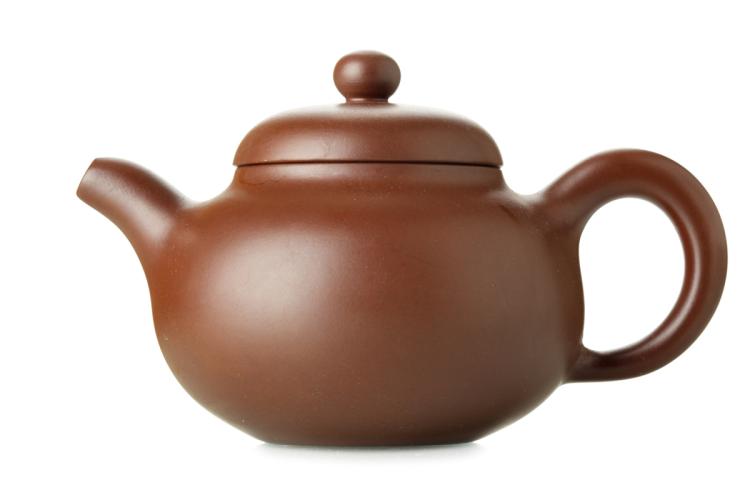
Brewing tea Chinese style
Chinese people have various ways of brewing tea, ranging from simple to ceremonial.
In China, tea isn’t just a drink, it’s a whole culture, with many styles of preparation depending on the type of tea, the occasion, and even the region. Broadly, there are a few main ways Chinese people brew tea.
In general, water temperature is crucial (e.g., green tea at 75–85 °C, oolong and pu-erh hotter, near boiling). Multiple infusions are the norm. Aromatics and leaf quality are highly valued.
Casual or every day brewing
Very popular in offices and homes because it is practical and simple. Used mainy wiht green teas, jasmine tea, chrysanthemum tea, pu-erh.
Method
Simply put tea leaves (or flowers) directly into a cup or glass. Pour hot water, and drink while the leaves float or sink. More water is added as you drink down.
Gaiwan brewing
Allows close appreciation of the leaves, aroma, and liquor. Common for green teas, white teas, delicate oolongs.
Method
A gaiwan (lidded porcelain cup) is filled with loose leaves. Hot water is poured in, and the lid is tilted slightly to strain while drinking directly or pouring into cups.
Gongfu cha
This is considered the skilfull way, It is common for oolong, pu-erh, black teas, but it can be applied to green and white teas. The idea is to appreciate aroma, taste, and changes across infusions.
Method
A small teapot, often a Yixing clay teapot or a gaiwan is used. A lot of tea leaves relative to the size of the pot are added. Short infusions (seconds, not minutes) are repeated multiple times, each giving a different flavor profile.
The tea is poured into a fairness cup (so everyone gets the same strength) and then into tiny tasting cups.
Boiling
It is a traditional way, less common today; used for some traditional teas like pu-erh, or herbal blends.
Method
Tea leaves are simmered in a pot of water, sometimes with spices or herbs. Produces a strong, medicinal brew.
Regional variations
Tibetan tea: Brick tea boiled with butter and salt (yak butter tea).
Cantonese yum cha: Tea served alongside dim sum, usually jasmine, pu-erh, or oolong.
Northwest China: People often drink strong black tea with milk or spices.
Understanding multiple Infusions
"Infusion," "steeping," or "brewing" refers to the process of adding hot water to the tea leaves and letting the flavor and compounds extract into the water. Multiple infusions means reusing the same tea leaves for successive cups of tea. High-quality, whole-leaf teas, especially Oolongs and Pu-erhs, are excellent for multiple infusions, often yielding 4 to over 10 cups.
The taste and properties of the tea change significantly with each infusion. The practice of multiple infusions allows the drinker to experience the full evolution and complexity of the tea's flavor profile.
First Infusion (rinse or wash)
In gongfu cha, this initial, very brief infusion is usually discarded, poured away.
Purpose of the rinse
- Awakening/Opening the Leaves: Especially important for tightly rolled Oolongs or compressed Pu-erh, the hot water helps the leaves start to unfurl and "wake up" for better flavor release in subsequent infusions.
- Warming the Teaware: It's also used to heat the brewing vessel and cups.
- Rinsing Dust/Cleaning: It can wash away any residual dust or impurities from processing.
Second infusion (first proper drink)
This is often considered the best infusion. The leaves are now open and ready to release their full, balanced flavor.
It typically offers a smoother taste and less bitterness compared to a long-steeped first infusion.
Third and fourth infusions
These infusions continue to draw out flavor, often revealing different, more subtle, or complex layers of the tea's profile as the water penetrates deeper into the leaves.
The steeping time is usually increased slightly for each successive infusion to maintain strength.
Subsequent infusions (fifth, sixth, etc.):
The tea becomes progressively lighter, and the steeping time continues to be extended until the leaves run out of flavor.

How to brew a good cup of tea the gonfu way
A guide to making tea the skillfull way, with small teapot and short infusions. The recipient to make the tea can be a teapot (porcelain or clay), a lidded cup (gaiwan) or mug.
Green tea
- Fill 1/5 of the recipient with green tea leaves and pour over water 70ºC - 80ºC temperature.
- First infusion should be 20 seconds and add 5 seconds to every subsequent infusion. Can be infused up to 4 times.
The tea should have a fresh fragance and light green color.
White tea
- Fill 1/2 of the recipient with white tea leaves and pour over water around 85ºC temperature.
- First infusion should be 20 seconds, add 5 seconds to every subsequent infusion. Can be infused up to 4 times.
The tea should have a fragance of honey and light yellow color.
Oolong tea (light fermented)
- Fill 1/3 of the recipient with oolong tea leaves and pour over water around 90ºC temperature.
- First infusion should be 30 seconds, add 5 seconds to every subsequent infusion. Can be infused up to 4 times.
The tea should have a floral fragance and golden yellow color.
Oolong tea (heavy fermented)
- Fill 1/2 of the recipient with oolong tea leaves and pour over water around 95ºC temperature.
- First infusion should be 30 seconds, add 5 seconds to every subsequent infusion. Can be infused up to 4 times.
The tea should have a fruity fragance and deep orange color.
Black tea
- Fill 1/3 of the recipient with black tea and pour over water around 100ºC temperature.
- First infusion should be 30 seconds, add 5 seconds to every subsequent infusion. Can be infused up to 4 times.
The tea should have a mellow fragance and deep brown-red color.
Floral tea (rose, jasmine and similar)
- Fill 1/5 of the recipient with oolong tea leaves and pour over water around 80ºC temperature.
- First infusion should be 30 seconds, add 5 seconds to every subsequent infusion. Can be infused up to 4 times.
The tea should have a floral fragance and yellow color.
If the first infusion is 30 seconds, the second should be 35 seconds and so on.