
The old saying that all wine improves with age is only partly true: most wine is made to be enjoyed young.
Only a small share of wines actually get better with age. The great majority, red, white and rosé, are made to be enjoyed within a year or two of release, while they are fresh and fruity.
What aging wine means today
Most wines today are made to be drunk soon after bottling. Wine experts often point out that people are more likely to drink a wine past its best than too young.
The wines that age well have the structure to do it: plenty of acidity, tannin, concentrated fruit or, in sweet wines, sugar. These act as natural preservatives and give the wine time to develop. Tannins come mainly from grape skins, seeds and oak barrels, and acidity comes from the grapes themselves, especially those grown in cooler climates.
Many winemakers now release wines when they feel they are ready to drink, as most of us want to buy a bottle and open it that night rather than wait years for it to mature in a cellar.
White wine
White wines are usually made with little or no contact with the grape skins, so they contain few tannins. Most are best young. But some whites with high acidity or sweetness can age beautifully for many years, including fine Riesling, Chenin Blanc from the Loire, white Burgundy, Hunter Valley Sémillon and sweet wines such as Sauternes and Tokaji. As they age, their color deepens to gold and their aromas develop notes of honey, nuts and toast.
Most rosé wines are also made to be drunk young.
Red wine
Red wines are made with the grape skins, so they contain more tannins, which can taste harsh and drying in young wines. In wines made to age, such as fine Bordeaux, Barolo, Rioja Gran Reserva or top Cabernet Sauvignon, the tannins slowly soften over the years, and the fresh fruit gives way to more complex aromas of leather, earth, tobacco and dried fruit. The color changes too, from deep purple-red to brick red, and finally to brown once the wine is past its best.
As red wines age, some of the tannins and color pigments form a sediment at the bottom of the bottle. It is a natural sign of a mature wine; stand the bottle upright for a day and decant it carefully to leave the sediment behind. Vintage Port is a classic example of a wine that needs many years in the bottle. Many everyday reds, though, start to fade after three to five years.
Today most of the aging most wines need is done at the winery before they are bottled, so you can pick up a bottle at the store and enjoy it at its best that evening. If you do want to age wine, store it properly: cool, dark and steady. See temperature and humidity for wine storage.
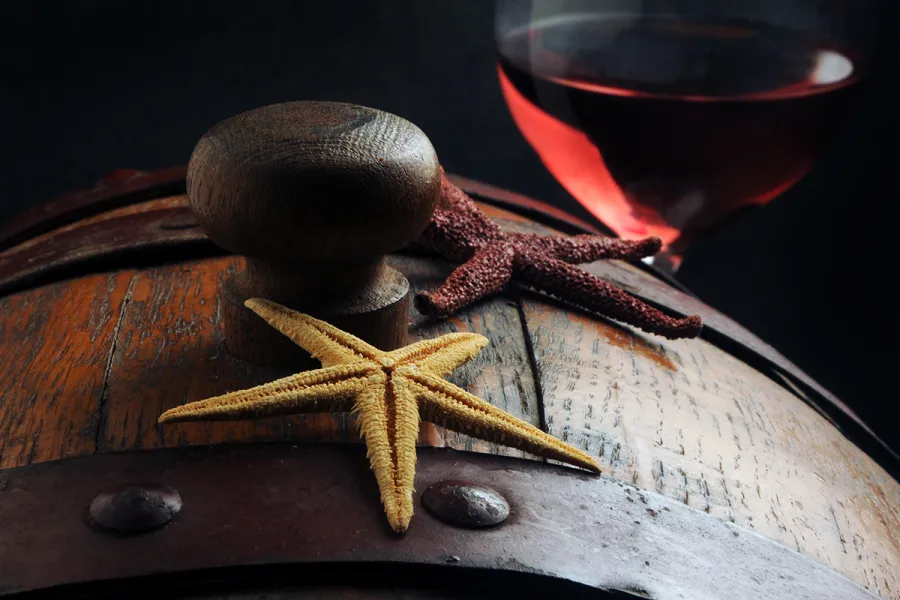
Some wineries have experimented with aging wine underwater, believing that the constant temperature and pressure, darkness and lack of oxygen create unique flavors. There are underwater cellars in several countries, from Europe to South America.
Many fine red and white wines improve with age, but light reds, most rosés and most everyday whites do not. Well-aged wine is smoother and less tannic, with more complex flavors.